Quick answer
An operating lease is a rental agreement where a business uses equipment or vehicles for a period shorter than the asset's useful life, then returns it to the lessor. There's no balloon or residual to pay and no ownership at the end, and servicing is often bundled in. It suits assets that date quickly or that you plan to replace on a regular cycle.
Key points
- The lessor owns the asset throughout and takes it back at the end
- Term is shorter than the asset's useful life, so the lessor carries the resale risk
- Payments are generally tax deductible, and GST is claimed on each payment
- Under AASB 16, entities that apply it show most leases on the balance sheet
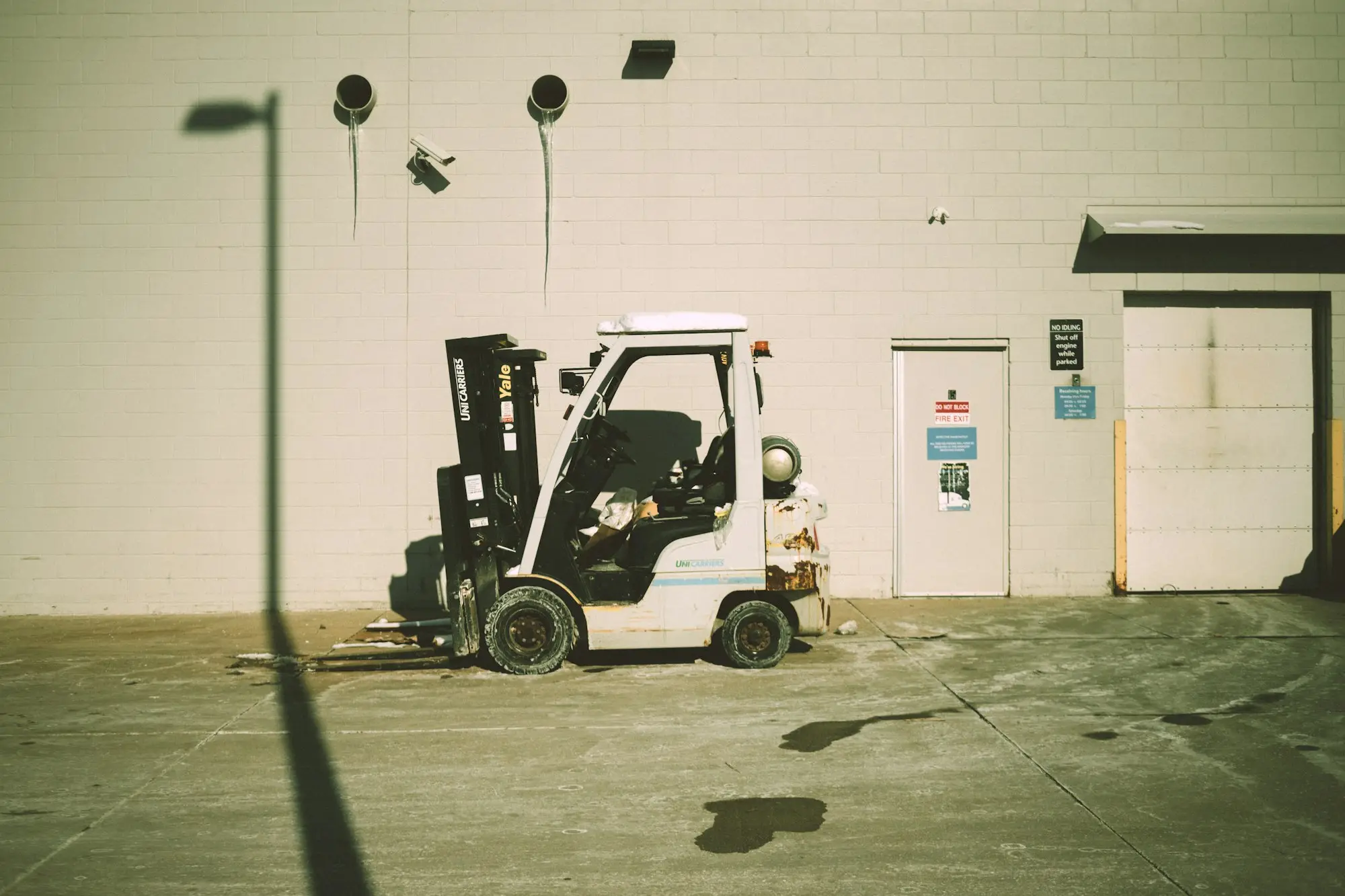
Think of an operating lease as long-term hire. A business takes a forklift, a fleet of utes or a rack of servers for, say, three years, pays a set amount each month, and at the end gives it back. The leasing company, the lessor, keeps ownership the whole time and expects the asset to still be worth something when it returns.
How an operating lease works
The lessor buys the equipment and sets the payments to cover only part of its value, plus its costs and margin. It’s betting that it can sell or re-lease the asset afterwards. Because of that, the term is deliberately shorter than the asset’s working life.
Common features include:
- a fixed term, often two to five years
- set monthly payments that keep running until the term ends, whether or not the gear is still useful to you
- maintenance, servicing or tyres bundled into the payment on many vehicle and equipment leases
- limits on usage, such as annual kilometres or machine hours, with charges for going over
- return conditions covering fair wear and tear
business.gov.au notes that for leased equipment the leasing company is usually responsible for maintenance and repairs, and may require you to use approved repairers.
Operating lease vs finance lease
| Feature | Operating lease | Finance lease |
|---|---|---|
| Term vs asset life | Shorter | Most of the useful life |
| End of term | Return or upgrade | Pay the residual value, refinance or trade in |
| Who carries resale risk | Lessor | Lessee, through the residual |
| Servicing | Often included | Usually your responsibility |
| Best for | Assets that date or need regular replacement | Assets you want to keep |
The full side-by-side is on our finance lease vs operating lease page.
Tax, GST and the balance sheet
Lease payments on business equipment are generally deductible as they’re paid. You can’t also claim depreciation or the instant asset write-off, because you never own the asset. If you’re registered for GST, the ATO’s guidance is that GST credits on a lease are claimed payment by payment, rather than upfront as with a chattel mortgage.
There’s an accounting wrinkle that matters when you borrow. Under the AASB 16 leases standard, entities that apply it record most leases in their accounts, showing both a “right-of-use” asset and a lease liability, with optional exemptions for short-term leases of twelve months or less and for low-value items. Plenty of small private businesses use simpler accounts that sit outside the standard. Where your accountant does apply it, anyone assessing your financials will see the lease recorded as a debt, which can affect gearing ratios.
Either way, lenders count the monthly lease cost as a commitment when they work out what else you can afford. Weighing a lease against a loan for your next asset? Describe the asset to us and we’ll lay the choices out.
A worked example
A Brisbane third-party logistics firm needs six forklifts for a new warehouse contract that runs for three years, with an option to extend. Buying outright would tie up capital in machines that will be worn and possibly obsolete when the contract ends.
It takes a three-year operating lease with servicing included. The fixed monthly payment covers the machines and their scheduled maintenance, and the lessor handles breakdowns. When the contract renews, the business hands the forklifts back and leases newer ones. Had the contract been ten years, buying through equipment finance would likely have cost less overall.
The equipment finance calculator helps compare monthly costs across structures.
Related terms
Need equipment but not sure whether to lease or buy?
Which structure wins comes down to the asset’s working life in your hands, the rhythm of your cash flow and your accountant’s view. We can line up leasing, hire purchase and chattel mortgage options side by side for the gear you need.
The form only needs a minute or so, and sending it leaves your credit score alone. We keep your information in-house instead of passing it to every financier going, and a member of our team looks it over before phoning you. A precise description of the equipment and the business helps us pick the best-suited funder from the outset.
Frequently asked questions
What's the main difference between an operating lease and a finance lease?
Who carries the asset's value risk. Under a finance lease you effectively pay for most of the asset over the term and usually face a residual payment at the end. Under an operating lease the lessor expects to resell or re-lease the asset, so you simply hand it back.
Can I buy the asset at the end of an operating lease?
Sometimes the lessor will offer to sell it at market value, but there's no built-in right or obligation to buy. If you expect to keep the asset, a finance lease, hire purchase or chattel mortgage is usually a better fit.
Are operating lease payments tax deductible?
For assets used in the business, lease payments are generally deductible as they fall due. Because you don't own the asset, you can't claim depreciation or the instant asset write-off on it. Confirm the treatment for your situation with your accountant.
What happens if I end an operating lease early?
Most leases require payments for the full term, so ending early usually triggers a payout figure. Check the early termination clause and any excess-wear or kilometre charges before you sign.
Does an operating lease affect my ability to borrow?
Yes. Lenders count the lease payments as a fixed commitment when assessing serviceability, and depending on how your accounts are prepared, the lease may also appear as a liability on your balance sheet.