Quick answer
Equipment finance lets a business buy machinery, tools, vehicles or technology and repay the cost over time, with the equipment itself usually acting as security. Because the lender can register an interest over the asset and recover it if needed, approval often relies less on property. The main structures are chattel mortgage, finance lease, hire purchase and operating lease, and each treats ownership and GST differently.
Key points
- The equipment secures the finance, so property is often not required
- Lenders rate assets by how easy they are to resell: earthmoving gear beats a fit-out
- Choose the structure (chattel mortgage, lease, hire purchase) for ownership, GST and tax
- From 1 July 2026 the $20,000 instant asset write-off is permanent for eligible small businesses
- Used and private-sale gear can be financed, but a PPSR search is essential first
- Security
- The equipment being bought
- Typical term
- 1 to 7 years, matched to the asset
- Structures
- Chattel mortgage, lease, hire purchase
- Speed
- Often days for standard assets
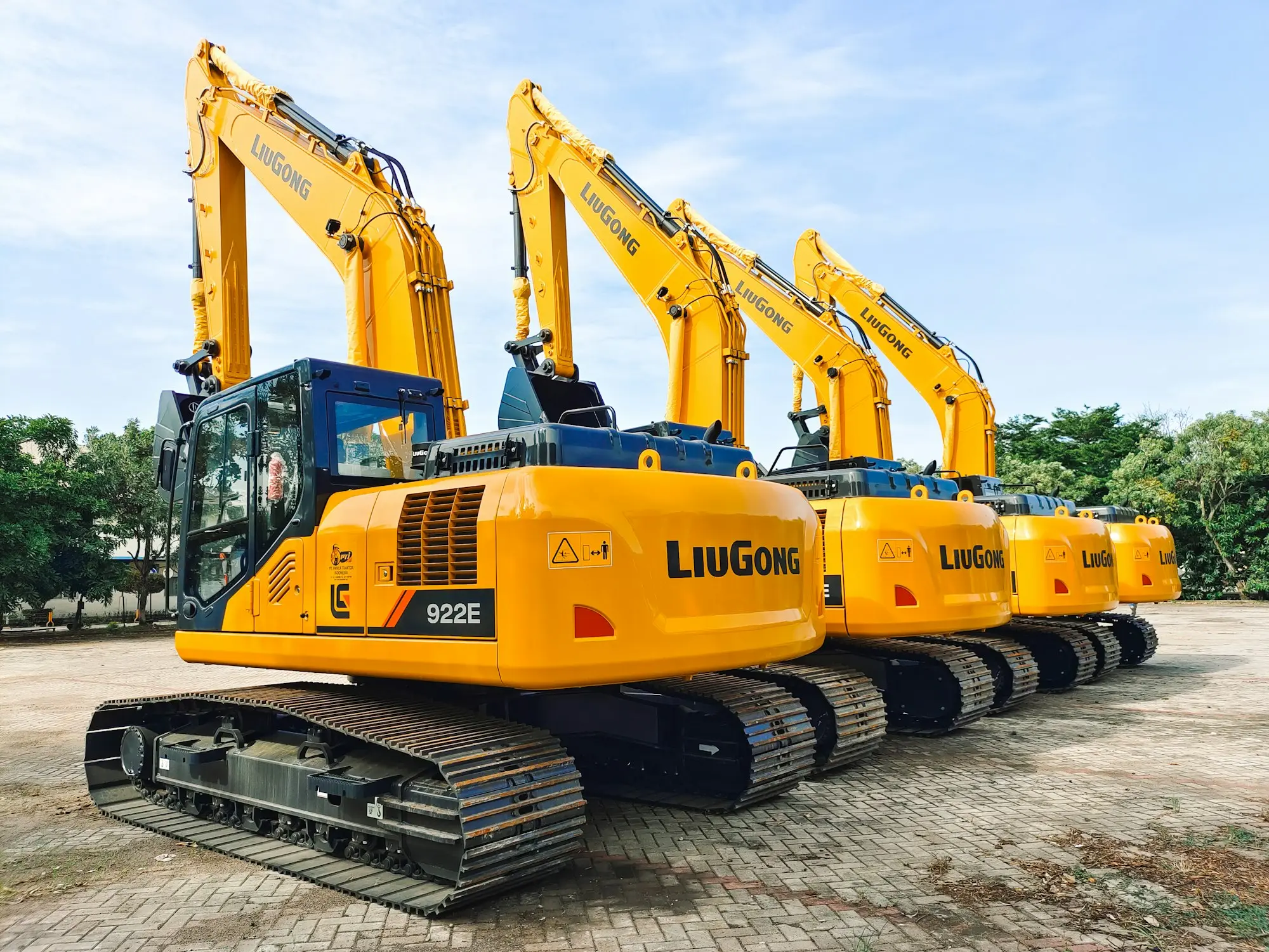
Ask an equipment financier what they’re really lending against and most will tell you the same thing: the machine. Your business matters, but the asset does a lot of the work. A late-model excavator with a ready resale market gets approved on terms that a custom-built packaging line or a café fit-out never will. Once you understand that, the rest of equipment finance makes sense.
How does equipment finance work?
You choose the equipment and the supplier. The lender pays the supplier (or, for a private sale, the seller) and you repay the lender in regular instalments over an agreed term. Throughout the term the lender holds a security interest in the equipment, recorded on the national PPSR so that anyone checking the serial number can see the lender’s claim. Pay the debt off and the lender discharges that registration.
Repayments are usually fixed and monthly, though seasonal businesses such as farmers and contractors can often negotiate structured schedules that follow their income. Many agreements also let you defer part of the price to a final balloon (called a residual on leases), which trims each instalment in exchange for a bigger cheque at the finish.
Our equipment finance calculator shows how term, deposit and balloon change the repayment and the total you’ll pay.
Which structure should you choose?
“Equipment finance” is the umbrella. Underneath sit four common structures, and choosing well affects ownership, your BAS and your tax return.
| Structure | Title while you’re paying | How GST is handled | Tends to suit |
|---|---|---|---|
| Chattel mortgage | Yours from day one; the financier registers security | Claim the GST in the purchase price as a credit, usually on your next BAS | Owners who want the asset on their books and the depreciation |
| Finance lease | The lender (lessor) | GST is built into each lease payment | Businesses preferring deductible rentals and a residual at the end |
| Hire purchase | Stays with the financier until you make the last instalment | GST credit claimed upfront | Buyers who want ownership but at the end of the term |
| Operating lease | The lender, who takes the resale risk | GST in each rental | Gear that dates fast or that you’ll hand back |
If you’re torn between two, our comparisons of chattel mortgage vs finance lease and leasing vs buying equipment set the trade-offs out side by side.
How do lenders rate the equipment?
Lenders sort assets roughly by how quickly and reliably they could resell them:
- Primary or “hard” assets: trucks, trailers, earthmoving and construction machinery, tractors, forklifts, buses. Serial-numbered, widely traded and durable. These attract the best terms and the least paperwork.
- Secondary assets: manufacturing machinery, printing presses, medical and dental equipment, commercial kitchens. Worth plenty to a specialist buyer, though there are fewer of them.
- “Soft” assets: IT hardware, software, office furniture, signage, fit-outs. Little second-hand value, so lenders lean much more heavily on your business strength, or require extra security.
That ranking explains why a newer business can sometimes finance a prime mover more easily than a $40,000 server room. It also explains why term matters: lenders want the finance paid down faster than the asset loses value, so terms often match the asset’s working life.
What else do lenders check?
| Checkpoint | Typical expectation |
|---|---|
| Trading history | ABN age and GST registration; two years is a common comfort level, but not universal |
| Credit | Business and director credit files; defaults assessed case by case |
| Ability to repay | Smaller deals may need only recent statements; bigger ones move to BAS, then full accounts |
| The asset | Make, model, age, supplier invoice, and for used gear an inspection or valuation |
| Deposit or trade-in | More likely needed for specialised assets, older gear or newer businesses |
| Existing commitments | Other finance you’re repaying, including other equipment loans |
For many standard purchases from an established business, approval can rest on a short application, ID and bank statements. Larger amounts and specialised assets move closer to full financials.
Does the instant asset write-off change the equation?
It can. The ATO’s small business newsroom confirms that, starting 1 July 2026, the $20k immediate deduction is no longer a year-by-year extension but a standing rule. It’s open to businesses whose aggregated turnover sits below $10m, and the cap is tested item by item rather than across your total spend, so a $14k welder and an $18k trailer could both qualify. Anything priced at or above the cap is pooled and depreciated gradually instead.
Two points owners often miss. First, the write-off applies whether you pay cash or finance the purchase with a chattel mortgage or hire purchase, because you’re treated as the owner. Under a lease you don’t own the asset, so you claim the lease payments instead. Second, a deduction reduces tax; it isn’t free money. Buy equipment because it earns its keep, then let the tax treatment improve the numbers. For the finer points, read our piece on the write-off and financed purchases, then have your tax agent sign off on the specifics.
Shopping for gear this quarter? Run your purchase past us. Sixty seconds of typing, and your credit history stays untouched while we look.
A quick worked example
A Toowoomba earthmoving contractor wants a used 14-tonne excavator advertised privately for $165,000, plus a $22,000 tilt hitch and bucket set from a dealer.
- The lender orders a valuation on the excavator and has the contractor search the PPSR by serial number. The search shows the seller’s existing finance, so the lender arranges to pay out that loan at settlement and send the balance to the seller.
- The attachments are bought new through the dealer and included in the same chattel mortgage.
- The contractor trades for six years and has strong bank statements, so the lender funds the full price over five years with a modest balloon.
- The GST on the dealer invoice is claimed as a credit; the private sale carries no GST because the seller isn’t registered.
The PPSR step protects against the most expensive mistake in second-hand equipment: buying something still encumbered by someone else’s finance.
Pros and cons
Advantages
- Keeps cash and overdraft limits free for wages and stock
- Usually no property security needed
- Repayments can be matched to the income the gear produces
- Tax deductions through depreciation or lease payments
Drawbacks
- Total cost exceeds paying cash, especially with fees and a balloon
- The asset can be repossessed if you default
- A balloon still has to be cleared, either from cash or by refinancing it
- Soft assets and specialised gear are harder to fund
Who provides it?
Banks are strong in equipment finance and often the cheapest option when your business fits their criteria, so speak to your own bank first. Manufacturer finance arms such as Cat Financial and John Deere Financial fund their own brands, and independent asset financiers such as Angle Finance and Flexicommercial handle a broad mix, including used and private-sale gear. If a bank has declined you, our page on equipment finance with bad credit covers the next steps.
Put the right gear to work
The best equipment purchase is one that starts earning before the first repayment is due. Found the machine already? Then the next job is funding it in a way your cash flow can carry, we can help work through the structure as well as the approval.
Our enquiry form is brief, roughly a minute of your time, and it doesn’t put a mark on your credit report. What you send stays with our team, not a distribution list, and a person who knows asset finance calls you back to discuss it. Precise details on the make, model, year, price and whether it’s a dealer or private sale mean we can suggest a sensible structure on the first call.
Frequently asked questions
What kinds of equipment can be financed?
Almost anything a business uses to earn income: earthmoving and construction machinery, trucks and trailers, farm machinery, manufacturing lines, medical and dental equipment, commercial kitchens, forklifts, IT and solar systems. Assets that hold resale value are the easiest to fund.
Do I need a deposit for equipment finance?
Not always. Established businesses buying standard, resaleable equipment can often finance the full price. Newer businesses, weaker credit or specialised gear may need a deposit or a trade-in to reduce the lender's exposure.
Can a new business get equipment finance?
Yes, though options narrow. Many lenders prefer two years of trading, but some fund newer ABNs, particularly with a deposit, a property-owning director or an asset with strong resale value.
Is equipment finance tax deductible?
Generally the business can claim deductions for interest and depreciation (under a chattel mortgage) or for lease payments (under a lease), to the extent the equipment is used for business. Your accountant should confirm the treatment for your structure.
Can I finance second-hand equipment from a private seller?
Many lenders will, subject to an inspection or valuation and proof the seller owns it outright. Always search the PPSR first so you don't buy something still subject to another lender's security interest.
What happens if I can't keep up the repayments?
Talk to the lender early. Options may include a payment pause or restructure. If the account defaults, the lender can repossess and sell the equipment, and you may still owe any shortfall.