Quick answer
A chattel is a movable item of property, as opposed to land and the buildings fixed to it. Vehicles, machinery, tools, stock and office equipment are all chattels. In Australian business lending the word survives mainly in the chattel mortgage, a loan where you own the vehicle or equipment from day one and the lender registers a security interest over it on the Personal Property Securities Register (PPSR).
Key points
- Chattels are things you can move; land and fixtures are not
- Since 2012, security over chattels is governed by the Personal Property Securities Act and registered on the PPSR
- A chattel mortgage gives you ownership at purchase, with the lender's interest recorded against the asset
- Equipment bolted into leased premises can raise a fixture question, which is why some lenders ask for a landlord waiver
The word comes from the same Old French root as “cattle”, from a time when livestock was the most valuable thing most people could own and move. In modern Australian law, a chattel is any movable, tangible item of property: the excavator, the delivery van, the commercial oven, the laptop. Land, and anything fixed to it so firmly it becomes part of the land, is not a chattel.
Where you’ll meet the word in business lending
Most owners only encounter “chattel” in one phrase: chattel mortgage. Across Australia it’s a workhorse structure for paying off utes, trucks and plant. You buy the asset and own it from the start, the lender pays the seller, and the lender’s security over that specific asset is registered until the final repayment.
That’s different from a finance lease, in which the financier keeps legal title while you pay to use the item, or hire purchase, in which title only transfers to you after the final instalment. Our comparison of chattel mortgage vs finance lease sets out the trade-offs.
Chattels, personal property and the PPSR
Since 30 January 2012, security over movable assets in Australia has been governed by the Personal Property Securities Act. The Act talks about personal property rather than chattels, a wider category that also includes invoices, shares and intellectual property. Security interests are recorded on a single national register, the PPSR, which the Australian Financial Security Authority (AFSA) administers.
Two practical consequences for business owners:
- When you borrow, your lender registers its interest on the PPSR. Vehicles and many machines are recorded against their serial number, so anyone searching that number can see the finance.
- When you buy used, checking the register first reveals whether some earlier financier still holds an interest that could follow the item to you.
Chattel or fixture?
The distinction matters more than people expect. A free-standing pizza oven is a chattel. A built-in cool room plumbed and wired into a leased shop may be treated as a fixture, which can make it part of the landlord’s property. Lenders financing equipment for leased premises sometimes ask for a landlord waiver, a letter confirming the landlord won’t claim the equipment, so their security over the chattel stays intact.
Pricing up a machine or vehicle? A quick finance enquiry helps you settle on a structure before the dealer’s paperwork lands in front of you.
Worked example: an earthmoving contractor
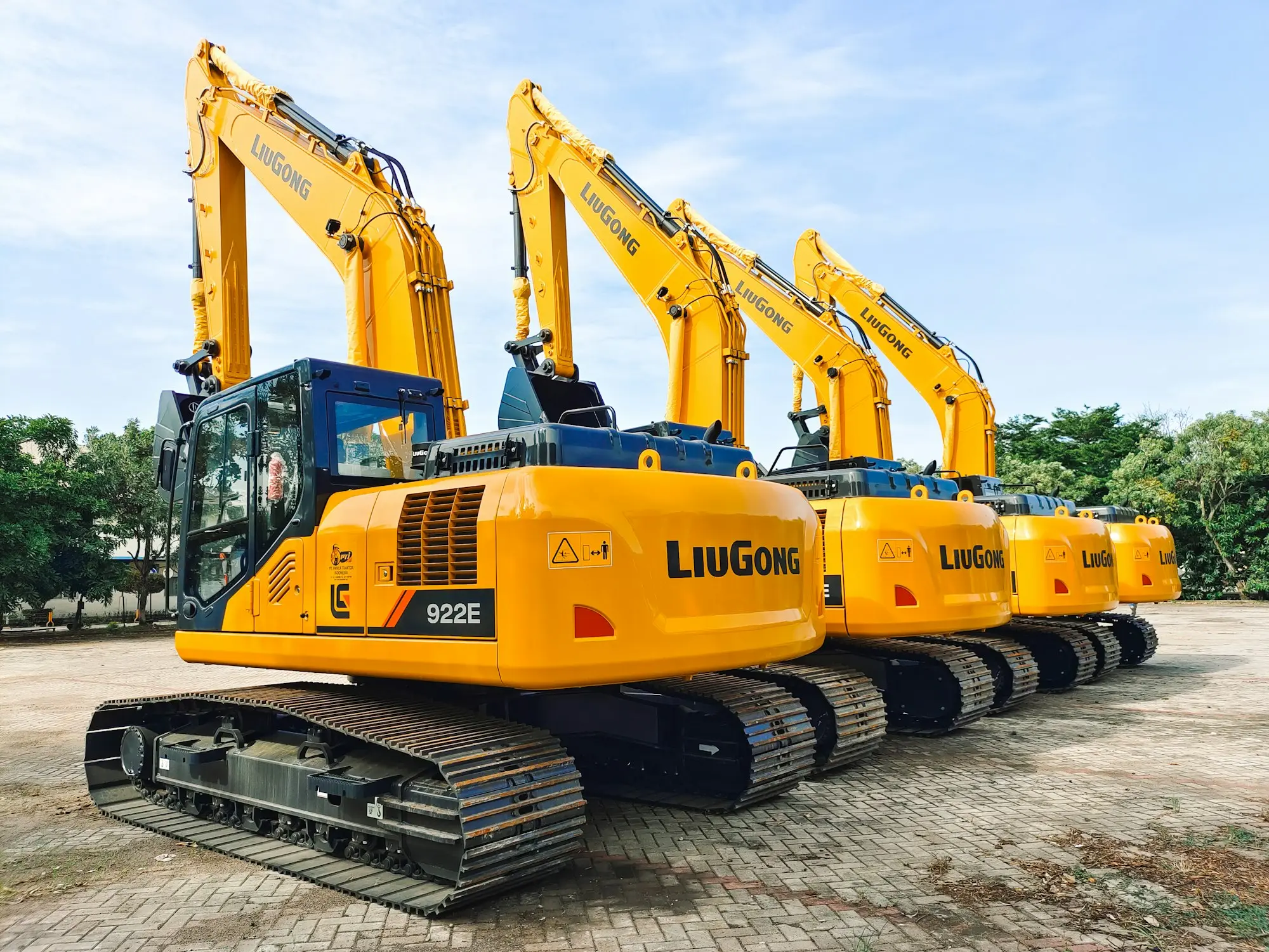
A Toowoomba earthmoving business buys a used excavator for $132k including GST. Before handing over any money, the owner checks the machine’s serial number on the register and finds it clear. It finances the purchase with a chattel mortgage over five years.
From the day of purchase the business owns the excavator, can list it on its balance sheet and claim depreciation. Because it’s registered for GST and uses the machine wholly for business, it can generally claim the $12k GST credit on its next BAS rather than spread over the term. The lender registers its interest on the PPSR, and the entry comes off once the loan is fully paid. Run your own numbers through the equipment finance calculator.
Related terms: asset finance, security interest, balloon payment, collateral.
Ready to put the right machine to work?
Whether it’s a single ute or a yard of plant, the finance structure affects your tax, your cash flow and who owns the asset. Sending us an enquiry is a one-minute task, and nobody pulls your credit file because you asked. Your information isn’t shopped around to a string of financiers, and a real person who understands equipment finance calls you back. Be precise about the asset, its age and the price, because that’s what shapes the offer.
Frequently asked questions
What is an example of a chattel?
A tradie's ute, a café's espresso machine, a farmer's tractor, a printing press or a forklift. If it can be picked up, driven or unbolted and taken away without damaging the land or building, it's generally a chattel.
What is the difference between a chattel and a fixture?
A fixture is attached to land or a building in a way that makes it part of the property, such as a built-in cool room or a ducted air-conditioning system. A chattel stays separate. The line depends on how firmly the item is attached and why, and it matters for property sales and for lenders taking security.
Is a chattel the same as personal property?
Broadly, yes. Australia's Personal Property Securities Act uses the term personal property, which covers chattels and also intangible assets such as receivables and intellectual property. Chattel is the older legal word for the tangible, movable kind.
Why is it called a chattel mortgage?
Because the security is over a chattel rather than land. The structure is the same idea as a home loan: you own the asset, and the lender holds security over it until the loan is repaid. Today that security is registered on the PPSR.
Should I search the PPSR before buying used equipment?
Yes. A PPSR search on a vehicle or machine's serial number shows whether a lender still has a registered security interest over it. Buying an encumbered asset can mean a lender has a claim on it, so the small search fee is worth paying.