Quick answer
A sale and leaseback is an arrangement where a business sells an asset it already owns, such as trucks, machinery or its premises, to a financier or investor and immediately leases it back. The business keeps using the asset without interruption, receives a lump sum of cash, and then makes regular lease payments. It turns equity locked in equipment or property into working capital.
Key points
- Releases cash from assets you own outright or have mostly paid off
- The asset never leaves your yard, workshop or premises
- Financiers buy at their own valuation, often below what you paid
- For GST-registered businesses, the sale is usually a taxable supply reported on your BAS
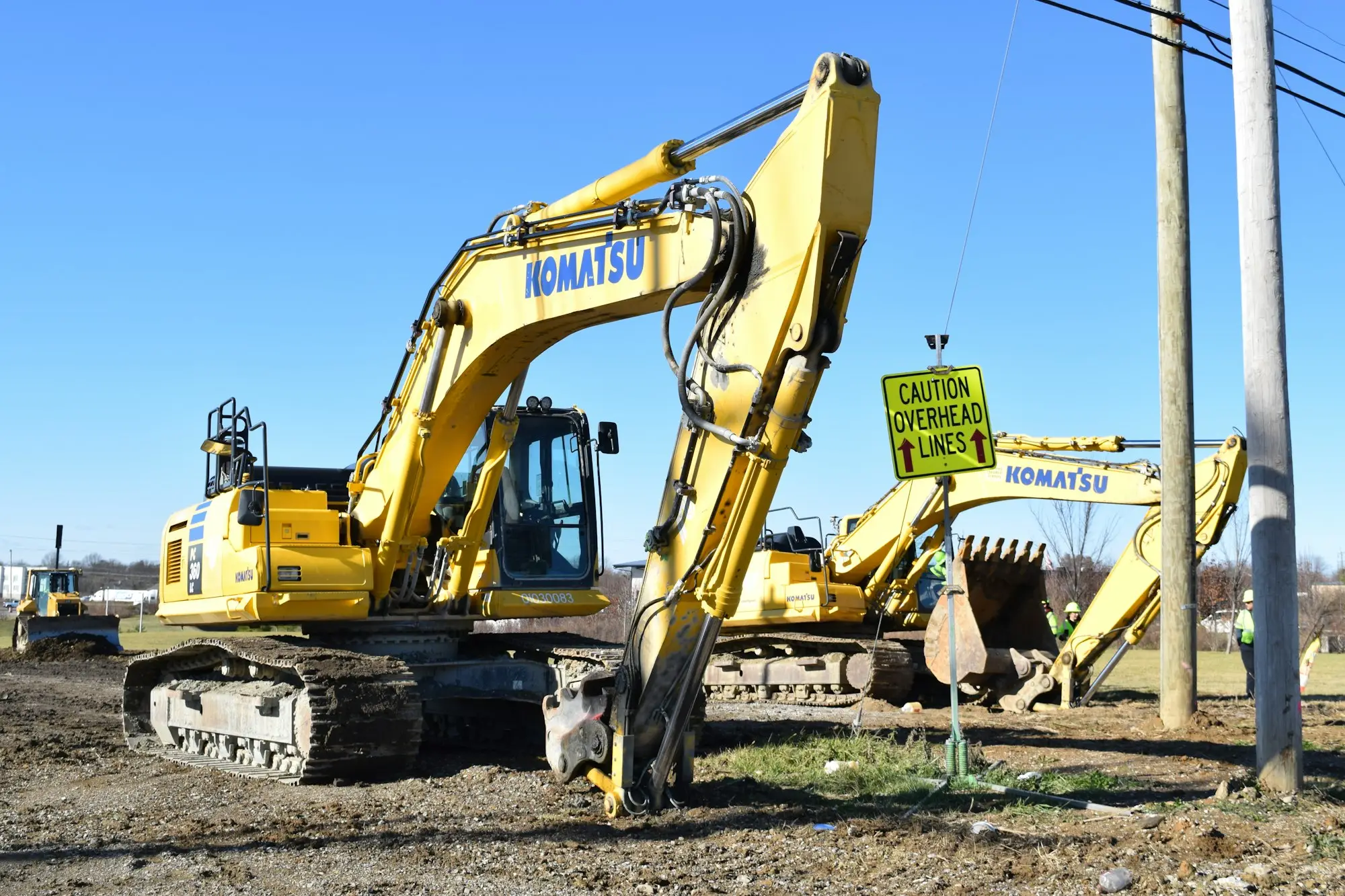
Plenty of businesses are asset-rich and cash-poor. An excavator paid off two years ago is worth real money, but none of it helps with a wage bill due on Thursday. Sale and leaseback is one way to bridge that gap without parting with the machine.
How does a sale and leaseback work?
There are two linked transactions, usually signed together:
- The sale. A financier buys the asset from your business at an agreed price, normally based on its own valuation of what it could resell the asset for.
- The lease back. The financier then leases the same asset to you for a fixed term. You become the lessee, pay regular rent and keep operating as before.
At the end of an equipment lease there’s often a residual value you can pay to own the asset again. With property, the business signs a long lease and the buyer, often a private investor, keeps the building.
Why it matters in business lending
A sale and leaseback lets a lender rely on the asset itself rather than on your credit file or financial statements alone. That makes it useful for businesses that are equipment-heavy but have patchy accounts, a recent loss, or a bank that has reached its limit with them. Banks often offer equipment finance at competitive prices, and if yours will fund against the assets, start there. When they won’t, specialist asset financiers can be more flexible.
Three practical points catch owners out:
- The price is the financier’s number. Expect a valuation closer to auction or wholesale value than to what you paid or what your depreciation schedule says.
- GST comes out of the proceeds. If you’re registered, the sale is usually a taxable supply, so a slice of the cash is owed to the ATO when you lodge the next BAS. Plan for it.
- Ownership changes on paper. Insurance, registration and any PPSR entries need updating, and the financier will register its interest.
If you’re weighing this against borrowing outright, our sale and leaseback vs business loan comparison sets the two side by side.
A worked example: an earthmoving contractor
A contractor near Toowoomba owns two unencumbered machines and a tipper, and needs cash for a new council contract that pays 45 days after each monthly claim.
- The financier values the three assets and offers $165,000 plus GST, so $181,500 lands in the account.
- The business reports $16,500 GST on its next BAS, leaving $165,000 to work with.
- It leases the assets back over 48 months, with a residual set so it can buy them back at the end.
The machines never stop working, and the contract is funded from equity the business already had. The cost to judge is total lease payments plus the residual, minus the $165,000 received. Our equipment finance calculator helps rough out that dollar figure.
Got gear in the yard and a gap in the bank account? Let us look at what it could release.
Related terms
- Finance lease: the structure many equipment leasebacks use.
- Equity release: drawing cash from an asset’s value, usually property.
- Lessor: the financier that owns the asset after the sale.
- Asset finance: the broader family of lending secured by equipment.
Turning owned equipment into working capital
If you own trucks, plant or machinery outright, you may have more borrowing power than you think. A leaseback is one option; a secured business loan or equipment finance refinance are others, and the best fit depends on the assets and how quickly you need funds.
Send us a short rundown of the assets and the shortfall. The form asks a few questions and takes around a minute. It doesn’t trigger a credit enquiry, and it isn’t passed around to lenders hunting for leads. Someone who knows asset lending reads it and gives you a call. List each asset with its rough age and condition which helps us match the structure on the first call.
Frequently asked questions
What assets can be used for a sale and leaseback?
Mostly assets that hold value and are easy to identify: trucks, trailers, earthmoving gear, forklifts, manufacturing machinery, medical equipment and sometimes commercial property. Specialised or heavily customised equipment is harder because a financier may struggle to resell it.
Is a sale and leaseback the same as a loan?
Economically it works much like secured finance, but legally you've sold the asset and become a lessee. That changes the paperwork, the tax treatment and what happens at the end of the term, so it's worth comparing against a straightforward secured loan.
Can I buy the asset back at the end?
Many equipment leasebacks include a residual or buyout amount that lets you take ownership again. Property leasebacks usually don't; the investor keeps the building and you simply renew or leave at the end of the lease.
Do I have to pay GST when I sell the asset?
If your business is registered for GST, selling a business asset is generally a taxable sale, so GST on the sale price is reported in your next activity statement. Lease payments then usually include GST you can claim back. Check the timing with your accountant before you rely on the full cash amount.
Can I do a leaseback on equipment that still has finance owing?
Sometimes. The new financier pays out the existing lender first and gives you the balance. The net cash is smaller, but it can still be worthwhile if the old finance has high repayments.