Quick answer
Asset finance is money used to buy or use a business asset, such as a vehicle, machine or piece of equipment, where the asset itself secures the deal. In Australia it covers chattel mortgages, hire purchase, finance leases and operating leases. Because the lender can recover the asset, approval is usually easier and the cost lower than an unsecured loan of the same size.
Key points
- An umbrella term for several structures, not one product
- The asset being bought is the main security, recorded on the PPSR
- Who owns the asset during the term changes the GST and tax treatment
- Lenders care about the asset's resale value as much as your business
Put simply, asset finance lets a business get the use of a tangible thing it needs, today, and pay for it over the years that thing earns its keep. The item doubles as the lender’s protection: if the repayments stop, the lender takes it back.
That second point is what separates asset finance from a general business loan. An unsecured lender is betting on your cash flow alone. An asset financier is also betting on a ute, an excavator or a coffee machine that it can sell if things go wrong, so it often approves deals an unsecured lender would decline.
Which structures sit under the asset finance umbrella?
Four arrangements cover most Australian deals. They split on one question, legal title until the final payment, and the answer shapes the tax and GST result.
| Structure | Legal owner while repaying | Finish line |
|---|---|---|
| Chattel mortgage | You, immediately | Final repayment or balloon clears the loan |
| Hire purchase | The financier | Ownership passes to you after the last payment |
| Finance lease | The financier | Settle the residual, roll it into new finance or give the item up |
| Operating lease | The financier | Return or upgrade the asset; no expectation of ownership |
Chattel mortgages are the most common choice for businesses registered for GST, because you own the asset straight away and the GST on the purchase price can usually be claimed on your next BAS. Leases spread the GST across the monthly rentals.
Why does the PPSR matter?
Every financier that funds an asset lodges a registration on the national PPSR. That entry ranks the funder ahead of unsecured creditors if the business collapses, and it remains in place until the contract is paid out.
It also protects you as a buyer. Searching a used truck’s serial number or VIN before you pay tells you if an earlier owner’s financier is still registered against it. Skip that step and you could end up paying for an asset that a previous owner’s lender can still take. Read more in our PPSR entry.
What do lenders look at?
The asset carries a lot of weight in the decision. Lenders tend to favour items that are easy to resell, such as vehicles, yellow goods and common trade equipment, and to tread carefully with one-off custom machines, gear past its prime, or fit-out bolted into a leased building. After that come the familiar checks: time trading, ABN and GST registration, bank statements, and the repayment record of both the company and the people behind it.
Want to see whether a bank, non-bank or specialist funder fits your purchase? Send us the asset details and we’ll take a look.
A worked example
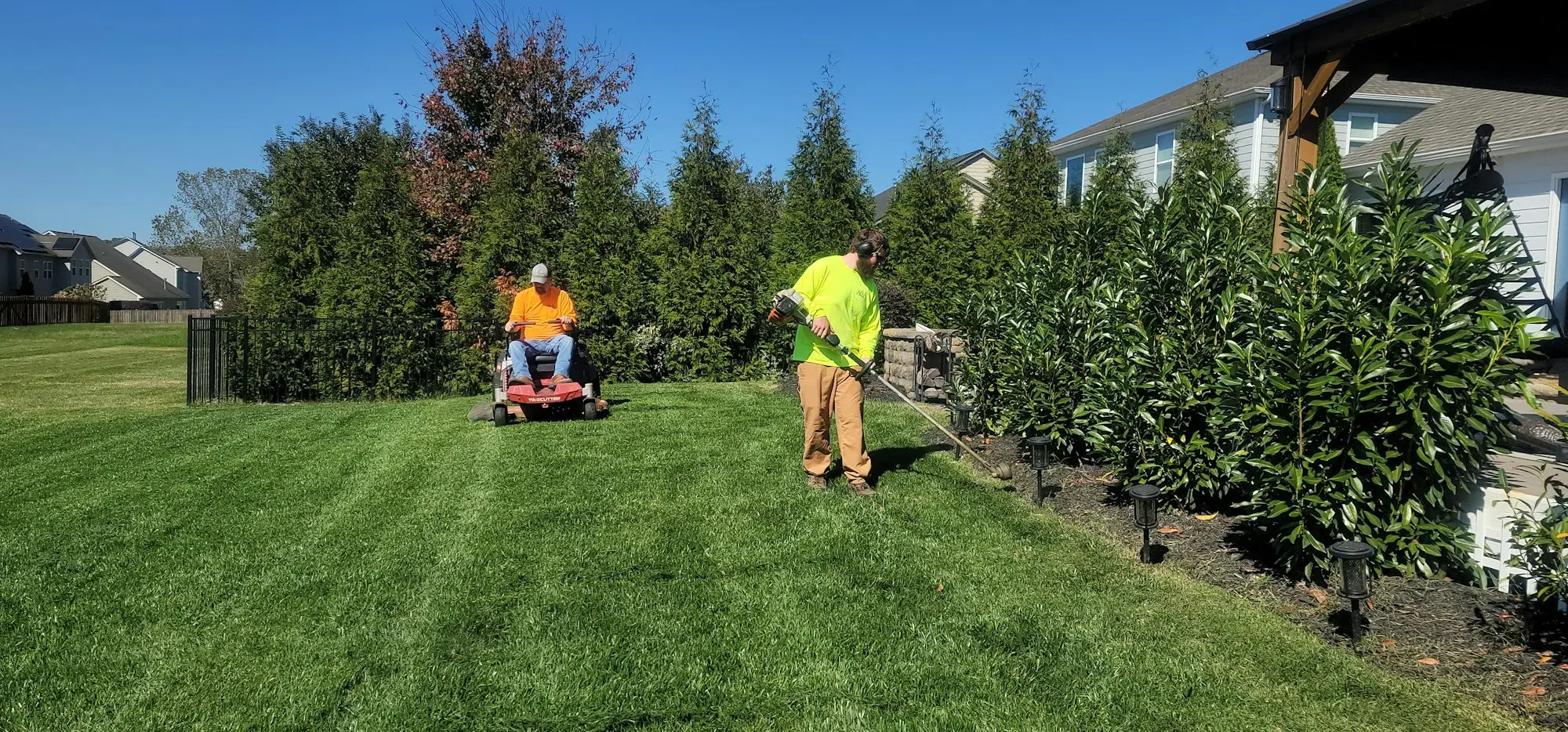
A landscaping business on the Sunshine Coast, trading four years and registered for GST, needs a second tray-back ute and a commercial ride-on mower. The ute is $58k from a dealer and the mower is $14k.
- The owner finances the ute on a five-year chattel mortgage with no deposit. GST on the purchase is claimed on the next quarterly BAS, which frees up cash in the first quarter.
- The mower sits under the $20k per-asset instant asset write-off threshold that the ATO now treats as an ongoing setting from 1 July 2026, so the accountant suggests paying cash and claiming it in full that year, subject to the business meeting the eligibility rules.
- Total interest on the ute over the term runs to several thousand dollars. The owner compares that dollar figure, rather than any headline price, against what the second crew is expected to bill.
Run your own numbers through the equipment finance calculator to see repayments and total cost in dollars.
Related terms
Equipment finance is the narrower everyday name for the same idea. Asset-backed lending works the other way round: borrowing against assets you already own. For a deeper look at structures, see our asset finance loan guide and the comparison of chattel mortgage versus hire purchase.
Buying a vehicle or machine soon?
Ute, tipper, oven or laser cutter, the best structure hangs on the item, your GST registration and how many years it will work for you. Jot down the asset and its price in our short form; it’s about sixty seconds of typing, and your credit report stays untouched by the enquiry. Nothing gets broadcast to a list of funders. One specialist reads what you sent and rings to discuss the purchase. Honest numbers on price, age and trading history let that first conversation land on the structure that actually fits.
Frequently asked questions
Is asset finance the same as equipment finance?
Mostly. Equipment finance is the everyday name when the asset is machinery or tools. Asset finance is the wider label that also covers cars, trucks, trailers, fit-out items and technology. The structures and the way lenders assess them are the same.
Do I need a deposit for asset finance?
Often not for established businesses buying new or near-new assets, because the asset covers most of the lender's risk. Newer businesses, older or specialised equipment, and private sales are where lenders more commonly ask for a deposit or a trade-in.
Can I use asset finance to buy from a private seller?
Many lenders will fund private sales, usually with extra checks: a PPSR search to make sure no one else has a security interest, proof of ownership, and sometimes an inspection or valuation. Expect a slightly slower process than buying from a dealer.
What happens to the asset if I stop paying?
Because the lender holds a security interest, it can repossess and sell the asset, then pursue any shortfall from the business and any guarantors. Talking to the lender early, before repayments are missed, opens up more options.
Does asset finance help with tax?
It can. Depending on the structure, you may claim depreciation and interest, or the lease rentals, and GST credits may come upfront or spread across the term. Your accountant can tell you which structure suits your tax position.