Quick answer
An asset is something your business owns or controls that has value, such as cash, money owed by customers, stock, vehicles, equipment, property or intangible items like goodwill. Assets appear on the balance sheet. In lending, they matter in two ways: they show the strength of the business, and some can be pledged as security, which can unlock larger amounts or lower total costs than unsecured borrowing.
Key points
- Assets are split into current (cash within 12 months) and non-current (longer-lived)
- Lenders value assets at what they'd fetch in a sale, not at what you paid or their book value
- An asset already pledged to another lender is encumbered and counts for less
- The $20,000 instant asset write-off is now permanent for small businesses from 1 July 2026
Ask an accountant and an asset is anything the business owns that has value. Ask a credit assessor and you’ll get a sharper version: an asset is something that could be turned into cash if the business stopped trading tomorrow. Both definitions are correct. The second one is the one that decides how much you can borrow.
The main kinds of business asset
| Type | Examples | How a lender usually sees it |
|---|---|---|
| Cash | Bank balances, term deposits | The strongest asset; a term deposit can itself be pledged as security |
| Receivables | Unpaid customer invoices | Valuable if customers are creditworthy; the basis of invoice finance |
| Stock | Inventory, raw materials | Discounted heavily; worth less in a forced sale |
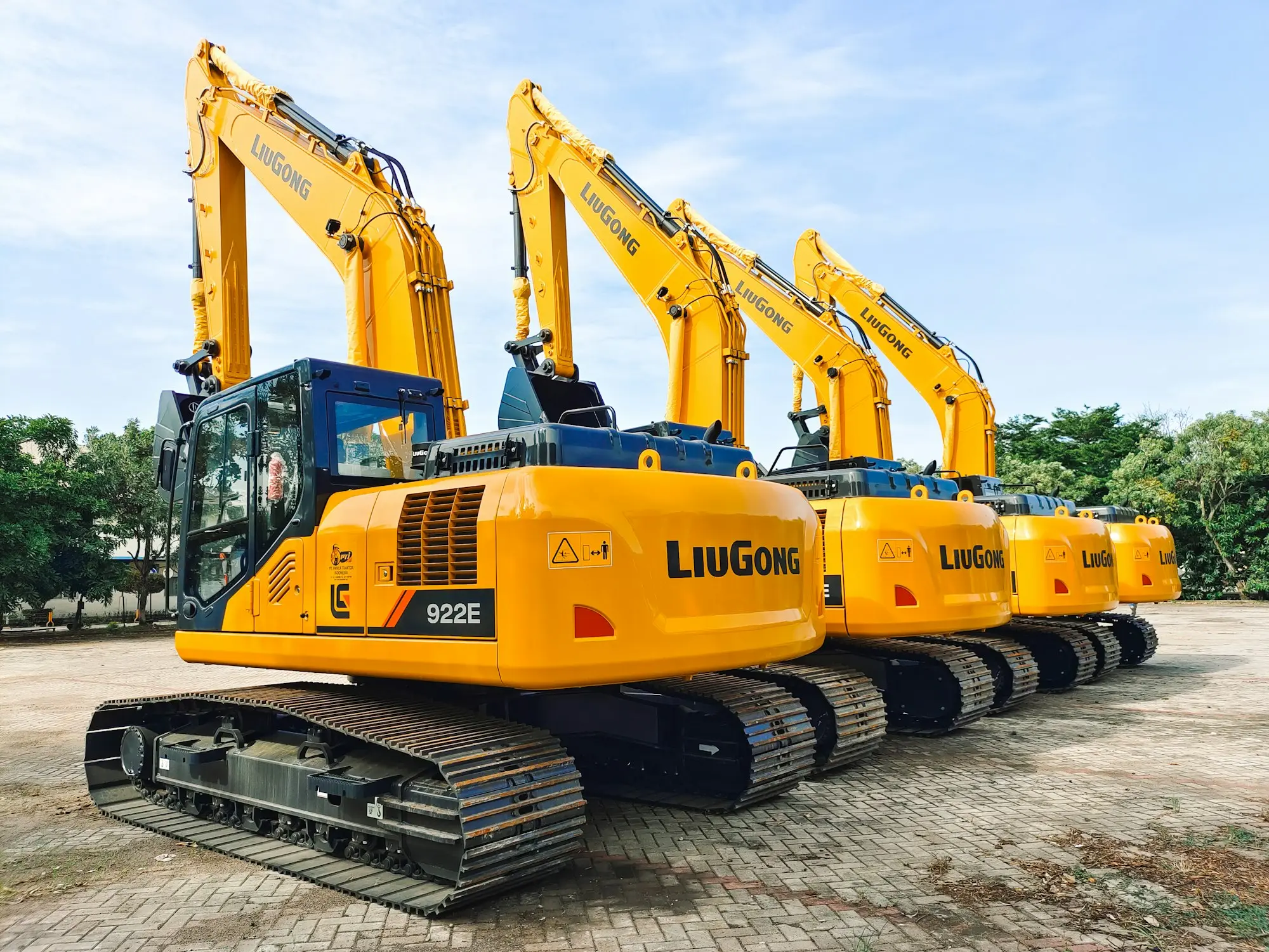
| Plant, equipment and vehicles | Utes, trucks, excavators, ovens | Good security if there’s an active resale market |
| Property | Land, buildings, the owner’s home | The most widely accepted security for larger loans |
| Intangibles | Goodwill, trademarks, software | Rarely lent against on their own |
The first three are current assets; the rest are non-current. Together they make up the top half of the balance sheet.
Book value, market value and lending value
Your accounts show assets at cost less depreciation, called book value. That figure is shaped by tax rules, not by what a buyer would pay. A ute bought for $55k and written off quickly might sit in the books at a fraction of that while still fetching $40k at auction. A specialised machine bolted to a factory floor might have a healthy book value and very few buyers.
Lenders care about a third figure: what the asset would realistically bring in a sale, minus selling costs, and then only a percentage of that. The percentage is the advance rate, or loan-to-value ratio for property. Liquid, easily sold assets attract higher percentages; specialised or perishable ones attract lower.
There’s a tax wrinkle worth knowing. Small businesses (aggregated turnover under $10m) can now claim an immediate deduction for each eligible item under $20,000, and from 1 July 2026 that write-off is a permanent fixture rather than a year-by-year extension. Write an asset off immediately and its book value falls to zero, but its resale value doesn’t. When a lender looks at your balance sheet, a note listing written-off equipment can help it see value the accounts hide.
Got equipment or property that’s worth more than your accounts show? Find out what it could support.
Worked example: a landscaping business on paper and in reality
A Sunshine Coast landscaper’s balance sheet shows:
| Asset | Book value | Likely lending value |
|---|---|---|
| A tipper and two utes | $35k | $50k sale value, advance perhaps 70% |
| Ride-on mowers and tools (mostly written off) | $4k | $18k sale value, advance lower |
| Customer receivables | $26k | Usable for invoice finance if customers are solid |
| Owner’s home equity (personal, not on the business balance sheet) | Not shown | Often the largest source of borrowing capacity |
On paper the business looks asset-light. In practice, the vehicles are unencumbered, the gear has real resale value, and the owner’s home equity could support a secured business loan or a sale and leaseback of the fleet. Our property equity calculator helps estimate the home equity side.
Encumbered or free?
An asset already pledged as security is encumbered. Vehicles and equipment under finance, a property with a mortgage, or a business with a general security agreement over everything it owns all count for less to a new lender. Lenders check the PPSR and the land title to see what’s registered. Unencumbered assets are the ones that move the needle.
Related terms
- Asset-backed lending: borrowing where the asset, not the cash flow, carries the decision
- Asset finance: loans and leases used to buy an asset in the first place
- Depreciation: how an asset’s book value falls over time
Using what you own to fund what’s next
Many owners are surprised by how much borrowing power sits in the things they already have: a paid-off truck, a yard of equipment, the equity in their home. Curious how far yours could stretch? Tell us about them through our short form. It’s about a minute’s work, sending it doesn’t involve any credit check, and we don’t scatter your information across the lending market. Someone experienced goes over it, then rings you about the possibilities. List your assets honestly, debts against them included, so we can steer you to a sensible option straight away.
Frequently asked questions
What is the difference between current and non-current assets?
Current assets are cash or things expected to turn into cash within 12 months, such as receivables and stock. Non-current assets are held for longer, such as property, machinery and vehicles. Lenders use current assets to judge short-term liquidity and non-current assets as potential security.
Is goodwill an asset a lender will lend against?
Goodwill is an intangible asset and does appear on many balance sheets, but most lenders give it little or no value as security because it can't be sold separately from the business. It matters more in business acquisition lending, where the price paid often includes a large goodwill component.
Can I borrow against personal assets for my business?
Yes. Many small business loans are secured by the owner's home or investment property rather than business assets. Property owned in your own name can be offered as security for a business-purpose loan, with the usual checks on equity and title.
What does it mean if an asset is unencumbered?
It means no lender currently holds security over it. Unencumbered property or equipment is the most valuable to a new lender, because it can take first-ranking security without negotiating with anyone else.
How do lenders find out what assets I've already pledged?
They search the PPSR for security interests over business and personal property such as vehicles and equipment, and do a title search for property. Anything registered there will show up, so it's best to disclose it upfront.