Quick answer
A lessor is the owner of an asset who grants someone else, the lessee, the right to use it in return for regular payments. The lessor keeps legal ownership for the whole lease. In Australian business finance, lessors include banks, equipment financiers, manufacturers' finance arms and landlords, and they usually protect their ownership by registering it on the PPSR.
Key points
- The lessor owns the asset; the lessee only has the right to use it
- Lessors range from banks and financiers to landlords and hire companies
- Lessors of goods register on the PPSR so their ownership survives the lessee's insolvency
- A lessor assesses your business much like a lender assesses a borrower
Every lease has two parties, and the lessor is the one holding the title. It owns the excavator, the fleet of utes or the warehouse, and it lets your business use that asset in exchange for agreed payments over an agreed term.
Who acts as a lessor in Australia?
The word covers a wider group than most people expect:
| Type of lessor | Typical assets | What it cares about most |
|---|---|---|
| Banks and their asset finance divisions | Vehicles, plant, technology | Your financials and repayment history |
| Non-bank equipment financiers | Trucks, yellow goods, medical and hospitality gear | How well the asset resells, plus your latest statements |
| Manufacturer or dealer finance arms | Their own brand of machinery or vehicles | Moving product, keeping you in their brand |
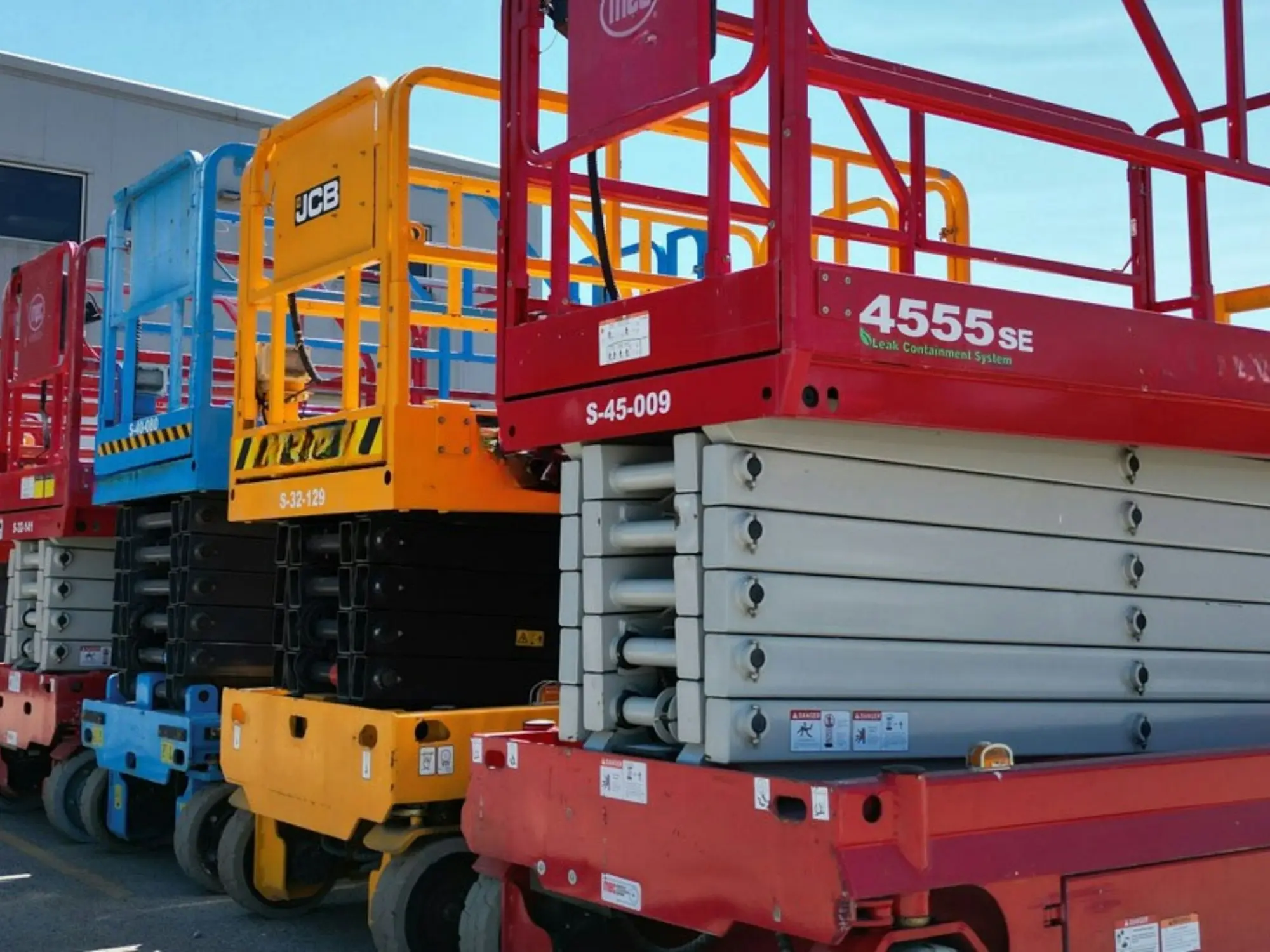
| Hire and rental companies | Short-term plant, scaffolding, scissor lifts | Condition on return and prompt payment |
| Landlords | Shops, offices, factories | Lease security such as a bank guarantee |
What the lessor keeps, and what it hands over
The lessor hands over possession and use. It keeps legal ownership, and with it two things that shape the whole deal.
The residual risk. Under an operating lease, the lessor takes the asset back at the end and carries the risk of what it will fetch. Under a finance lease, that risk is pushed onto the lessee through a residual value the lessee must cover. Our finance lease vs operating lease comparison sets out the difference.
The insolvency risk. This is where Australian law adds a twist. The Personal Property Securities Act 2009 treats many longer-term leases of goods as a security interest, even though the lessor owns the goods outright. A lessor that fails to register correctly on the PPSR can find, if the lessee collapses, that the liquidator takes the goods and the lessor becomes just another unsecured creditor. That’s why a professional lessor registers against your business almost as soon as you sign.
The lessor’s view when you apply
Because it’s handing over an expensive asset, a lessor checks your business much as a lender would: trading history, cash flow, existing debts and the asset itself. Equipment that holds its value, such as a late-model prime mover, is easier to lease than specialised gear with a thin resale market.
Need funds rather than another lease? Send us the details and we’ll look at the options.
Example: switching sides in a sale and leaseback
A Toowoomba earthmoving contractor owns three excavators outright but is short of working capital. Through a sale and leaseback, a financier buys the machines for $310k and leases them straight back. The contractor stops being the owner and becomes the lessee; the financier becomes the lessor, registers its interest on the PPSR, and receives monthly payments. The machines never leave the site, but the business now has cash in the bank and a new fixed commitment to budget for.
Looking for finance beyond leasing?
Leasing suits plenty of assets, but sometimes a loan secured on property, or an unsecured facility, is the better fit. Enquiring is quick, close to a minute, and doesn’t trigger any credit search. We won’t broadcast your application to dozens of funders; a real member of our team reads it and rings you. Fill it in carefully, including any leases you already hold, so the structure we put forward is the right one from the start.
Frequently asked questions
Is a lessor the same as a lender?
Not legally. A lender lends money and takes security; a lessor owns the asset and rents it out. In practice many equipment lessors are finance companies or banks, and they assess your application in a very similar way.
What happens if the lessor goes broke?
The lease is usually a contract that continues. Lease books are often sold to another financier, and you keep paying the new owner on the same terms. Check your contract for what it says about assignment.
Why does the lessor register on the PPSR?
Under the Personal Property Securities Act, many longer leases of goods are treated as security interests. If the lessor doesn't register properly and the lessee becomes insolvent, the lessor can lose the goods to the lessee's liquidator or administrator.
Can a lessor take the asset back?
If the lessee defaults, the contract normally lets the lessor end the lease and repossess the goods, then claim any shortfall. For premises, landlords must follow the termination steps in the lease and state law.
Who claims depreciation, the lessor or lessee?
Under a true lease the lessor, as owner, usually claims the decline in value, and the lessee claims its lease payments. Hire purchase is treated differently. An accountant can confirm the position for a specific agreement.