Group and General Finance
Asset & equipment finance
- What they fund
- Asset financeEquipment finance
- In a sentence
- Asset and equipment finance.
Quick answer
Group & General Finance (GGF) is a Chatswood-based non-bank asset lender with more than 25 years in the market. As at October 2026 it funds cars, trucks, commercial vehicles and plant and equipment Australia-wide, including private sales, engine repowers, buy backs and refinancing against assets you already own. It works mainly through accredited brokers and says it assesses each deal on merit rather than a fixed scorecard.
Key points
- Non-bank asset finance lender holding Australian Credit Licence 387822, with AFCA and AFIA membership listed on its website
- Funds cars, trucks, commercial vehicles and plant and equipment, from dealers or private sellers
- Also considers engine repowers, buy backs, novated leases and finance against assets a business already owns
- Primarily broker-distributed: most borrowers reach GGF through an accredited finance broker
- Publishes no minimum trading period, turnover or loan size, so eligibility is confirmed deal by deal
- Lender type
- Non-bank asset finance lender
- Based
- Chatswood, NSW (lends Australia-wide)
- Assets funded
- Cars, trucks, commercial vehicles, plant and equipment
- How to apply
- Mainly through accredited brokers
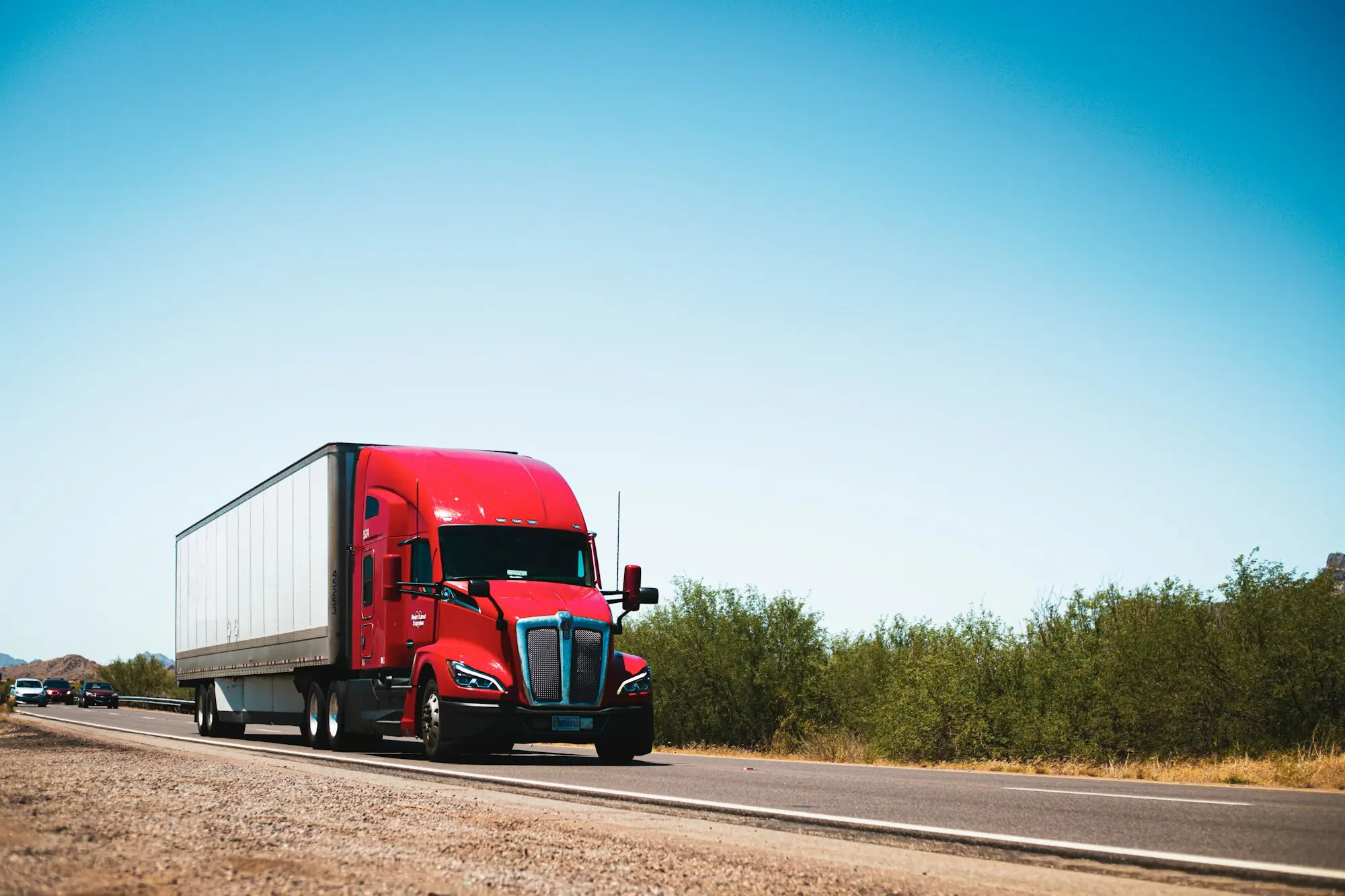
Picture an owner-driver whose prime mover is 48 months into a 60-month loan, with a hefty residual sitting at the end. The bank that wrote the original loan wants the balloon paid in full, the truck is earning well, and selling it makes no sense. That kind of deal is the everyday work of a specialist asset financier, and Group & General Finance, usually shortened to GGF, has been doing it for more than two decades.
This profile sets out what GGF funds, how it gets its business, who it tends to suit and what to do if it can’t help. Everything here comes from GGF’s own website as at October 2026. Policies change, so confirm the detail through your broker before relying on it.
Who is Group & General Finance?
GGF is a non-bank lender that only does asset finance. Its website gives an address on the Pacific Highway in Chatswood, NSW, says it lends Australia-wide, and lists Australian Credit Licence 387822, membership of the Australian Financial Complaints Authority (member 41879) and membership of the Australian Finance Industry Association.
It reports more than 25 years in the market, over $1 billion in loans funded and more than 10,000 customers. Its tagline is “asset finance backed by experience & judgement”, and the theme running through the whole site is that a credit person, not an automated scorecard, looks at each application.
What will GGF finance?
The website groups its lending into four areas:
| Area | What GGF says it covers |
|---|---|
| Motor vehicles | New and used vehicles, bought through a dealer or from a private seller |
| Trucks and commercial vehicles | Trucks and commercial vehicles across a range of industries |
| Plant and equipment | Machinery and equipment a business needs to operate and grow |
| Other scenarios | Refinancing against assets you already own, engine repowers, buy backs and novated leases |
Two items in that last row are less common than they look. Engine repower finance covers a replacement engine or driveline on an eligible commercial vehicle, which can extend a truck’s working life for a fraction of the cost of a new one. Finance against an existing asset lets a business raise money on equipment it already owns, or refinance a balloon that has fallen due, subject to GGF’s policy at the time.
GGF doesn’t name the contract types it writes, such as chattel mortgage or finance lease. Ask your broker which structure the offer uses, because it changes who owns the asset and how GST and depreciation are handled.
How does GGF assess an application?
The short answer, from its own pages, is “on its individual merits”. GGF is careful to add that this doesn’t mean every unusual deal gets approved, but it does mean an application with a wrinkle (a private sale, an older asset, a recent credit blemish with a good explanation) can be argued rather than rejected by software.
There is also a quicker lane. In February 2025 GGF announced an express assessment for late-model vehicles and equipment bought from licensed dealers. Its case study describes a Ford Ranger loan approved in under 30 minutes and settled that day using e-signed contracts. GGF doesn’t define “late model”, so treat the express lane as a bonus for clean dealer purchases rather than something to plan around.
GGF publishes no minimum trading period, turnover figure or loan size. In practice, an asset lender weighs:
- The asset: its age, condition, resale market and who is selling it.
- The deposit or trade-in: equity in the deal lowers the lender’s risk.
- Your track record: time in business, previous asset finance repaid on time, ATO and credit history.
- Affordability: whether the repayment fits the cash flow the asset will help produce.
Our equipment finance calculator shows what a repayment and balloon look like over different terms, and is a useful sense check before your broker asks GGF for a figure.
If you’d rather someone else work out whether a broker-led asset lender is even the right category for you, tell us about the purchase and we’ll look at it without touching your credit file.
Can you go to GGF directly?
Mostly no. GGF’s About page says plainly that it is “primarily a broker-distributed lender”. Brokers become accredited and then deal directly with its credit team. Existing customers can call for statements, payout letters and account help, but a new applicant will normally need a broker.
That isn’t a drawback in itself. A good broker packages the deal, knows how GGF’s credit team thinks and can compare the offer with other asset lenders. Do ask your broker how they’re paid on the deal, and whether a brokerage fee is added on top of the lender’s charges.
Who does GGF suit, and who should look elsewhere?
GGF is a natural fit for:
- Transport operators and tradies buying trucks, utes, trailers or yellow goods, including from private sellers.
- Owners facing a balloon they’d rather refinance than pay out or sell the asset over.
- Operators repowering an older truck instead of replacing it.
- Borrowers with a story to tell: a deal that needs a person to read it, not a scorecard.
It is a weaker fit if you need working capital with no asset attached, want to deal with a lender directly without a broker, or need funds secured against property. For those, look at unsecured business loans or a secured business loan over real estate.
What should you ask before you sign?
Get the answers in writing, through your broker:
- What is the contract type? Chattel mortgage, lease or hire purchase each treat ownership, GST and tax differently.
- Across the whole term, what will this cost in dollars? Count establishment, brokerage and any monthly account fee.
- How big is the balloon, and what happens when it falls due? Our guide to balloon payments explains the trade-off.
- What does it cost to pay out early?
- What security is registered? Asset lenders record their interest on the PPSR; check nothing else is registered over the same asset.
What if GGF says no?
The reason for the decline points to the next step:
- The asset is too old or too specialised: a secured business loan against property doesn’t care what the machine is.
- Your credit file has defaults or judgments: our guide to equipment finance with bad credit explains which lenders still take those files.
- The business is very new: equipment finance for new businesses covers what lenders look for in the first year.
- You need cash rather than an asset: a sale and leaseback or a loan against your home can unlock value fast.
Other asset financiers you can compare in this directory include Metro Finance, Dynamoney and Angle Finance.
Want a second opinion on the deal?
Asset finance looks simple until the asset is privately sold, ten years old or carrying a balloon you didn’t plan for. That’s when it helps to have someone look at the whole picture, including options that have nothing to do with the vehicle itself.
Our form takes around a minute, and making an enquiry puts no mark on your credit history. Your answers stay with us rather than being circulated to a list of financiers. A member of our team studies the deal and phones you with honest options. Describe the asset, its age and your figures exactly, since accurate details let us point you at the right lender on the first attempt.
Frequently asked questions
Can I apply to Group & General Finance directly?
GGF describes itself as primarily a broker-distributed lender, so new applications usually come through an accredited finance broker. Existing customers can contact GGF directly for statements, payout figures and account help.
Does Group & General Finance fund private sales?
Yes. As at October 2026 its website says vehicles and equipment bought from private sellers are considered, subject to assessment. Expect the asset to be inspected or verified and checked on the PPSR before settlement.
What is GGF's express assessment?
In early 2025 GGF announced an express assessment product for late-model vehicles and equipment bought from licensed dealers. Its own case study describes a ute loan approved in under 30 minutes and settled by e-signature that day. Older assets and private sales go through the standard assessment.
Can GGF refinance a balloon payment?
It can consider it. GGF lists refinancing against existing assets among its scenarios and has published a case study of a residual refinance settled the day the application arrived. Whether yours qualifies depends on the asset's age, condition and value and on your repayment history.
How much can I borrow from Group & General Finance?
GGF doesn't publish a minimum or maximum. The amount depends on the asset, how it's being bought, the deposit or trade-in and the strength of the business. A broker can tell you quickly whether the deal is in range.