Quick answer
Sale and leaseback lets a business sell equipment or vehicles it already owns to a financier, receive the cash, and keep using the same assets under a lease. It releases money tied up in machinery, trucks or fleet vehicles without disrupting operations. The amount depends on the financier's valuation, not what you paid, and the sale can have tax and GST consequences worth checking first.
Key points
- You sell assets you already own to a financier, take the cash, and lease them straight back
- The cash released is based on the financier's valuation, often closer to wholesale than retail
- Selling a depreciated asset for more than its tax value can create a taxable gain
- If you're GST registered, the sale is usually a taxable supply, so GST is payable on the price
- An asset-backed refinance can release similar cash while you keep ownership
- Suits
- Owners of debt-free or lightly geared assets
- Assets
- Trucks, yellow goods, vehicles, plant
- Typical lease term
- 1 to 5 years
- Security
- The assets themselves
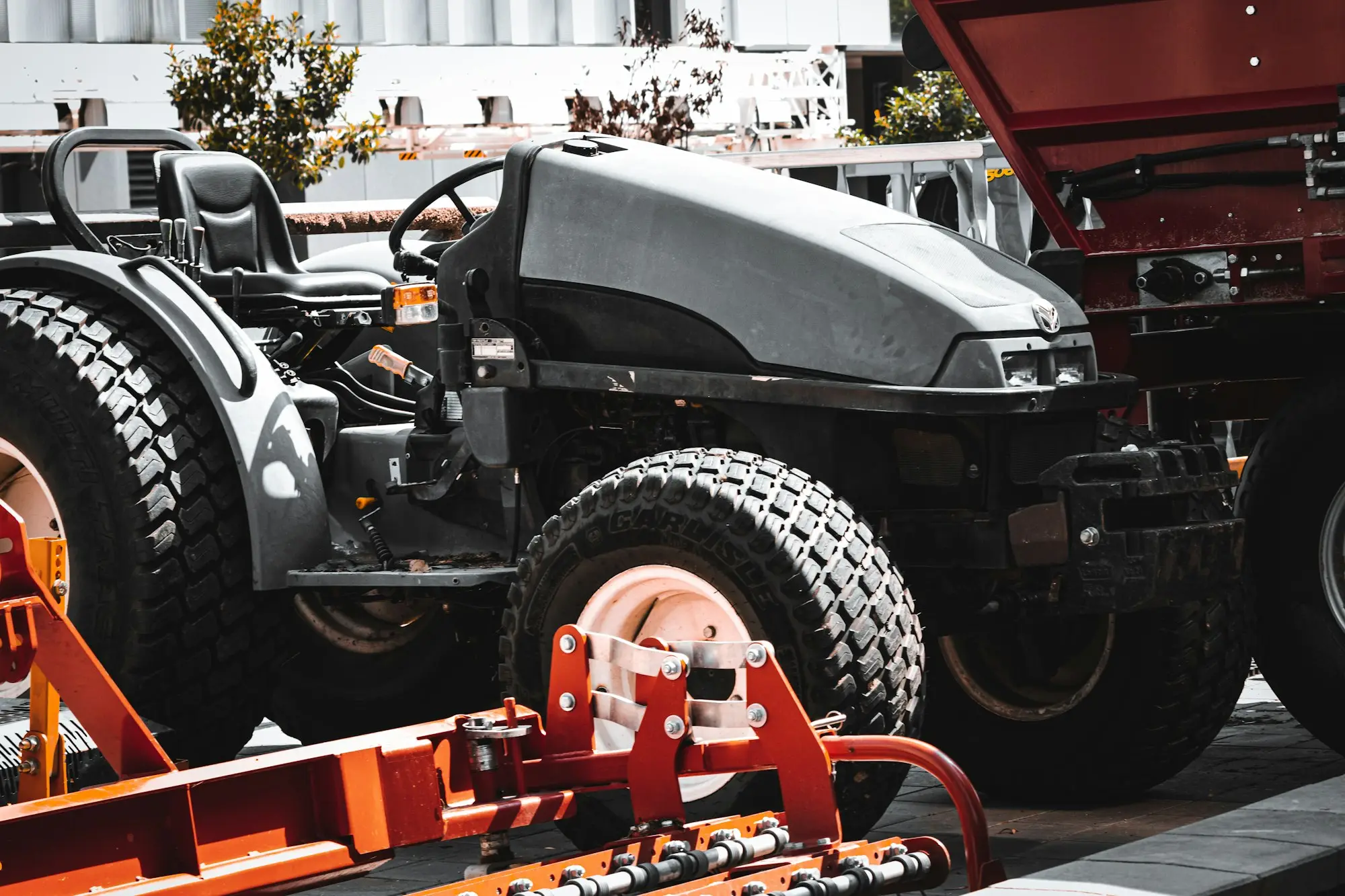
An earthmoving contractor owns six excavators, three tipper trucks and a float, most of them paid off. On paper the business is solid. In the bank account it’s thin, because a large civil job pays on 60-day terms and wages fall due every week. The wealth is real; it’s just parked in steel. Sale and leaseback is one way to move some of it back into cash without parking a single machine.
How does sale and leaseback work?
- Choose the assets. You nominate equipment or vehicles your business owns, ideally outright or with modest finance owing.
- Valuation. The financier values each asset, sometimes from a list of makes, models and hours, sometimes with an inspection.
- Sale. The financier buys the assets at an agreed price. If finance is still owing, that lender is paid out first and its PPSR registration released.
- Lease. You sign a lease (often a finance lease, sometimes an operating lease) and keep using the same assets without interruption.
- Cash. The balance lands in your account. The assets never leave your yard.
From the customer’s or site manager’s point of view nothing changes. The difference is on your balance sheet: an owned asset becomes a leased one, and a lump of cash appears.
Which assets can be sold and leased back?
| Asset | How financiers view it |
|---|---|
| Trucks, prime movers, trailers | Popular; deep resale market for mainstream makes |
| Excavators, loaders, dozers and other yellow goods | Popular; value depends on hours and service history |
| Fleet cars, utes and vans | Common with fleet lessors; usually newer vehicles only |
| Forklifts and warehouse equipment | Possible; smaller values per item |
| Manufacturing and processing plant | Case by case; specialist or fixed plant is harder to value |
| Fit-outs, software, leasehold improvements | Rarely; little resale value |
Fleet and asset lessors publish their own limits. FleetPartners, for example, lists sale and leaseback for owned vehicles under four years old, and SG Fleet offers it on trucks and mobile plant such as forklifts and excavators, according to their websites as at October 2026 (see our profiles of FleetPartners and SG Fleet). ORIX Australia lists it among its leasing products too.
How much cash will you actually release?
Less than many owners expect, for two reasons.
First, financiers value conservatively. They’re buying an asset they may one day have to repossess and sell, so they lean towards what it would fetch at auction rather than what a dealer would ask, and well below what you originally paid.
Second, anything owing is deducted. If a loader is valued at $140,000 and $55,000 is still owing on it, $85,000 is the most that loader contributes.
A useful early step: list each asset with its make, model, year, hours or kilometres and any finance owing. That one-page schedule speeds up any valuation and lets you see quickly whether the numbers are worth pursuing.
Have equipment that’s paid off but cash that’s tight? Send us a quick outline and we’ll tell you what may be possible. There’s no credit check for asking.
The tax and GST side of selling
Because this is a genuine sale, it can trigger tax events that a loan wouldn’t:
- Balancing adjustment. When you sell a depreciating asset, the sale price is compared with its written-down tax value. If you sell above that value (common with well-kept trucks and machinery that have been written down quickly), the difference is generally assessable income in that year. Assets in a small business pool follow the pool rules instead.
- GST on the sale. Once you’re registered for GST, selling business assets is usually a taxable supply, so GST is included in the price and payable on your BAS. The financier can generally claim it back.
- GST on the rentals. Lease payments include GST, which you can usually claim as a credit.
- Lease deductions. Rentals for assets used in the business are generally deductible, replacing the depreciation you used to claim.
The net effect can be neutral, helpful or costly depending on timing and the assets involved. Ask your accountant to model it before you sign anything.
Sale and leaseback or a loan against the assets?
The closest alternative is an asset-backed refinance: you keep ownership and borrow against the equipment through a chattel mortgage, and the lender records a security interest on the PPSR. It can release similar cash without a sale, so no balancing adjustment and no change in ownership.
| Sale and leaseback | Asset-backed refinance | |
|---|---|---|
| Who owns the asset afterwards | Financier | You |
| Tax event on day one | Possible, from the sale | None from the borrowing itself |
| Ongoing deductions | Lease rentals | Depreciation plus interest |
| Back to full ownership | Pay a residual, if the lease allows | When the loan is repaid |
| Who offers it | Fleet and asset lessors, some banks | Asset lenders, some banks |
Which wins depends on the assets, your tax position and the offers on the table. Our sale and leaseback vs business loan comparison works through the decision, and asset finance covers the borrowing route. If you’d consider selling outright instead, read business loan vs selling assets.
Who is it for?
Sale and leaseback suits businesses that are asset-rich and cash-light: transport operators, earthmovers, civil contractors, farmers and fleet-heavy service businesses. It works best when the cash has a clear job, such as working capital for a growth phase, paying down expensive short-term debt or funding a large contract.
It suits less well if the assets are old, highly specialised or already heavily financed, or if the sale would trigger a large tax bill. Businesses that own property have another route: borrowing against it, through something like a caveat loan for short gaps or a longer secured loan. Had a knock-back from your bank? Our declined by the bank guide maps out what to try next.
What do you want your equipment to fund?
The machines in your yard have already earned their keep. Putting some of their value back into the business can carry you through a slow-paying contract or fund the next stage of growth, as long as the numbers and the tax work out. We can help you compare sale and leaseback with borrowing against the same assets.
Plan on around sixty seconds for the form. Your credit score isn’t affected by enquiring, and we’re not in the business of scattering your details across dozens of lenders. A person on our team reads your asset list and your situation, then calls to discuss what’s realistic. Please list the assets and any finance owing on them as accurately as you can; precise figures save a round of back-and-forth.
Frequently asked questions
What is a sale and leaseback?
It's a transaction where a business sells assets it owns, such as trucks, machinery or fleet cars, to a financier and immediately leases them back. The business gets a lump sum and keeps using the assets, paying rent over an agreed term.
How much money can I raise with a sale and leaseback?
It depends on the financier's valuation of each asset, which is often a conservative, resale-based figure rather than the original price or the book value. Newer assets from mainstream brands release the most. Any finance already owing on the assets is paid out first from the proceeds.
Can I do a sale and leaseback on equipment that still has finance on it?
Often, yes. The new financier pays out the existing lender at settlement and releases its PPSR registration, then pays you the balance. The cash you receive is the valuation less what was owing.
Do I pay tax on a sale and leaseback?
Possibly. If the sale price is higher than the asset's written-down tax value, the difference is generally assessable income. If it's lower, you may get a deduction. GST is usually payable on the sale if you're registered, and you can generally claim GST credits on the lease rentals. Get your accountant to model it before you sign.
Can I get my assets back at the end?
That depends on the lease. A finance lease usually has a residual you can pay to take ownership again. An operating lease may only give you the option to return or extend. Ask which structure is on offer.
Is sale and leaseback available for business property?
Yes, but it's a different market. Selling premises to an investor and leasing them back usually runs through commercial real estate agents, with long leases of many years. This page focuses on equipment and vehicles.