Quick answer
Darling Downs businesses can borrow from banks, agribusiness lenders, non-banks, fintechs and private lenders, secured or unsecured. Lenders know the region for grain, cotton, cattle feedlots and meat processing, with energy work in the Surat Basin and freight around Toowoomba. Cash flow follows the seasons, so lenders read a full year of income. Businesses outside Toowoomba may qualify for Queensland's 1% regional payroll tax discount, while Toowoomba city generally doesn't.
Key points
- Cattle production and meat processing form the region's biggest food value chain, with feedlots spread across the Downs
- Queensland's regional payroll tax discount follows ABS regions: Darling Downs – Maranoa is eligible, but the separate Toowoomba region isn't listed
- Harvest timing means income can arrive in two or three large lumps a year, which lenders handle with seasonal structures
- QRIDA runs First Start, Sustainability and disaster loans for eligible primary producers, alongside commercial lenders
- Land registry
- Titles Queensland
- Payroll tax threshold
- $1.3m annual wages
- State farm lender
- QRIDA
- Enquiry range
- $5k to $5m, business purposes only
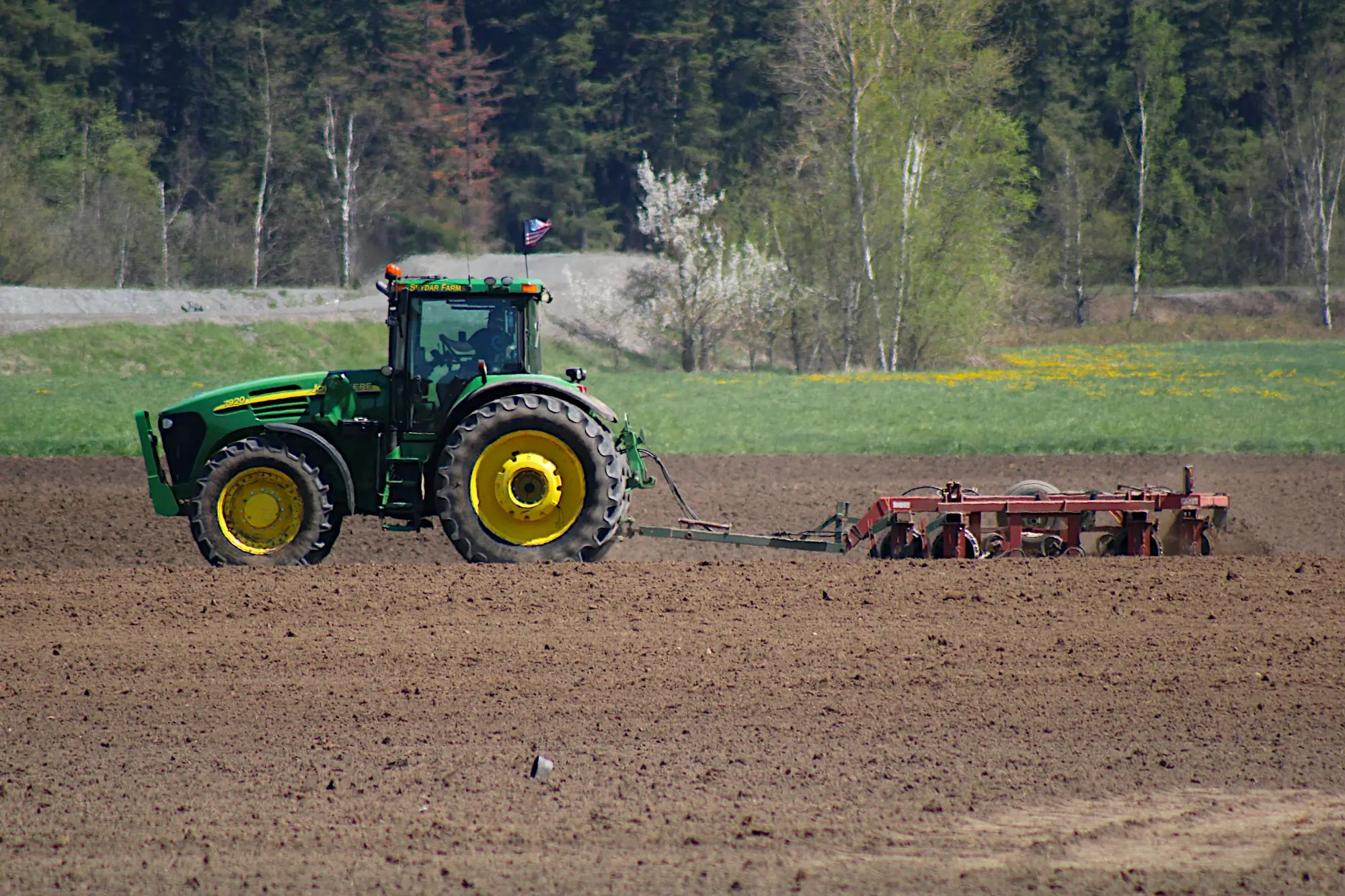
For a grain grower near Pittsworth, the year’s income can land in a few big cheques: winter crop in late spring and early summer, sorghum or cotton from autumn, maybe some cattle sold in between. Bills don’t wait for those cheques. Fuel, seed, chemicals, wages, lease payments and machinery repayments run all year. Most Darling Downs borrowing, on farm or in town, is really about bridging the gap between those two rhythms.
What follows is a lender’s-eye view of the Downs, stretching from Toowoomba west to Dalby and Chinchilla, south to Warwick, Stanthorpe and Goondiwindi. We have no office on the Downs, or anywhere else locally; our team works nationally, by phone and online.
What lenders know about the Downs
Credit teams that lend regularly in Queensland tend to group Darling Downs businesses into four buckets.
Broadacre cropping. Wheat, barley, chickpeas, sorghum and cotton on some of Australia’s best black soils. Income is big but irregular and depends on rain, prices and timing.
Cattle, feedlots and processing. The Queensland Government identifies cattle production and meat processing as the region’s highest-value food chain, worth more than $1b a year, and feedlotting has grown alongside it. Feedlots, livestock carriers, feed mills and abattoir contractors all hang off that chain.
Energy. Around Dalby, Chinchilla and Miles, coal seam gas and, more recently, large solar and wind projects bring work for civil contractors, transport operators, accommodation providers and trade services.
Towns and services. Toowoomba, Warwick, Dalby and Goondiwindi have the retail, health, trades, hospitality and professional firms you’d find anywhere, often with a farm-linked customer base.
Seasonal cash flow and how lenders handle it
Lenders don’t penalise a business for being seasonal. They penalise surprises. A farm or ag contractor that can show three years of income, explain a poor season and set out expected yields for the next one is far easier to fund than one presenting a single strong year.
Structures that suit the seasonal pattern:
- Seasonal or annual repayments on equipment finance, so machinery payments line up with harvest income.
- A business line of credit drawn down for planting and inputs, then repaid after harvest.
- Livestock or stock finance for feeders and traders who buy cattle months before they sell.
Our page on business loans for seasonal businesses covers how to present irregular income, and the guide to financing farm machinery goes into headers, planters and sprayers.
Got a machine, a stock purchase or a gap before harvest to cover? Fill in our quick enquiry; it takes a minute or so and your credit file isn’t looked at.
The payroll tax line between Toowoomba and the rest of the Downs
Here’s a detail that catches out growing employers. Queensland charges payroll tax once annual Australian taxable wages pass $1.3m. Until 30 June 2030, eligible regional employers get a 1% discount on the rate.
Eligibility follows ABS statistical regions, not council boundaries. The Queensland Revenue Office lists Darling Downs – Maranoa as a regional area, which covers towns such as Dalby, Warwick, Goondiwindi and Stanthorpe. Toowoomba is its own ABS region and doesn’t appear on the list. You must also have your principal place of employment in an eligible region and pay at least 85% of your Queensland wages to employees who live in regional Queensland.
So two similar transport businesses, one based in Toowoomba’s industrial area and one in Dalby, can face different payroll tax bills. Because a credit assessor treats that tax as a fixed outgoing while testing affordability, it’s worth knowing which side of the line you’re on.
Farmland and rural property as security
Rural land is the most common security for larger Downs loans. Lenders and valuers look at:
- soil quality and whether the land is cropping or grazing country;
- water: bores, allocations and on-farm storage;
- improvements such as sheds, silos, yards and houses;
- access, flood exposure and distance to town.
Mainstream banks and agribusiness lenders do most of this lending. Private lenders will sometimes lend against rural land for short terms, typically at a lower share of value. Our guide to using rural property as loan security has more.
Where do QRIDA loans fit?
The Queensland Rural and Industry Development Authority (QRIDA) currently offers First Start loans for new primary producers, Sustainability loans and disaster assistance loans after declared events. These are concessional and come with eligibility tests and assessment times. They often work well alongside a bank or equipment lender rather than instead of one.
Example: a Dalby ag contractor
A hypothetical example, not a real business.
A family-run harvesting and spraying contractor based near Dalby turns over $1.9m, working for about 40 growers across the Western Downs. A good season is forecast, and the business wants a second header ($620k used) before the winter crop harvest starts in October.
Its bank is supportive but wants updated accounts after a weaker year two seasons ago, and approval may take longer than the header’s seller will wait. One sensible structure: a chattel mortgage on the header with seasonal repayments weighted to November through January, plus a short-term facility secured against the family’s house block in town to pay the deposit and hold the deal. Once the bank’s review is done, the short-term facility can be refinanced.
Banks and agribusiness lenders first
The major banks, regional banks and specialist agribusiness lenders are deeply involved on the Downs, and when you meet their criteria they’re usually the cheapest source of finance. Give a bank offer proper consideration.
If you’ve been knocked back, offered less than you need or can’t wait for the bank’s timeline, the declined by the bank page covers what else is available. For the city itself, see our Toowoomba business loans guide.
Before the next season turns, ask the question
Whether you’re timing a header purchase, restocking a feedlot or opening a second shop in Warwick, an early conversation beats a rushed one in harvest week. Our form takes about a minute and asks only what we need to understand your position.
There’s no hit to your credit rating from sending it. We hold onto your enquiry ourselves; it never gets forwarded around the finance industry, and a string of unknown callers won’t follow. One of our people reads through your circumstances and rings for a proper chat. Answer honestly about income across the seasons, existing loans and security; that’s what lets us line up a sensible option at the first attempt.
Frequently asked questions
Does my Darling Downs business qualify for the regional payroll tax discount?
It depends on where you're based and where your staff live. The discount applies when your principal place of employment is in a listed regional area, including Darling Downs – Maranoa, and at least 85% of your Queensland wages go to regional employees. Toowoomba is a separate ABS region that isn't listed, so check your address against the ABS boundaries.
Can I get a business loan secured against farmland on the Downs?
Yes. Banks and agribusiness lenders regularly lend against farmland, and some private lenders will too. Expect a full valuation, and be ready to explain water access, soil type, improvements and your income from the land.
What finance suits buying a header or sprayer before harvest?
Equipment finance or a chattel mortgage is the usual choice, with the machine as security. Some lenders offer seasonal or annual repayment schedules timed to when crop income arrives, which can ease the pressure in the months before harvest.
I'm a contractor in the gas fields around Chinchilla and Miles. How do lenders view me?
Positively when contracts are solid, with the usual questions about how much income comes from one operator and how long the work will last. Invoice finance and equipment finance are common fits for long payment terms and heavy plant.
What is a QRIDA First Start Loan?
It's a Queensland Government loan administered by QRIDA to help eligible new entrants establish a primary production business. It has eligibility criteria and assessment, and can be used alongside commercial finance rather than replacing it.