TruePillars
Online lenderMelbourne
- What they fund
- Unsecured loansEquipment financeSecured loans
- Website
- truepillars.com
- In a sentence
- Marketplace lender funding small business loans and equipment finance.
Quick answer
TruePillars is a Melbourne-based small business lender. As at October 2026 its website lists equipment finance by chattel mortgage, rideshare vehicle finance, a secured business loan of up to $300k against residential property, and trail book loans for finance brokers. It works mainly through accredited brokers and is open to new ABNs for equipment and vehicles. Its investor fund closed in June 2026.
Key points
- Four products as at October 2026: equipment finance, rideshare vehicle finance, a secured business loan and a trail book loan
- Equipment finance considers new ABNs with business or employment continuity, and funds up to 100% of the purchase price
- Secured business loan: up to $300k by second mortgage or $150k by caveat, residential property only, on six months of bank statements
- Applications come largely through accredited brokers, accountants and advisers
- Its retail investment trust closed on 30 June 2026, ending the marketplace model it was once known for
- Lender type
- Online / fintech lender
- Based
- Melbourne
- Products
- Equipment, vehicle and property-secured loans
- Published amounts
- Up to $300k (secured business loan)
TruePillars is a lender whose story has changed more than most. It launched in 2016 as one of Australia’s first marketplace lenders, letting everyday investors bid to fund small business loans. A decade on, that investor side has closed, and what remains is a specialist lender for the jobs many others avoid: equipment for brand-new ABNs, cars for rideshare drivers on visas, and property-backed loans assessed on bank statements alone.
This profile is based on TruePillars’ own website as at October 2026. Its product pages are written mainly for brokers, so confirm current details with TruePillars or your broker before applying.
What changed in 2026
According to its website, a notice of closure went to all investors on 29 June 2026, and the TruePillars Investment Trust closed on 30 June 2026 with capital returned. That ends the peer-to-peer model many older reviews still describe.
For borrowers, the important part is that TruePillars’ four lending products remain listed and its application system is live. If you read an article describing TruePillars as a place where investors bid on your loan, it’s out of date.
The four products
| Product | Key published details | Who it’s aimed at |
|---|---|---|
| Equipment finance | Chattel mortgage, up to 100% of the purchase price (a deposit may be required), terms from 24 months, balloons up to 30% | Trades, transport, construction, hospitality, health |
| Rideshare vehicle finance | Terms up to seven years, nil-deposit options on preferred electric and hybrid models | Rideshare and food delivery drivers |
| Secured business loan | Up to $300k by second mortgage or $150k by caveat; up to five years (two for caveat) | Established businesses with residential property |
| Trail book loan | Up to $200k against a broker’s trail commission, up to five years, monthly principal and interest | Mortgage and finance brokers |
Equipment finance: open to new ABNs
This is TruePillars’ main product, and it’s built for the operator other lenders often turn away: someone who has only just registered an ABN but has done the same work for years. TruePillars says new ABNs are considered where there’s business or employment continuity, and both property owners and non-property owners are accepted. The minimum published credit score is above 450 (Veda, now Equifax).
What it funds:
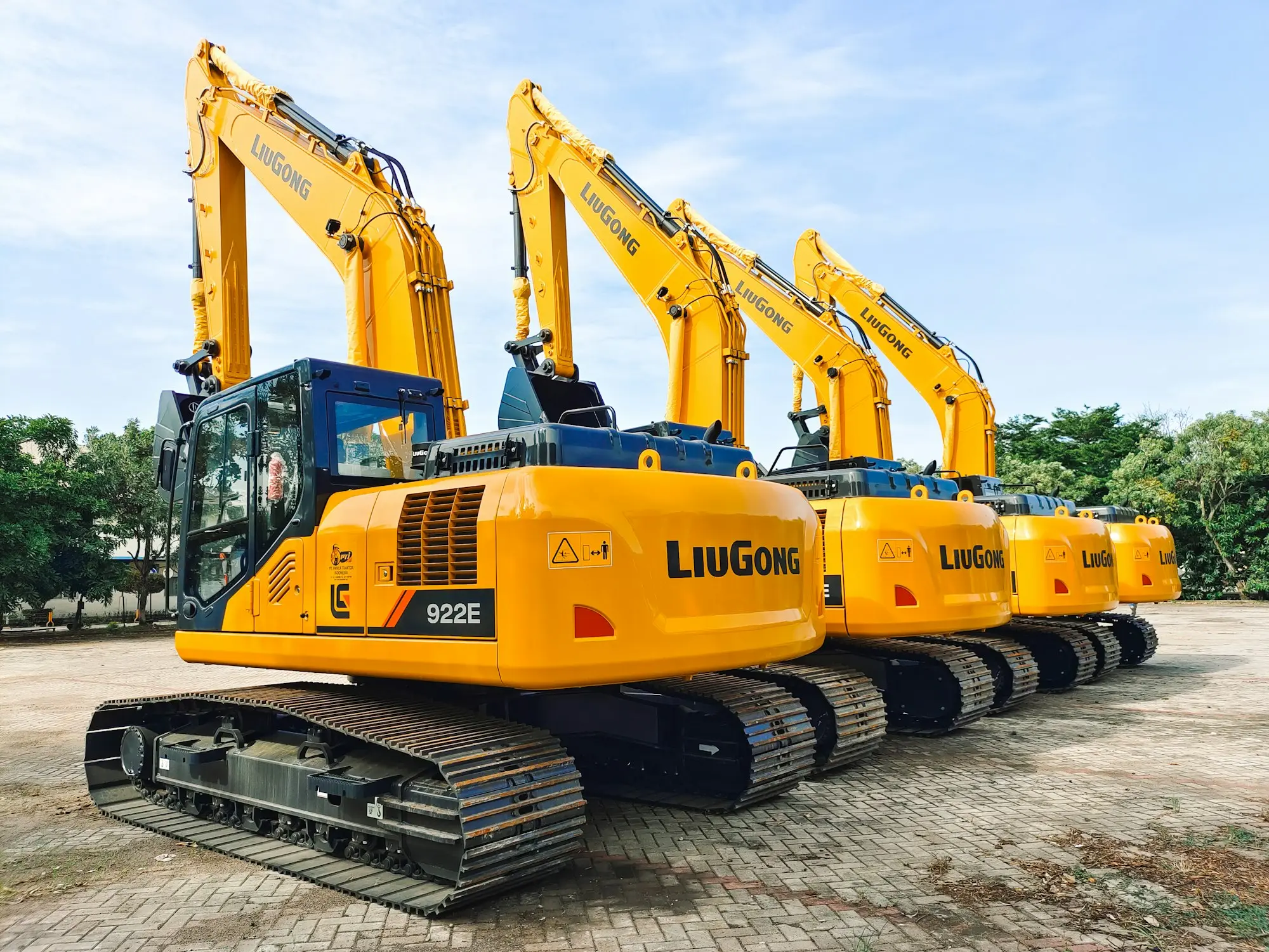
- Primary assets: cars, utes and vans, trucks, trailers, prime movers, buses, forklifts, boom and scissor lifts, non-mining earthmoving gear and agricultural equipment. These can be quite old, with the published limit at up to 30 years by the end of the term.
- Secondary assets (new only): trade tools, earthmoving attachments, and compressors and generators.
- Business equipment across hospitality (kitchen, barista, refrigeration, brewing), IT and point-of-sale, fit-outs, and medical and dental equipment.
The equipment has to be for business use, bought from a verified vendor and identifiable, ideally with a serial number. Sale-and-leaseback isn’t accepted. A balloon of up to 30% lowers the monthly repayment but leaves a sizeable final payment owing; our balloon payment entry and equipment finance calculator show the trade-off in dollars.
Rideshare vehicle finance
A genuinely niche product. TruePillars lends to rideshare and food delivery drivers, including visa holders with work rights and at least two years left on their visa, and new ABN holders. All makes are accepted, with a preference for electric and hybrid vehicles. Private sales are capped at $40k, dealer purchases aren’t capped, and the vehicle can be up to 10 years old by the end of the loan. The published minimum credit score is 550. Our page on rideshare and taxi driver finance covers the wider options.
The secured business loan
For established businesses, TruePillars offers a loan secured against residential property only:
- up to $300k by second mortgage, over up to five years; or
- up to $150k by caveat, over up to two years.
There are no financials required: it assesses on six months of electronic bank statements. You’ll need ABN and GST registration for more than a year and a minimum credit score of 509. If you need more than $300k against property, or a lender that accepts commercial property, private lenders such as EquityTap work across a wider range.
Not sure whether equipment finance or a property-secured loan suits your plans better? Ask our team for a steer; there’s no credit check involved.
Who TruePillars suits, and who it doesn’t
Good fit: a newly self-employed tradie buying a ute or excavator; a hospitality operator fitting out a kitchen; a rideshare driver on a work visa; a business owner with home equity who wants a loan without handing over full financials.
Weaker fit: businesses wanting an unsecured working capital loan or line of credit (it doesn’t list either); anyone needing more than $300k against property; owners with only commercial property to offer; and anyone who wants to apply entirely on their own, without a broker.
Questions to ask
- Across the whole term, how many dollars will I hand back, establishment fee included?
- On equipment finance, does my deal need a deposit, and how big would any balloon be?
- Will the asset be registered on the PPSR, and are personal guarantees required?
- For the secured loan, what valuation will be used, and what are the costs if I repay early?
- How do I apply if I don’t have a broker?
Alternatives worth comparing
- For equipment and vehicles: Dynamoney and Angle Finance both specialise in asset finance.
- For a larger established business: Banjo Loans lends up to $2m, including asset finance, but asks for two years of trading.
- If you’re a very new business: see business loans with an ABN under 6 months.
And remember your bank: if you have a trading history and a solid relationship, a bank’s equipment finance can be very competitive. Get a quote before deciding.
Buying equipment or tapping your home? Let’s find the right lender
TruePillars covers some real blind spots in the market, particularly for fresh ABNs and drivers on visas. Plenty of other lenders work in that space too, though, and which one suits you hinges on what you’re buying, your time in business and whether there’s property in the picture.
Sorting that out is our job. The form asks for roughly sixty seconds of your time, and lodging it leaves your credit report untouched. Nobody on our side forwards your enquiry to a long list of financiers. Instead, one of our team looks over your circumstances personally and phones you. If you describe the asset and your trading time honestly, our first suggestion is much more likely to be the one that works.
Frequently asked questions
Does TruePillars lend to new businesses?
For equipment and rideshare vehicle finance, yes. Its website says new ABNs are considered where there's business or employment continuity, such as an electrician who has just gone out on their own. Its secured business loan is stricter, asking for ABN and GST registration for more than a year.
How much can TruePillars lend on a secured business loan?
As at October 2026, up to $300,000 secured by a second mortgage, or up to $150,000 secured by a caveat. Only residential property is accepted. Terms run up to five years for second mortgages and up to two years for caveat loans, and it assesses on six months of electronic bank statements rather than financials.
What credit score does TruePillars need?
It publishes minimum Veda (now Equifax) scores: above 450 for equipment finance, 509 for the secured business loan and 550 for rideshare vehicle finance. A score above the minimum doesn't guarantee approval.
Can visa holders get TruePillars rideshare finance?
Yes. TruePillars says citizens, permanent residents and visa holders can apply, provided the visa gives the right to live and work in Australia and has at least two years to run. It prefers electric and hybrid vehicles, with nil-deposit options on its preferred models.
Is TruePillars still a peer-to-peer lender?
Not for new investors. TruePillars started as a marketplace where investors funded small business loans, but its website says the TruePillars Investment Trust closed on 30 June 2026 and capital was returned. Its lending products are still listed, and most applications come through accredited partners.
Can I apply to TruePillars directly?
Its application pages are written mainly for brokers, accountants and advisers, who submit on a client's behalf. If you don't have a broker, contact TruePillars to ask how it handles direct enquiries, or speak to a broker who is accredited with it.