Quick answer
Most business equipment is bought with equipment finance secured on the item itself, through a chattel mortgage, hire purchase or finance lease, or rented under an operating lease if you'd rather not own it. Before choosing, check the gear will earn more than its repayments, match the term to its working life, and confirm with your accountant how ownership affects GST credits and the $20,000 instant asset write-off.
Key points
- Test the purchase first: the extra profit or saved cost should comfortably exceed the repayment
- Owning through a chattel mortgage or hire purchase keeps tax deductions with you; a lease gives you rental deductions instead
- Hard assets with a resale market, such as machinery and vehicles, are easier to finance than software or highly customised gear
- A PPSR search before buying second-hand confirms no previous financier still holds security
Equipment is one of the few things a business can borrow for where the purchase helps pay back the loan. A faster machine finishes more jobs; a second excavator stops you turning work away; a new oven cuts power bills and breakdowns. The question isn’t really whether you can get finance. Usually you can. It’s whether this item, at this price, on these terms, leaves you better off each month.
Will the equipment pay for itself?
Run a quick payback test before you speak to any financier. On one side, list what the equipment changes:
- Extra revenue, from jobs you can now take on or deliver faster
- Costs it removes, such as hire fees, subcontractors, overtime, repairs on old gear or wasted materials
- Costs it adds, such as insurance, servicing, operator time, power and consumables
Subtract the added costs from the gains and you have the monthly benefit. Compare that with the likely repayment. If the benefit clearly exceeds the repayment, the equipment is earning its keep. If it only just covers it, you’re betting on everything going right.
This is also how a good lender thinks. Our equipment finance calculator shows repayments across different terms and balloons, so you can see where the numbers start working.
Buy, finance, lease or rent?
| Option | You own it? | Suits | Watch for |
|---|---|---|---|
| Pay cash | Yes, immediately | Small items, strong cash reserves | Draining working capital you may need later |
| Chattel mortgage | Yes, lender holds security | Long-life gear you’ll keep; GST-registered businesses | Balloon at the end, if you choose one |
| Hire purchase | At the final payment | Owners who want a clear path to ownership | GST treatment differs from a chattel mortgage |
| Finance lease | No, option to buy at the end for a residual | Businesses wanting lease deductions | Residual payment you’ll need to fund |
| Operating lease or rental | No | Technology that ages fast, or gear needed for one project | You pay more in total and must hand it back in good order |
Business.gov.au’s own comparison is a fair summary: leasing makes budgeting simpler and may cost more overall, while buying usually costs less in the long run but leaves repairs to you. Our head-to-head on leasing vs buying equipment goes further, and equipment finance vs paying cash covers the case for keeping your cash.
How does ownership affect tax?
This is where structure matters, so check the detail with your accountant.
- GST. Under a chattel mortgage, a GST-registered business generally claims the GST in the purchase price on its next BAS, even though the lender funded it. Under a lease, GST is included in each payment instead.
- Depreciation and the write-off. If your business owns the asset for tax purposes, it claims depreciation. Per the ATO, the $20,000 instant asset write-off no longer has an end date: since 1 July 2026 it’s a standing concession, tested asset by asset, for small businesses whose aggregated turnover is below $10m. Anything priced at $20,000 or above is normally depreciated through the simplified pool instead.
- Lease payments. If the financier owns the equipment, you usually deduct the lease payments rather than depreciation.
A common mistake is to buy something just to claim a deduction. A deduction only returns your tax rate on the spend. The equipment still needs to earn its keep.
Got a supplier quote in hand? Run it past us: sixty seconds of form-filling, and your credit file is left alone at the asking stage.
Which assets do lenders like best?
Equipment financiers lend against the asset, so the question at the back of their mind is the resale price if the loan went bad. In rough order from easiest to hardest:
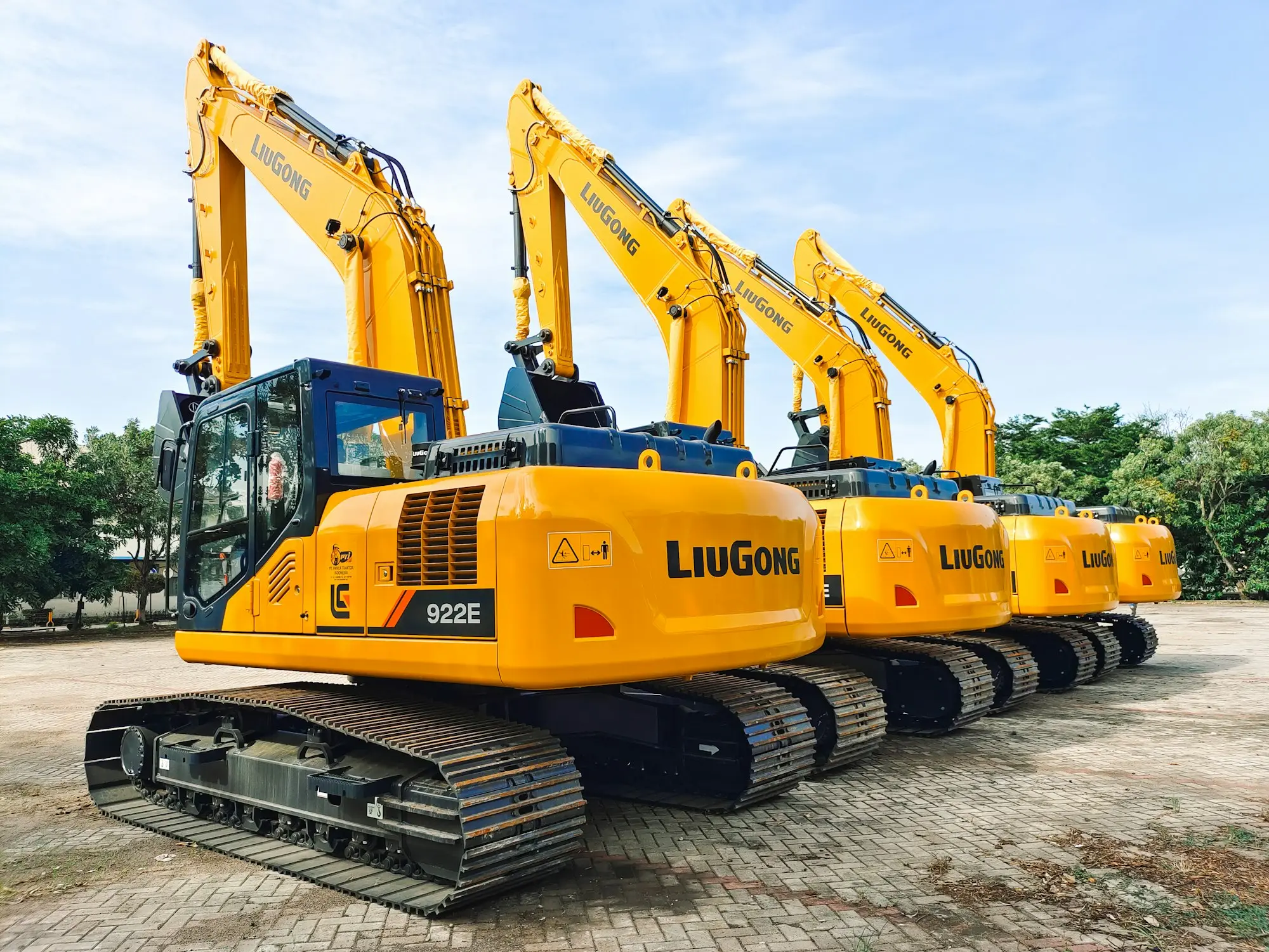
- Vehicles, trucks and yellow goods such as excavators and loaders, with deep resale markets
- Mainstream machinery and tools from known brands, such as forklifts, compressors and CNC machines
- Medical, dental and hospitality equipment, well understood by specialist lenders
- IT, phones and office technology, which date quickly and are often leased rather than financed
- Software, installation costs and highly customised gear, which have little or no resale value
Items lower down the list may need a deposit, a shorter term, a lease rather than a loan, or support from other security. Bundling installation and training into the finance is sometimes possible, but lenders cap how much soft cost they’ll accept alongside the hard asset.
Buying second-hand
Used equipment can save a great deal, and many lenders will fund it. Before you hand over money:
- Run a PPSR check. A search of the national register, using the serial number, reveals any financier with a registered interest in that item. Buying encumbered gear from a private seller can mean the financier repossesses it from you.
- Get an inspection or service history for anything with an engine, hydraulics or electronics.
- Expect shorter terms for older items. Lenders often want the loan repaid well before the gear reaches the end of its useful life.
- Favour dealers and auctioneers over private sellers when you can, since a proper tax invoice makes the lender’s job simpler.
Worked example: a joinery workshop buys a CNC router
An illustration only. A cabinet-making business with six staff and three years of trading spends about $5,500 a month outsourcing panel cutting. They locate a new CNC router for $165k including GST and installation.
The payback test:
- Outsourcing saved: $5,500 a month
- Extra jobs they can quote, conservatively: $2,000 a month in added profit
- Added costs (power, tooling, servicing, insurance): about $1,200 a month
- Monthly benefit: roughly $6,300
On a five-year chattel mortgage with a modest balloon, the repayment comes in comfortably below that figure. The business claims the GST of $15k on its next BAS, which goes back into working capital. At $165k the router sits well above the write-off threshold, so the accountant depreciates it through the pool over several years.
Their bank offered to fund it but needed a few weeks. The supplier’s finance partner approved within days on similar terms, which let them secure the machine before a price rise.
When the bank says no
Banks are often the cheapest equipment lenders, especially for businesses that already bank with them, so it’s worth getting their offer. If they decline because the business is new, the equipment is used or the credit file has a blemish, specialist equipment financiers and non-bank lenders often see the asset differently. Our list of non-bank business loans and the guide to business loans with bad credit explain the options.
Buying something heavier? See finance for buying machinery, buying vehicles and buying trucks.
Let’s get the right equipment working
Good equipment makes a business faster, cheaper to run and easier to grow. The finance should be just as practical: matched to the asset’s life, structured for your tax position and sized so the gear pays its way from the first month.
Our enquiry takes about sixty seconds. It’s a soft first step, with no credit check while you’re simply finding out. Nor do we broadcast your enquiry to a string of financiers. Someone on our team, a person rather than a scoring engine, looks over the purchase and rings you. Accurate figures on price, supplier and turnover help us bring up a suitable structure at the first attempt.
Frequently asked questions
What is the best way to finance business equipment?
It depends on whether you want to own it, how long it will last and your tax position. A chattel mortgage suits owners who want the asset on their books and the GST credit upfront. An operating lease suits equipment that dates quickly or that you plan to replace regularly. Hire purchase and finance leases sit in between.
Can I claim the instant asset write-off on financed equipment?
Often, yes, if your business is the owner for tax purposes, as it generally is under a chattel mortgage or hire purchase. The write-off applies to eligible assets costing less than $20,000 each for small businesses with aggregated turnover under $10m. Leased equipment is usually owned by the financier, so you claim the lease payments instead.
Can I finance second-hand equipment?
Yes. Many lenders fund used equipment, particularly from dealers or auctions and for well-known makes. Older or specialised items may need a deposit or a shorter term. Always do a PPSR search before buying privately.
Do I need a deposit for equipment finance?
Not always. Established businesses buying mainstream equipment can often finance the full price. New businesses, specialised items or second-hand gear may need a deposit or a trade-in to reduce the lender's exposure.
Is supplier finance cheaper than going to a lender?
Sometimes. Manufacturers and dealers occasionally subsidise finance to sell equipment, but the price of the equipment may reflect that. Compare offers on the total amount you'll pay in dollars, including fees and any balloon.