Quick answer
Yes, in most cases. The $20,000 instant asset write-off is about who owns and uses the asset, not how it was paid for, so equipment bought on a chattel mortgage or hire purchase can usually be claimed in full in the year it is first used. A finance lease generally can't, because the lessor owns the asset. The $20,000 limit applies to each asset's whole cost, and the asset must be installed and ready for use by 30 June.
Key points
- Financing an asset doesn't cost you the write-off if you own it under a chattel mortgage or hire purchase
- The asset must be first used or installed ready for use by 30 June, so a purchase order or deposit before year end isn't enough
- The $20,000 test applies to the whole cost of each asset, even when you only claim the business-use share
- Assets over the threshold usually go into the small business pool instead of being written off at once
- A deduction reduces tax, it doesn't create cash, so size the repayments before the tax saving
Every year, somewhere around May, the same conversation happens in accountants’ offices. An owner has a quote for a new machine, a deadline of 30 June is looming, and they ask two questions at once: can I claim it, and can I finance it without losing the claim?
The short version is that finance and the write-off get along fine, provided you pick the right type of finance and respect a few rules that are easy to trip over. This guide walks through how the two fit together, using the position as at October 2026.
How does the write-off work?
It is a tax rule for small businesses. Normally, when you buy equipment you deduct its cost slowly through depreciation over its effective life. Under the instant asset write-off, an eligible asset that costs less than the threshold is fully deductible in the income year you start using it, or have it installed and ready to go.
The threshold is $20,000 per asset, open to small businesses whose combined group turnover is below $10 million. The measure has been extended repeatedly in recent years, and the government’s 2026–27 Budget announced it as a permanent feature for small businesses from 1 July 2026. Because tax law is amended often, confirm the current legislated position on the ATO site or with your accountant before you rely on it for a big purchase.
Three things surprise people:
- It is per asset, not per year. You can claim it on as many separate eligible assets as you buy, each under the threshold.
- It is a timing benefit. You get the same total deduction either way, just sooner. The cash saving is the tax you don’t pay this year.
- It is not cash. A $19,000 write-off saves you tax at your marginal or company rate, not $19,000.
Does financing the asset affect the write-off?
This is where owners worry unnecessarily. The write-off follows ownership and use, not payment. What matters is who holds the asset for tax purposes, and the date it first went into service.
| Finance type | Who owns it for tax purposes | Write-off available? |
|---|---|---|
| Cash purchase | You | Yes, if eligible |
| Chattel mortgage | You; the lender takes security over the asset | Generally yes |
| Hire purchase | Treated as yours for tax from the start | Generally yes |
| Finance lease | The lessor | No, but lease payments are generally deductible |
| Operating lease | The lessor | No, but lease payments are generally deductible |
| Unsecured business loan used to buy the asset | You | Yes, if eligible |
The practical consequence is that if the write-off matters to your decision, a chattel mortgage or hire purchase keeps it alive while preserving your cash. Our leasing vs buying guide covers the lease side of the choice.
Treatment still turns on how the contract is worded, so let your accountant read the draft before you sign. Ten minutes on the phone costs less than amending a return.
What counts toward the $20,000?
This is the first of three traps that catch people out.
The whole cost of the asset counts. The ATO is explicit that a part-business-use asset is tested on its full cost, not the business share. A $40,000 ute used 40% for business doesn’t qualify merely because the claim would be $16,000.
Add-ons can push you over. The cost generally includes what it takes to get the asset into use: delivery, installation, and attachments that are part of the purchase. A $17,500 machine with $3,200 of freight and commissioning is a $20,700 asset.
GST depends on your registration. Where you can claim the full GST credit, the GST is stripped out of the cost for this test. If you can’t, it stays in. A $21,000 invoice could therefore be an eligible $19,091 asset for one business and an ineligible $21,000 asset for another.
A more favourable trap is bundling. Several separate items bought in one order may each count as a separate asset, provided each can be used on its own. A commercial kitchen fit-out might contain a $6,000 cool room, a $4,800 oven and an $8,500 dishwasher, each assessed individually. Your accountant will know where the line sits for your particular purchase.
When must the asset be ready to use?
The second trap is timing, and it is the one that costs real money in late June.
The deduction lands in the income year when the asset first goes into service or is installed and ready. For the 2026–27 year, that means by 30 June 2027. It isn’t enough to have:
- signed the finance contract
- paid a deposit
- placed an order with a supplier
- been told delivery is “next week”
Equipment that is sitting in a depot on 30 June, or a ute that is still being fitted with a tray and toolboxes, may fall into the following year. Anyone relying on a June claim should get the delivery date and the installation date in writing from the supplier, and leave a margin. Suppliers’ end-of-year queues are a real thing, and so are supply-chain delays.
Finance approval also takes time. For standard equipment finance with complete documents, approvals can come quickly, but complex or used-asset deals take longer. If June is your target, apply in May. Our equipment finance calculator is useful for checking repayments before you commit.
What if the asset costs more than $20,000?
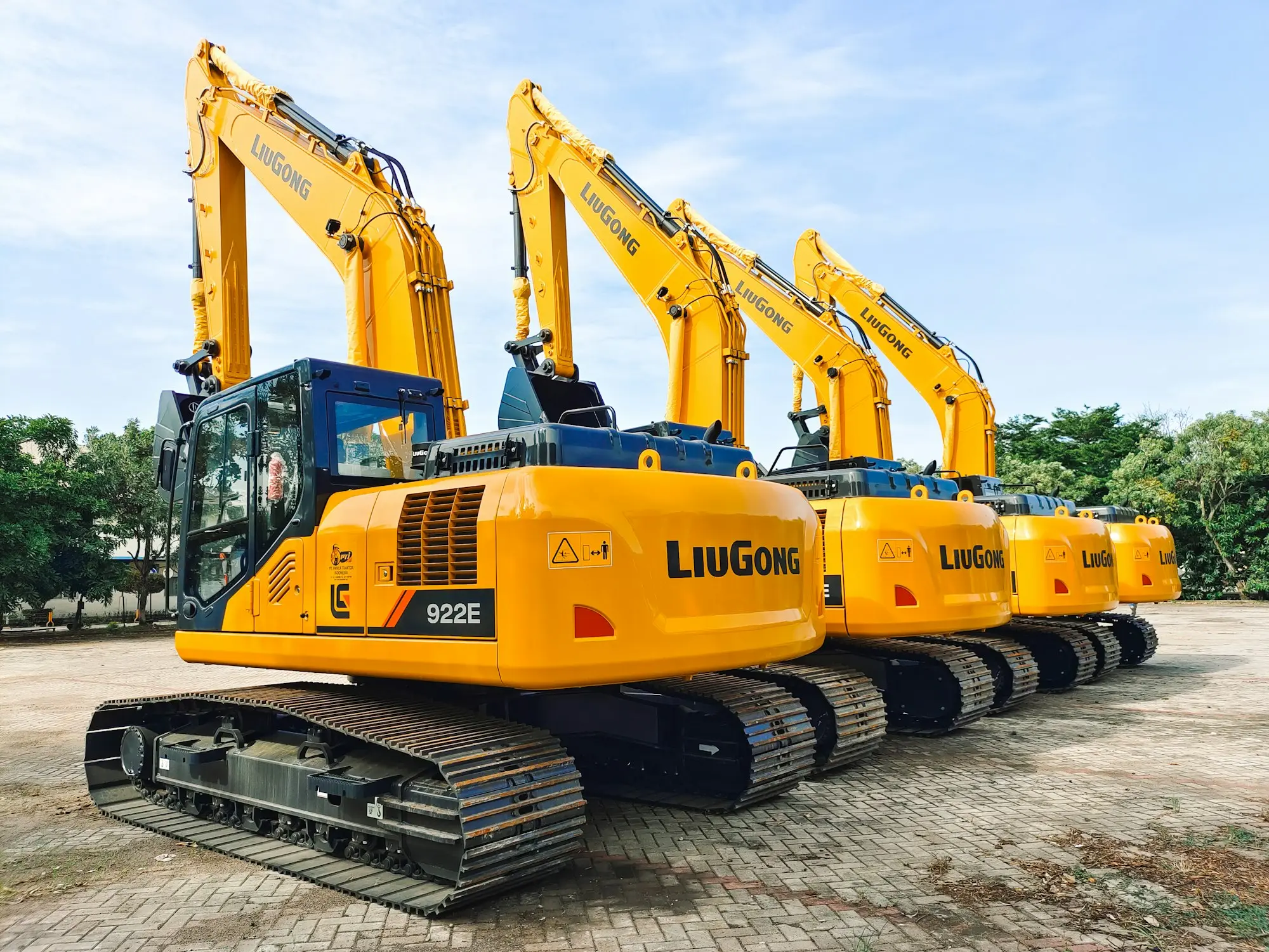
Most equipment that matters costs more than $20,000. A woodworking CNC, an excavator, a refrigerated van or a dental chair can all sit well above the line.
These assets aren’t left without a deduction. A small business can usually put them in the small business pool, which the ATO sets up to depreciate faster in year one and more slowly afterwards, with the pool’s combined balance written off once it falls under the threshold. The pool is a good option, but it spreads deductions rather than delivering one lump.
Two cautions here. First, once you choose simplified depreciation, the pool rules apply to your depreciating assets generally, and leaving them has consequences, so this is a decision for your accountant, not a spur-of-the-moment one. Second, cars have their own limit: for 2026–27, the ATO’s car limit is $69,883, and the maximum GST credit available on a car is $6,353. A vehicle costing more than that is still depreciated, but only up to the limit.
A work vehicle isn’t always a “car” for these rules. Under the tax definition, a car is a vehicle built for under a tonne of load and fewer than nine seats. Some dual-cab utes sit right on that line, so check the payload on the compliance plate and talk to your accountant. We cover the practical side in how to finance a work ute.
An illustrative example
Imagine a landscaping company in Perth that needs a second ride-on mower and trailer package. The quote is $19,400 plus GST, delivered, and the business is registered for GST.
- The GST-exclusive cost is $19,400, so under the threshold.
- The owner funds it with a four-year chattel mortgage and a modest deposit.
- The equipment arrives on 14 June and is in use the same week.
- The business claims the full $19,400 as a deduction in that income year, and also claims the GST credit as the paperwork allows.
Now suppose the supplier adds $900 for installing a custom mount, and the invoice ex-GST is $20,300. The package is over the line. The business can still depreciate it, but it can’t take the entire amount at once. A phone call before ordering, asking whether the mount can be quoted as a separate, separately usable item, could have changed the outcome. That is the type of detail a good accountant earns their fee on.
Notice also what hasn’t happened: the owner hasn’t paid $19,400 up front. They’ve kept their working capital while claiming the whole deduction.
Is the tax saving worth chasing?
A tax deduction is a discount, not a gift. If a business pays company tax on its profits, a $19,000 deduction reduces tax by a fraction of that figure, and the remainder is real money that has left the business. A business with a loss year doesn’t benefit from the deduction in the same way at all, because there is no profit to shield (though a loss can be carried forward).
So test the purchase in this order:
- Will the equipment earn or save more than it costs, over its working life?
- Can the business comfortably carry the repayments in a slow month?
- Then, and only then, what does the tax treatment add?
If you can answer yes to the first two, the write-off is a welcome bonus. If the purchase only makes sense because of the deduction, wait. Our equipment finance vs paying cash comparison helps weigh up spending cash against borrowing for the same asset.
What do lenders check on a financed asset?
Equipment financiers lend against the asset itself, so they focus on the machine and the business’s ability to carry repayments. Typically they look at:
- the supplier’s invoice or quote, including what the asset is and its serial number where available
- your ABN and how long the business has traded
- recent bank statements or BAS showing what comes in
- the type of asset, its age and its resale market
- for older or specialised assets, an independent valuation
If you’re newer to business, our guide on equipment finance for new businesses explains how lenders weigh the first year of trading. A bank that knows your business will often have the lowest-cost option, and it is worth asking them first. If you’ve been declined, or the asset is unusual, equipment finance with bad credit covers the alternatives.
Before you commit to the 30 June deadline
The write-off rewards owners who plan. Check the cost against the threshold, confirm the finance type keeps the asset in your name, get delivery and installation dates in writing, and let your accountant see the contract. The decision to buy should rest on the asset’s earning power, with the tax treatment as a bonus.
Got a quote in hand and a deadline on the calendar? Send us the details. Asking costs you one short form and no credit check, so your file stays untouched. Your enquiry goes to us alone, not out to a crowd of lenders, which means no ringing phone from strangers. A person on our team reads what you’ve told us and calls to talk through structure and timing. Put in the real price, the delivery date and how long you’ve been trading, so the first option we raise is one that actually fits.
Frequently asked questions
Can I claim the instant asset write-off if I buy equipment on finance?
Generally yes, if you are the owner for tax purposes. A chattel mortgage and a hire purchase both leave you using and effectively owning the asset from day one, so an eligible asset costing under $20,000 can be deducted in the year it is first used or installed ready for use, even though you are still paying it off. Your accountant should confirm how your particular contract is treated.
Does the $20,000 limit include GST?
If you are registered for GST and can claim a full credit, the cost is measured without the GST. If you aren't registered, or can't claim the credit, the GST-inclusive cost is what counts. That difference can decide whether a $21,500 invoice is under or over the threshold, so check it with your accountant before you sign.
What happens if the asset costs more than $20,000?
The asset can't be written off in one go, but small businesses can usually put it into the small business pool. The ATO describes the pool as depreciating at a faster first-year rate and a lower rate each year after. You still get a deduction, only spread over several years rather than all at once.
Can I claim a write-off on a second-hand asset?
Yes. The rule looks at the cost and when you first used it, not whether it was new. A used compressor, trailer or coffee machine under the threshold is eligible on the same terms as a new one. Used assets are covered in more detail in our guide to financing used equipment.
Is a ute or van eligible?
It can be, but the whole purchase price has to be under $20,000, even if you only use the vehicle partly for work. The ATO's own example of a $40,000 ute used 40% for business fails the test even though the business share is only $16,000. Cars are also subject to a separate car limit.
Should I buy something just to get the write-off?
Rarely. A deduction returns only a portion of what you spend, in the form of lower tax, so the asset has to earn its keep. Buy because the equipment pays for itself, then let the tax treatment be a welcome extra, not the reason.