Quick answer
Launceston businesses can borrow from banks, Tasmanian and mainland non-bank lenders, fintechs and private lenders. Two Tasmanian details matter: payroll tax has two thresholds, with wages above $2m taxed at a higher rate, and not every land dealing can yet be lodged electronically, which can affect timing for property-secured loans. Local lending often centres on food, wine, tourism, health and Tamar Valley industry.
Key points
- Tasmanian payroll tax runs on two steps: nothing up to $1.25m in wages, 4% between $1.25m and $2m, and 6.1% above $2m
- The Land Titles Office lists mortgages, discharges and transfers for electronic lodgment, but not caveats, so ask any caveat lender how and when it will lodge
- Launceston has been a UNESCO City of Gastronomy since 2021, and food, wine and hospitality businesses make up a big share of local borrowing
- Wine and spirits producers carry stock for years, which suits stock or inventory finance rather than short-term loans
- Land registry
- Land Titles Office (Recorder of Titles), Tasmania
- Payroll tax
- $1.25m threshold; 4% to $2m, 6.1% above
- Free business help
- Business Tasmania
- Enquiry range
- $5k to $5m, business purposes only
Most business finance guides are written with Sydney or Melbourne in mind, and they skip the Tasmanian details. In Launceston, those details can change your numbers and your timeline. Payroll tax works differently here, with a second, steeper step once wages pass $2m. Property security doesn’t always move at mainland speed, because Tasmania’s switch to electronic land dealings is still being rolled out instrument by instrument. And the local economy, built on food, wine, tourism, health, education and the industrial corridor down the Tamar, gives lenders a distinct picture to read.
Here’s what a Launceston owner should know before applying. As with all our location pages, this one is written by a national team. There’s no Launceston office behind it.
How do lenders see Launceston’s economy?
Launceston is Tasmania’s second city and the commercial centre for the north. Lenders typically break it into a few clusters:
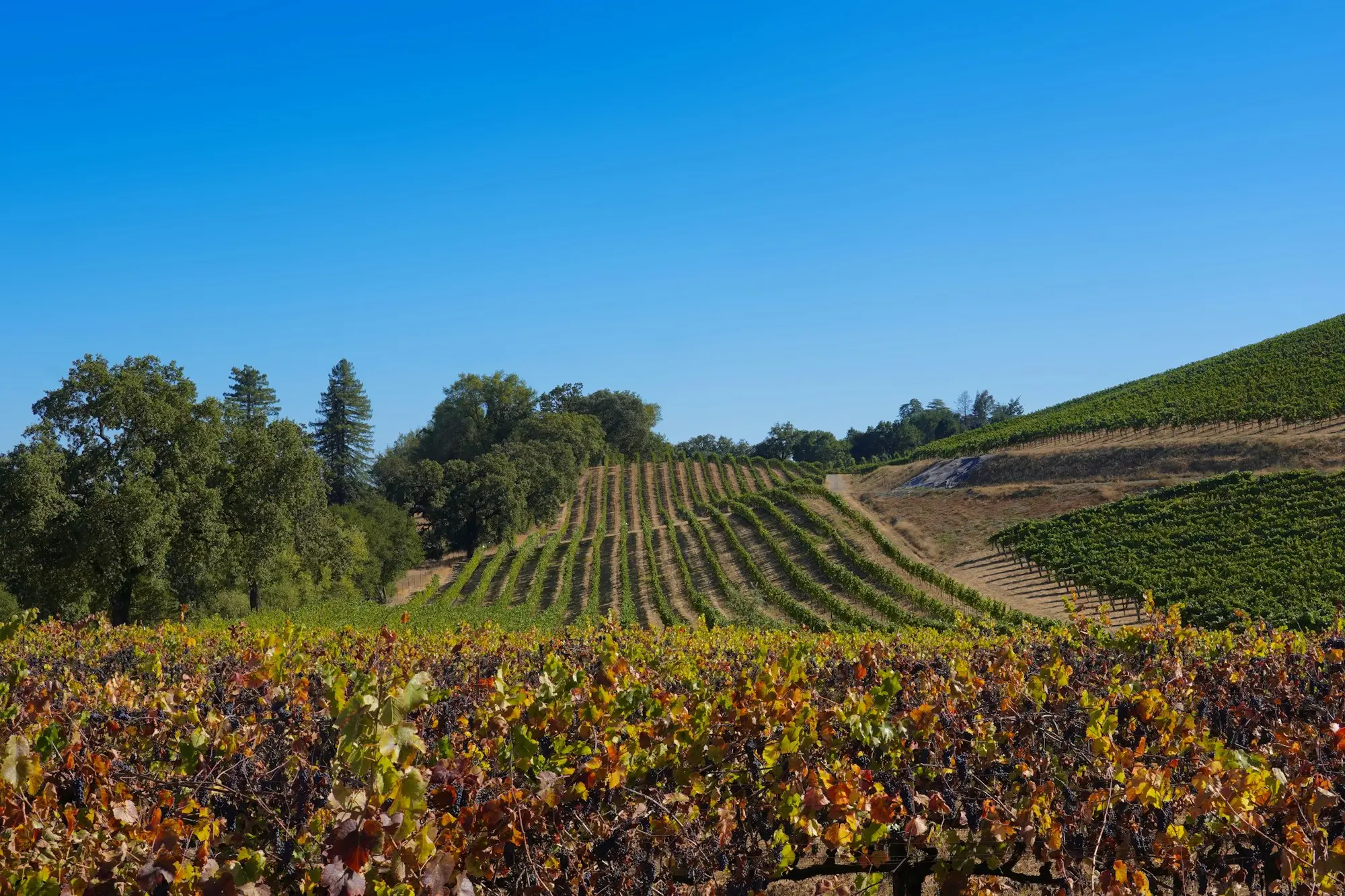
- Food, wine and hospitality. Backed by its northern neighbours, Launceston was named a UNESCO City of Gastronomy in late 2021, and the Tamar Valley is known for cool-climate wine, particularly sparkling. Producers, restaurants, cafés and food makers form a big slice of small business borrowing.
- Industry along the Tamar. Bell Bay, about 45 kilometres downriver, hosts the state’s largest industrial precinct, including the aluminium smelter. In November 2025 the state government formed a Bell Bay Response Team to support jobs and confidence in the region’s industrial base.
- Health and education. Hospital services, aged care, allied health and the University of Tasmania, including the Australian Maritime College, provide steady employment.
- Construction and trades, busy with public projects and housing.
- Tourism, from Cataract Gorge visitors to wine trail traffic.
The industrial cluster deserves a word. When a large employer’s future is being discussed publicly, lenders may ask contractors and suppliers how much of their income depends on it. It’s a fair question, and a ready answer, such as a list of other customers, helps.
Tasmania’s two-step payroll tax
Tasmania is unusual in having two payroll tax thresholds. As at October 2026, the State Revenue Office of Tasmania sets the 2026–27 settings unchanged from the year before:
| Annual Australian wages | Payroll tax rate |
|---|---|
| Up to $1.25m | Nil |
| $1.25m to $2m | 4% on the slice in this band |
| Above $2m | 6.1% on the slice above $2m |
That jump matters for a Launceston business on a growth path. A hospitality group or manufacturer adding staff can move from the 4% band into the 6.1% band within a year, and its tax bill climbs faster than its wages. A lender checking serviceability will deduct the tax you’ll actually owe, not last year’s figure. Our payroll tax by state guide compares Tasmania with the mainland.
Why property security can take a little longer here
Tasmania’s Land Titles Office, headed by the Recorder of Titles, runs the state’s Torrens register. Electronic conveyancing is available through PEXA, but only for certain instruments. As at October 2026, the Land Titles Office lists mortgages, discharges of mortgage, most transfers and change of name instruments as lodgeable online. Caveats aren’t on that list.
What that means in practice:
- For a caveat loan, ask the lender how and when it will lodge the caveat, and whether funds are released before or after lodgment. Allow time in your plan.
- For a second mortgage business loan, electronic lodgment may be available, which some lenders prefer for speed and certainty.
- For a first mortgage refinance, the process is now largely electronic, but you’ll still need a valuation and title search.
The difference may only be a few days. If your deadline is a supplier payment or a tax due date, those days count.
Got a Tasmanian deadline coming up? Send the outline through our form. Around a minute’s effort, and your credit report won’t so much as register the question.
Wine, spirits and stock that takes years to sell
Tasmania’s sparkling wine often spends years ageing before release, and the state’s whisky and gin makers hold spirit in barrel for long periods too. That means cash is tied up in stock long before any sale. Lenders who understand the industry look at:
- What the stock is worth and how it’s stored, including insurance.
- Sales channels such as cellar door, restaurants, export and wine clubs.
- Harvest and vintage costs, which land every autumn regardless of last year’s sales.
Finance that suits this pattern includes stock finance, lines of credit drawn around vintage, and longer loans secured against the vineyard or distillery property. Our wineries and breweries and distilleries pages go deeper, and the guide to how wineries fund vintage walks through a typical year.
Who can help before you borrow?
Business Tasmania, part of the Department of State Growth, is the state’s front door for small business support, with free advice sessions for eligible businesses. It’s a sensible first call if you’re unsure whether a loan is the right fix.
The Tasmanian Small Business Advocate, located within the Office of the Coordinator-General, is there for small operators caught in a disagreement with a bigger company, a state department or a council. If a late-paying head contractor or a council delay is behind your cash squeeze, sorting out the dispute may be cheaper than borrowing around it.
A Tamar Valley example
Invented for illustration.
A family-run sparkling wine producer in the Tamar Valley sells about $1.8m a year, mostly to its own club members, at the cellar door and to restaurant lists. It holds three vintages on lees at any one time. The owners want to buy a neighbouring block for $900k and need about $150k extra each vintage for picking, pressing and bottling.
Their bank is happy with the vineyard as security for the land purchase but wants a bigger deposit, and won’t increase the seasonal limit until the land deal settles. The owners look at:
- A commercial property loan for the neighbouring block, using both titles as security.
- A line of credit set at roughly one vintage’s picking and bottling bill, cleared each year as wine club payments come in.
- Payroll tax planning, since hiring two more cellar staff takes wages close to the $1.25m threshold.
They test repayments with the business loan repayment calculator and keep an eye on the break-even calculator for the new block.
Banks first, then the wider market
Tasmania has strong banking options, including national banks and locally based lenders such as MyState Bank. If your bank offers a fair deal, it’s usually the cheapest money you’ll find, and worth taking.
Banks can struggle with businesses carrying a recent loss, an ATO payment plan, unusual security or a tight deadline. That’s where non-bank and private lenders can help. See the Tasmania state page for statewide settings and the Hobart guide for how the south compares.
Bringing your Launceston plans to a real conversation
Whether it’s a vintage to fund, a fit-out on Brisbane Street or equipment for a Tamar workshop, we’d like to hear what you’re working on.
The enquiry is short: plan on roughly a minute. Making it involves no credit check, so there’s no footprint on your file. Nobody else gets a copy of your enquiry to cold-call you about; one of our specialists reads your situation and phones you, a person rather than a series of automated emails. The more accurate your figures on turnover, security and timing, the better our first suggestion will be.
Frequently asked questions
How does Tasmanian payroll tax affect a business loan?
Lenders treat payroll tax as a fixed cost and check it's being paid. In Tasmania, wages from $1.25m to $2m are taxed at 4% and anything above $2m at 6.1%, so a growing Launceston business can see its payroll tax bill rise sharply as it hires. Build that into any forecast you show a lender.
Can I get a caveat loan on a Launceston property?
Yes. Caveat loans are available in Tasmania, but the Land Titles Office's list of instruments that can be lodged electronically doesn't include caveats. Ask the lender how its caveat will be lodged and allow for that in your timeline. Some lenders prefer a registered second mortgage instead.
Do mainland lenders lend in Tasmania?
Most national banks, non-bank and private lenders do. A few cap their exposure to smaller Tasmanian towns or rural land, so the property's location can narrow the field, but Launceston itself is widely accepted.
Where can a Launceston business get free advice before borrowing?
Business Tasmania, run by the Department of State Growth, is the state's first point of contact for small business support, including free advice sessions. If you're in a dispute with a large business, council or state agency, the Tasmanian Small Business Advocate may be able to help.
What finance suits a winery building up sparkling stock?
Wine held for years on lees is a classic case for stock or inventory finance, or a longer-term loan secured against the vineyard. Short-term loans that need repaying before the wine is sold usually create pressure rather than relieve it.