Quick answer
Hunter Valley businesses can borrow from banks, non-bank lenders, fintechs and private lenders, unsecured on turnover or secured against homes, farms and commercial property. Lenders see three distinct economies: coal and energy in the Upper Hunter, wine and tourism around Pokolbin and Broke, and thoroughbred breeding near Scone. With several mines scheduled to close by 2030, lenders increasingly match loan terms to how long your main customers will keep operating.
Key points
- BHP plans to close Mt Arthur near Muswellbrook in 2030 and Yancoal's Ashton mine is due to close in early 2028, so lenders check how long your contracts can run
- Wine tourism is heavily weekend and event-driven, so lenders read a full 12 months of statements, not a busy quarter
- Vineyards, horse studs and rural blocks can be used as security, but fewer lenders take them and valuations take longer
- Maitland and Cessnock's housing growth gives trades and services a steady local market beyond the mines
- Land registry
- NSW Land Registry Services
- Payroll tax threshold
- $1.2m annual wages
- Main centres
- Maitland, Cessnock, Singleton, Muswellbrook, Scone
- Enquiry range
- $5k to $5m, business purposes only
Ask three Hunter Valley business owners what drives the local economy and you could get three different answers. A diesel fitter in Muswellbrook will say coal. A café owner in Pokolbin will say weekend visitors from Sydney. A farrier near Scone will say horses. All three are right, and a lender assessing a Hunter application has to work out which of those economies your business really depends on.
This guide covers the valley itself, from Maitland and Cessnock up through Singleton, Muswellbrook and Scone. For the city and port, see our separate Newcastle business loans guide. Our team covers the whole country from a national base, so there’s no Hunter office; every conversation happens by phone or online.
Three economies in one valley
| Upper Hunter coal and energy | Lower Hunter wine and tourism | Upper Hunter equine | |
|---|---|---|---|
| Where | Singleton, Muswellbrook, Denman | Pokolbin, Rothbury, Broke, Lovedale | Scone, Aberdeen, Jerrys Plains |
| Typical borrowers | Maintenance contractors, earthmoving, labour hire, transport | Cellar doors, restaurants, accommodation, tour operators | Studs, farriers, vets, feed and transport |
| Cash flow pattern | Large invoices, long terms, contract-driven | Weekend and event peaks, winter dips | Seasonal sales and breeding cycles |
| Lender’s main question | How long will the customer keep operating? | Does the full year cover repayments? | Is the rural property easy to value? |
The NSW Government’s Hunter Regional Plan 2041 names each of them, referring to the valley’s “world-leading viticulture clusters” and strong equine industries alongside mining, energy and manufacturing.
Lending into a closure timetable
The biggest shift in Hunter lending is that mine and power station closures now have dates. BHP has said it plans to close Mt Arthur, near Muswellbrook, in 2030. Yancoal has announced that its Ashton mine, between Singleton and Muswellbrook, is set to shut in early 2028. AGL closed Liddell Power Station in 2023, and Bayswater is expected to follow later.
For a contractor, that changes the conversation with a lender in a practical way: the loan term needs to fit inside the customer’s remaining life, or you need a believable plan for what replaces that income.
Some practical consequences:
- A five-year equipment loan for a machine working only at a mine closing in two years will draw tough questions. A shorter term, a larger deposit or a machine with strong resale value makes the deal easier.
- Contractors already earning from rehabilitation, renewables, civil works or quarrying are seen as lower risk than those tied to a single pit.
- Lenders like to see your customer list by percentage of revenue and contract end dates. Prepare it before you apply.
None of this means mining work is unwelcome. Coal mining continues across the valley, and many operations have years left. Lenders just want the loan structure to respect the timeline. If you service mines, our mining services business loans page goes into more detail, and the debt service coverage ratio calculator shows whether repayments fit within your contracted income.
Wine country: seasonal cash flow and specialised security
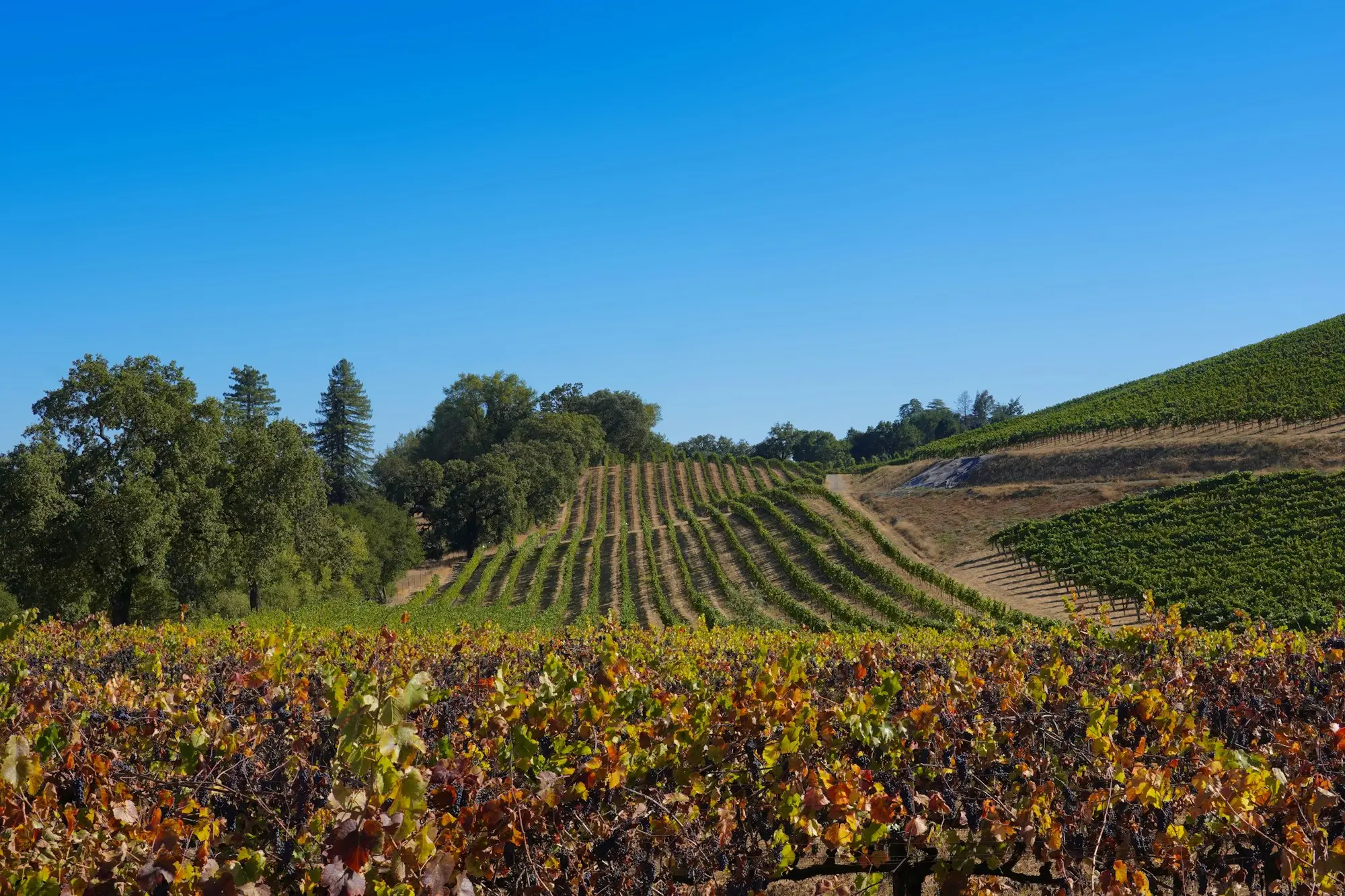
Pokolbin and the surrounding sub-regions draw large numbers of visitors, mostly at weekends and around events and concerts. For cellar doors, restaurants, cottages and tour businesses, income bunches into spring, summer and long weekends, then thins out in the cooler months.
Lenders handle this by averaging a full year of statements. Two common issues come up:
Vintage funding. Growers and winemakers face heavy costs around harvest (picking, fruit purchases, barrels, bottling) months before the wine sells. Our guide to how wineries fund vintage explains the structures, from seasonal lines of credit to stock finance.
Using the vineyard as security. A working vineyard is a specialised asset. Many lenders lend a lower share of the value against it than against a house, and some won’t take it at all. Specialist agribusiness funders and private lenders tend to bend further, notably when there’s a dwelling on the title. The business loans against rural property page covers what valuers and lenders focus on.
Planning around a vintage, a refit or a slow winter? Send us the outline through our enquiry form. Sixty seconds or so, with no credit check behind it.
Horses, studs and the Upper Hunter’s rural property
Around Scone and Aberdeen, thoroughbred breeding supports a cluster of studs, vets, farriers, feed merchants and horse transport operators. These businesses often borrow against rural land with specialised improvements: stables, yards, fencing and arenas.
Stables, arenas and specialist fencing often add less to a valuation than they cost to build, so loan amounts can come in lower than owners expect. A full valuation is almost always required, and lenders want to see the business income separately from the land value.
Maitland and Cessnock: the growth belt
Maitland has been one of the faster-growing parts of regional NSW, and new estates around Thornton, Lochinvar and Cessnock bring steady work for builders, plumbers, electricians, childcare, retail and allied health. For these businesses, lending looks a lot like it does in suburban Sydney: bank statements, tax lodgements, trading history and, where available, home equity as security. Our builders page has the detail for construction trades.
NSW rules in brief
The Hunter follows NSW rules, covered fully on our New South Wales business loans page. The short version: title dealings, including caveats and mortgages, are lodged electronically with NSW Land Registry Services; a caveat can be challenged by a lapsing notice that gives the caveator about 21 days to obtain a court order; and payroll tax applies once annual wages pass $1.2m.
Example: a Singleton earthmoving contractor
Fictional scenario for illustration.
A Singleton earthmoving business turns over $3.4m. About 60% of its revenue comes from one mine with a closure date four years away. It has been offered civil work on a renewable energy transmission project, which calls for a $310k excavator plus roughly eight weeks of additional payroll ahead of the first progress claim being paid.
A lender is likely to view the new work favourably because it reduces dependence on the mine. A practical structure could be equipment finance over the excavator on a four-year term, matched to the remaining mine contract as a backstop, with a $90k working capital loan to carry the wages. If the owners want a lower total cost, a second mortgage over their Branxton home could fund the working capital instead, subject to equity.
Banks remain a strong option
Banks, including the major banks and the regional customer-owned banks, lend widely across the Hunter, and when you fit their criteria they’re usually the cheapest money available. A bank offer deserves careful consideration.
If the bank couldn’t help, wanted more security or couldn’t move in time, the declined by the bank page maps out the alternatives.
Whatever your valley economy, start here
Coal, cabernet or colts, it begins the same way: how much you want, why, and what could back it. Our form gets that done in roughly sixty seconds.
Lodging an enquiry leaves your credit history alone. We won’t pass your name along a conveyor belt of lenders, so your mobile won’t light up with strangers. A member of our team considers your business on its own merits and rings you to discuss it. Please answer each question as precisely as you can, particularly around contract end dates and property, so our first suggestion is a realistic one.
Frequently asked questions
Can I still get finance if my main customer is a mine that's closing?
Yes, but the loan needs to fit the timeline. A lender will look at when your contract and the mine's operating life end, and may offer a shorter term or ask for property security. Showing work with other customers, or a plan to move into rehabilitation, renewables or other industries, helps a lot.
Will lenders accept a vineyard as security for a business loan?
Some will. Working vineyards are specialised assets, so many mainstream lenders limit the loan to a lower share of the value or exclude them. Agribusiness lenders and some private lenders are more comfortable, especially where there's a house on the title and road frontage.
How do lenders treat seasonal cellar door and accommodation income?
They usually average it across a full year. Strong spring and summer weekends offset quieter winter weekdays, so 12 months of bank statements gives a fairer picture than a recent busy period. Repayment schedules can sometimes be matched to your cash flow.
Is equipment finance available for second-hand mining or earthmoving gear?
Usually, yes. Lenders consider the age, hours, make and resale market of the machine. Very old or highly specialised mining equipment may need a bigger deposit or extra security.
Do I need to deal with a lender based in the Hunter?
No. Lenders across Australia assess Hunter businesses, and NSW title dealings are electronic. Local knowledge helps with unusual properties, but the key is a lender whose policy suits your security and industry.