Quick answer
Dubbo businesses can borrow from banks, non-banks and private lenders, mostly online. Lending here reflects Dubbo's role as the service centre for western NSW: the regional livestock markets are the state's biggest cattle selling centre, the Central-West Orana Renewable Energy Zone is driving a construction surge, and health, retail and tourism serve a huge catchment. Equipment, contract and property-secured finance all play a part.
Key points
- Dubbo Regional Livestock Markets ranked first in NSW for cattle and third for sheep in the 2022–23 national saleyard survey
- The Central-West Orana Renewable Energy Zone was the first REZ declared in NSW and covers roughly 20,000 square kilometres around Dubbo and Dunedoo
- Construction booms bring big contracts but also lumpy cash flow, so lenders look hard at how work will be replaced when a project ends
- Dubbo serves a catchment far bigger than its own population, which steadies retail, health and trade demand
- Local government area
- Dubbo Regional Council
- Renewable energy zone
- Central-West Orana REZ (first declared in NSW)
- Land registry
- NSW Land Registry Services
- Enquiry range
- $5k to $5m, business purposes only
Dubbo punches well above its population. Farmers from Coonamble, mine workers from the Orana, families from Bourke and Nyngan come here for the hospital, the specialists, the big-box stores, the saleyards and the airport. That catchment gives Dubbo businesses a customer base several times the size of the city itself, and lenders reading a Dubbo application tend to know it.
Right now the city is also in the middle of something new: the first renewable energy zone declared in NSW, bringing solar farms, wind farms, transmission lines and the workers who build them. Below we cover how that changes borrowing, alongside the steadier local industries. One thing to be clear about: we have no Dubbo office. The lenders in our directory assess applications online and settle NSW security electronically, so your location doesn’t narrow your choices.
What do Dubbo businesses typically borrow for?
Dubbo’s economy has several distinct engines, and each tends to need a different kind of finance.
| Sector | What it looks like in Dubbo | Typical borrowing |
|---|---|---|
| Livestock and agriculture | Saleyards, stock agents, carriers, producers, rural suppliers | Trucks and trailers, yards and handling gear, seasonal working capital |
| Renewable energy construction | Civil works, electrical, fencing, accommodation, labour hire | Machinery, utes, mobilisation costs, bridging progress payments |
| Health and community services | Hospital, specialists, aged care, Royal Flying Doctor Service base | Fit-outs, equipment, vehicles |
| Retail and trade supply | Regional shopping, hardware, machinery dealers | Stock, showroom upgrades, floor plans |
| Tourism | Taronga Western Plains Zoo, motels, cafes | Refurbishments, seasonal cash flow |
The mix helps. When one sector has a slow year, another usually doesn’t, and lenders with regional experience see that spread as a strength.
The saleyards and the livestock economy
Dubbo Regional Livestock Markets, run by council, is a big deal in NSW agriculture. In the 2022–23 national saleyard survey it was the state’s top cattle selling centre and third for sheep, with sheep numbers passing a million head that year.
That volume supports a whole ecosystem: stock and station agents, livestock carriers, feed and fodder suppliers, vets, saddlers, ag mechanics and the producers themselves. Their borrowing is closely tied to seasons and prices. A strong cattle market can lift everyone’s cash flow; drought or falling prices can tighten it within weeks.
Lenders who fund this side of the economy generally want:
- Trading history across more than one season, ideally covering a tough year
- Sale or turnover records, not just a profit figure
- For carriers, contract or regular-customer evidence and truck details
- For producers, details of land, stock numbers and water
A livestock carrier upgrading a prime mover and crate would usually look at truck finance. A producer funding feed through a dry patch might need a seasonal facility. Our cattle and grazing business loans page goes deeper, and business loans against rural property explains how farmland works as security.
The energy zone: opportunity with strings attached
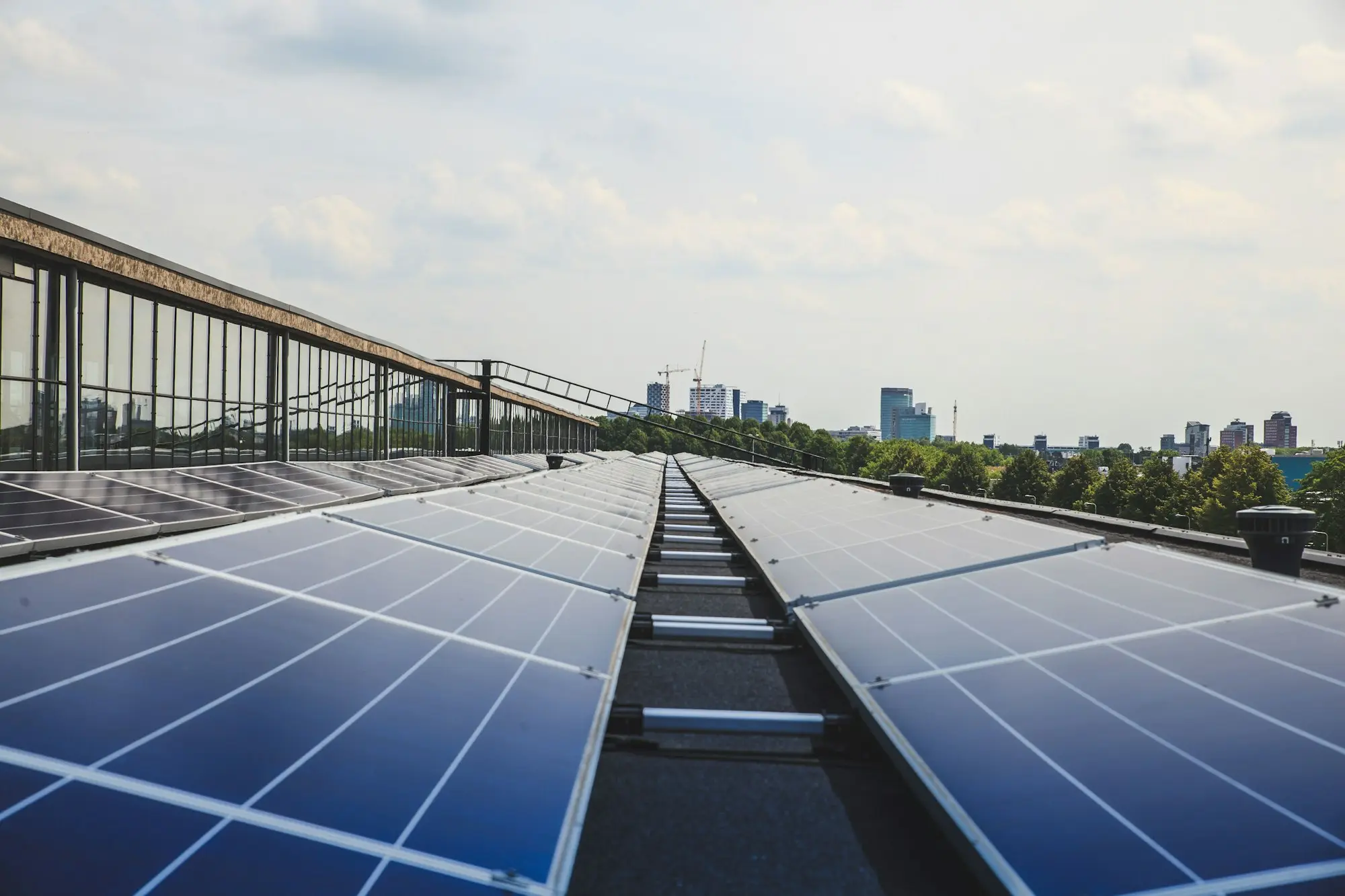
The Central-West Orana Renewable Energy Zone covers about 20,000 square kilometres, with Dubbo and Dunedoo near its centre. Several solar and wind farms are already running, others are being built, and EnergyCo reported in September 2026 that the first transmission lines in the zone had been strung.
For local businesses, the work is real: civil contractors, electricians, fencers, concreters, traffic control, accommodation providers, caterers, cleaners and labour hire firms have all picked up new contracts. That usually brings three financing needs:
- Equipment to take on the work. Excavators, tippers, utes and lighting towers, typically through equipment finance.
- Cash to carry the job. Wages and materials go out weeks before a head contractor pays. Progress payment finance or invoice finance can bridge it.
- Capacity for workers. Accommodation providers adding rooms or cabins may need secured or construction finance.
The trap to avoid
Construction booms end. A project that keeps your crew busy for eighteen months will eventually finish, and if you’ve financed a fleet over seven years on the strength of it, the repayments outlast the work.
Lenders know this, and the good ones will ask about it. Strong answers look like: equipment that has a use beyond the project, a loan term matched to the contract, a track record of work outside the energy zone, or a plan to sell surplus gear. Our page on what to do when you’ve won a big contract walks through how to fund growth without overcommitting.
Just signed a subcontract and need to fund the first few months? Send us the details. It’s a sixty-second enquiry, and it won’t register on your credit file.
How property security works in Dubbo
Many Dubbo owners hold equity in a home, a commercial building or rural land. Each can back a business loan:
- Houses are accepted by the widest range of lenders, through a second mortgage, a caveat or a refinance.
- Commercial and industrial property suits longer-term secured loans, though valuations focus on lease terms and the depth of the local market.
- Rural land is accepted by fewer lenders and usually at lower loan-to-value limits.
NSW mortgages and caveats are lodged electronically, so registering the security is quick. The steps that take time are booking a valuer and completing title checks, which can run a little longer in regional areas than in Sydney. Build a few extra days into any deadline. Keep an eye on NSW payroll tax as well, which starts once annual wages pass $1.2m: a fast-growing contractor that crosses the line mid-project needs to plan for monthly returns.
A Dubbo illustration: an electrical contractor in the energy zone
Made-up business, used only to illustrate.
A Dubbo electrical firm with eight staff wins a subcontract on a solar farm. It needs to hire six more electricians, buy two service trucks and an elevated work platform worth $280k in total, and carry about $200k of wages and materials before the first progress payment, 60 days after each claim.
A balanced approach might be:
- Equipment finance over the trucks and platform, on a term that matches their useful life rather than the contract, because the firm also does commercial and rural work in town.
- Invoice finance over progress claims, so wages are covered as the job grows.
- No long-term debt taken on just for the project’s duration.
The owner models the cost of each piece with the equipment finance calculator and checks the wage gap with the cash flow gap calculator before signing anything.
Start with the bank, but know the alternatives
Banks are a strong choice for established Dubbo businesses. They’re often the cheapest, and the larger banks have long histories lending to agriculture and regional trade. If your bank offers a sensible loan, take it seriously.
Where banks fall short is usually speed and flexibility: a new ABN chasing energy zone work, a tax debt, an unusual security or a contract that starts next month. That’s where non-bank, private and specialist lenders earn their place. The NSW state guide covers statewide rules, and our Orange and Tamworth pages look at neighbouring inland centres.
Talk to us about your Dubbo business
Whether you’re bidding for energy zone work, upgrading a stock crate or refreshing a motel near the zoo, the right finance comes from understanding your contracts, your seasons and your security. That’s where we begin.
Our enquiry asks only a few questions and takes roughly a minute. Sending it doesn’t set off any credit enquiry, and we won’t sell your details or hand them to a scrum of lenders. Every enquiry is read by someone on our team, who then phones you to discuss workable paths. Give us true figures, particularly how much you need, why, and what property sits behind you, and the first lender we suggest is far more likely to say yes.
Frequently asked questions
Can a Dubbo contractor borrow to take on renewable energy zone work?
Yes. Equipment finance for vehicles and machinery, invoice finance for payment terms and short-term loans for mobilisation are all common. Lenders will want to see the signed subcontract, the head contractor's payment terms and how you plan to keep busy when the project winds down.
Do lenders understand livestock and saleyard businesses in Dubbo?
Many do, particularly agricultural and regional lenders. Stock agents, carriers and producers often borrow for trucks, yards and working capital, and lenders will look at sale volumes over several seasons, not just a strong year.
Is it risky to borrow during a construction boom?
It can be. Borrowing to buy equipment for one large project is sensible if the contract covers the repayments and the gear will have work afterwards. The risk is committing to long-term debt for short-term demand, so match the loan term to the work you can realistically see.
Can I get a business loan secured against a Dubbo property?
Yes. Lenders can take a first or second mortgage, or a caveat for short-term needs, over Dubbo homes and commercial property. Regional valuations can take slightly longer to arrange, so build that into your timeline.
Does Dubbo Regional Council lend money to businesses?
Council supports economic development, but business loans themselves come from banks, non-bank and private lenders. Government grants change often, so check the business.gov.au grants finder for anything currently open.