Iron Capital
Online lender
- What they fund
- Equipment financeAsset finance
- Website
- ironcapital.com.au
- In a sentence
- Asset and equipment finance for businesses.
Quick answer
Iron Capital funds heavy equipment through a 12 to 24 month rent-to-purchase program rather than a loan. As at October 2026 it says typical deals are $150k to $250k, up to $750k for a single asset, for civil, mining, quarrying, heavy haulage and agricultural businesses trading at least 12 months with an ABN and GST registration. At the end you buy at the agreed price, return the machine or extend.
Key points
- A rental with a purchase option, not a loan: Iron Capital owns the machine until you buy it at the agreed price
- Published deal sizes as at October 2026: typically $150k to $250k, up to $750k for a single asset
- Built for heavy gear in civil, mining, quarrying, heavy and bulk haulage, and agriculture; new or used machines up to 10 years old at the start
- Needs 12+ months trading with an ABN and GST registration, a credit check and usually a directors' guarantee
- Also offers sale and hire back to release cash from machinery you already own
- Lender type
- Equipment rental financier
- Products
- Rent-to-purchase, sale and hire back
- Published amounts
- Typically $150k to $250k, up to $750k per asset
- Minimum trading
- 12 months with ABN and GST registration
Iron Capital sits in an unusual corner of this directory. It doesn’t lend money against your bank statements. It buys a heavy machine, rents it to you for 12 to 24 months, and gives you the right to buy it at a price agreed at the start. For an earthmoving or haulage operator who wants a dozer, excavator or crusher on site now but doesn’t want to lock in a five-year chattel mortgage, that structure can be a useful middle path.
This profile draws on Iron Capital’s own website as at October 2026: what it offers, the rules it publishes, where it fits and where it doesn’t.
What does Iron Capital offer?
| Product | How it works | Published detail |
|---|---|---|
| Rent-to-Purchase | A 12 to 24 month rental on new or used heavy equipment that lets you buy the machine once the term ends | Typical deals $150k to $250k, up to $750k for one asset |
| Sale and hire back | Iron Capital buys machinery you own and rents it back, releasing cash into the business | Amounts not published |
| Used equipment sales | Machines sold directly | Not a finance product |
Iron Capital says it has a national presence across Australia’s major cities and also works with finance brokers and equipment dealers, so you may meet it through a dealer rather than directly.
Who is the rent-to-purchase program built for?
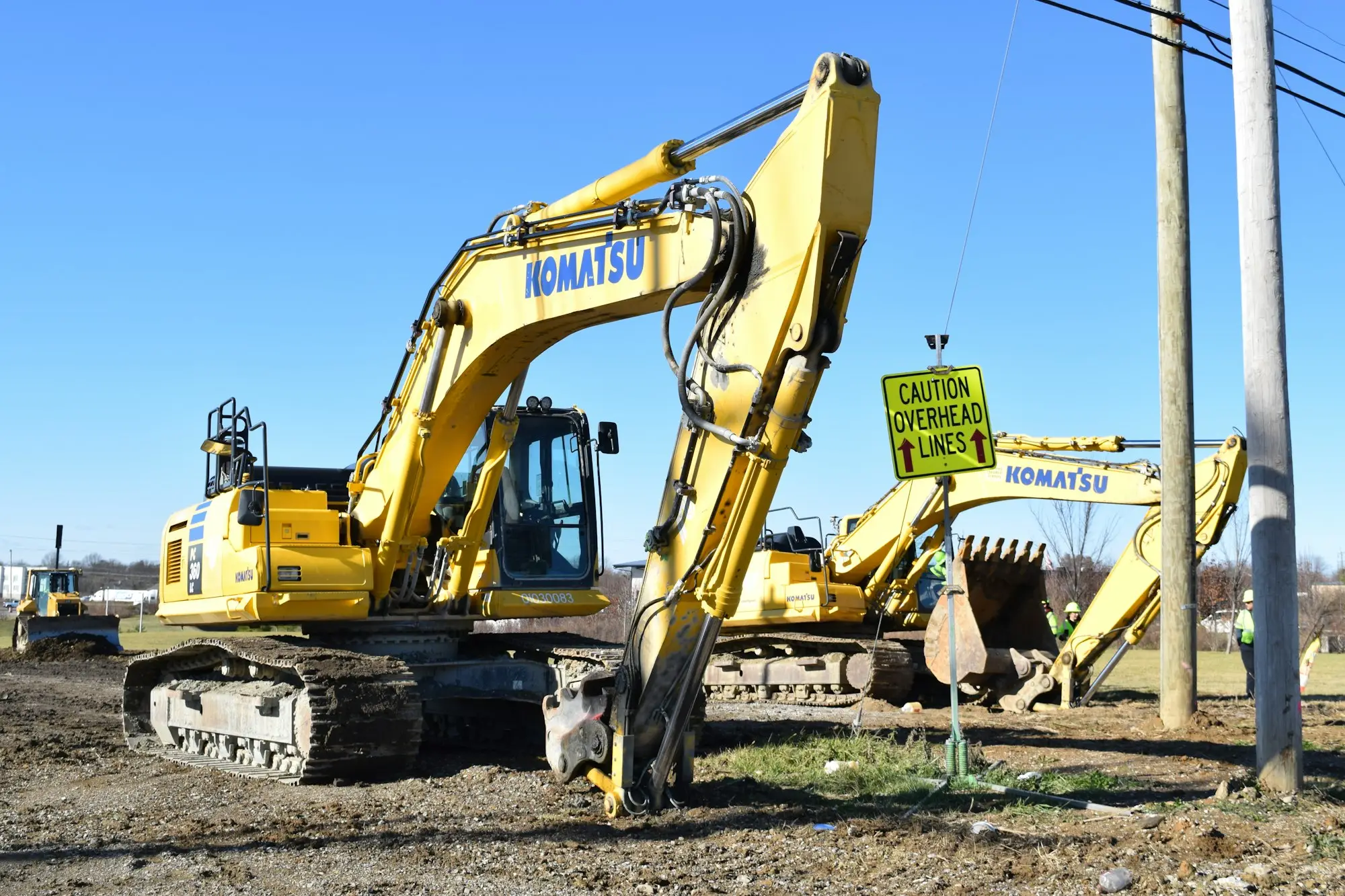
Iron Capital says the program suits heavy equipment in five sectors: civil, mining, quarrying, heavy and bulk haulage transport, and agriculture. Its news items mention earthmoving gear, mobile mining equipment, a skid steer loader and a jaw crusher.
The machine can be new or used, provided it’s no older than 10 years when the contract starts. You can source it from a franchise dealer, a used equipment dealer, an auction house or a private seller at arm’s length, as long as it passes inspection. That auction and private-sale flexibility matters: plenty of asset financiers get cautious about older machines bought outside a dealer yard.
What are the eligibility rules?
As published, a business generally needs:
- 12 months of operation with a registered ABN and GST registration (exceptions may be possible with extra credit support)
- A credit check, run on every new client
- A clean-enough file: a single resolved default can be acceptable if it came from a trade dispute or a utility bill, while defaults with finance companies may need further approval
- A directors’ guarantee in most cases
- An application form and a statement of assets and liabilities for each director
- Insurance, with a certificate of currency at settlement and every year after
Pricing is risk-based, set on the machine, the customer and where the gear will work. A newer machine on a metro civil job will usually price differently from an older one heading to a remote quarry.
Weighing rent-to-purchase against a conventional equipment loan? Share the machine and the job with us for an outline of what else could suit your fleet; asking triggers no credit enquiry.
How does a rent-to-purchase deal play out?
Here’s an illustration, not an Iron Capital quote. A two-year-old civil contractor wins a 15-month road subcontract and needs a used 30-tonne excavator worth about $220k, found at auction. Its bank wants more trading history, and the owner isn’t sure the work will continue after the contract.
Under a 24-month rent-to-purchase, the contractor pays rent, maintains the machine and keeps it insured. Ninety days before the end, Iron Capital makes contact. If a follow-on contract has landed, the contractor buys the excavator at the agreed price, perhaps funding that with a chattel mortgage. If not, it hands the machine back. If it’s still undecided, it can extend for 12 months at a reduced rent or roll month to month.
The benefit is that the decision to own is deferred until the work justifies it. The cost is that rent paid isn’t building ownership in the same way loan repayments do, so if you’re sure you’ll keep the machine for years, a loan may cost less overall. Run both through our equipment finance calculator and ask your accountant how rent versus depreciation affects your tax.
Questions to ask Iron Capital
- What is the total rent over the term, and what’s the agreed buy price, in dollars?
- Who pays for major repairs during the rental, and what condition must the machine be in if I return it?
- What does the reduced rent look like if I extend for 12 months?
- What inspection is needed for an auction or private-sale machine, and who pays for it?
- On a sale and hire back, how is my machine valued?
If Iron Capital says no, or it isn’t the right shape
- You want to own from day one: standard equipment finance or a chattel mortgage, and check how they compare in leasing vs buying equipment.
- Buying new from a dealer: manufacturer finance such as Cat Financial is often packaged with the sale.
- Shorter, project-based use: a rental financier like Rentset may suit.
- Cash tied up in machines you own: read about sale and leaseback.
- Bank first: if you’ve a few years of financials, your bank’s equipment finance team is worth a call, as banks are often the cheapest option when you fit. If it declines, our guide for earthmoving contractors lists the other routes.
Need a machine on site before the next job starts?
Heavy gear decisions usually come with a deadline: a contract start date, an auction closing or a breakdown mid-job. Rent-to-purchase is one answer; a loan, a lease or releasing equity from gear you already own may be better, depending on your plans for the machine.
Getting a read on your options is quick. The form takes about a minute, makes no enquiry on your credit file, and goes to our team alone, not out to a long list of financiers. Someone who knows plant and machinery deals reads it, then calls. Exact figures on the machine’s price, year of manufacture and your years of trading help us steer you correctly from the outset.
Frequently asked questions
Is Iron Capital rent-to-purchase a loan?
No. It's a 12 to 24 month rental agreement with an option to buy. Iron Capital owns the machine during the term while you use and maintain it. At the end you can buy it at the agreed price, hand it back, or extend for another 12 months at a reduced rent.
What equipment does Iron Capital finance?
Heavy equipment for civil, mining, quarrying, heavy and bulk haulage, and agricultural work. New and used machines qualify if they're no more than 10 years old when the contract starts, sourced from franchise dealers, used dealers, auctions or arm's-length private sales that pass inspection.
Can I get Iron Capital finance with a default on my credit file?
Possibly. Iron Capital says a single resolved default can be acceptable if it came from a trade dispute or a utility bill. Defaults with finance companies may need further approval. It runs a credit check on every new client, and prices each deal on the risk of the machine, the customer and the location.
What documents does Iron Capital need?
As at October 2026 it asks for an application form and a statement of assets and liabilities for each director. Most deals need a directors' guarantee, and you must provide an insurance certificate of currency at settlement and every year after.
What if my business has traded for less than 12 months?
Iron Capital's standard rule is 12 months of operation with a registered ABN and GST status, though it says exceptions may be made with additional credit support. Newer operators can also look at manufacturer finance through the dealer or a chattel mortgage from an asset financier.
What happens when the rental term ends?
Iron Capital says it contacts you 90 days before the contract finishes. You choose to buy at the agreed price, return the machine, or extend. If you haven't decided by the end, the rental can roll on month to month.