Quick answer
Pool builders mostly borrow to cover the gap between a capped deposit and the first progress payment, to fund excavators, tippers and shotcrete gear, to pay for fibreglass shells or steel ahead of installation, and to carry a strong spring order book through slower winter months. A line of credit or progress payment finance suits the job cycle, equipment finance suits machinery, and property-secured loans suit bigger growth steps. Banks lend to established builders; non-bank lenders fill gaps.
Key points
- Deposit caps (10% in NSW, 5% on Victorian and Queensland contracts of $20,000 or more) mean the builder funds early stages
- In NSW, no money can be taken on a pool contract over $20,000 until home building compensation cover is in place
- Spring and early summer sales create a winter build pipeline that lenders like to see on paper
- Rock, groundwater and weather variations can stretch a job, so leave headroom in any facility
Take a $90k concrete pool in Victoria. Under the state’s deposit rules, the most a builder can collect before starting is 5%, or $4,500. Excavation, spoil removal, steel, plumbing rough-in and the first concrete pour can easily cost several times that before the next stage payment arrives. Now run six pools at once through spring. That’s the core finance problem in pool building, and it can bite a pool company that’s making healthy margins.
This page looks at how the rules shape a pool builder’s cash flow in the three biggest pool markets, what lenders look for, and which finance suits each part of the business.
How do deposit and insurance rules affect pool builders?
Every state regulates residential building contracts, and pools fall inside those rules. The details differ, but the effect is similar: builders start work with very little of the client’s money.
| State | Deposit limit | Insurance trigger | Effect on the builder’s bank balance |
|---|---|---|---|
| NSW | Up to a tenth of the price | Home building compensation cover for work over $20,000, in place before any deposit or payment is requested | No money arrives until the certificate is issued; then a capped deposit |
| Victoria | 5% once the price reaches $20k (10% below that) | Domestic building insurance details given before taking money on work over $16,000 | Most pool contracts fall into the 5% bracket |
| Queensland | Similar tiers to Victoria (5% from $20k), per QBCC guidance | Home warranty insurance on new residential pools over $3,300; premium due before work starts or within ten business days of signing | Premium and early stages funded before meaningful client money |
These figures come from the NSW Government, Consumer Affairs Victoria and the QBCC as at October 2026. Rules change, so check your regulator before relying on them for a contract.
The practical upshot: pool builders effectively finance the first stage of every job. A business that sells well in spring needs enough working capital to carry the early stages of many pools at once.
When does a pool business need cash?
Pool building follows the calendar.
- Late winter and spring: enquiries and signed contracts surge. Permits and engineering get underway. Insurance premiums are paid.
- Spring to early summer: excavation and shells or steel on multiple sites. Peak cash out.
- Summer: completions, handovers and final payments. Cash comes back in.
- Autumn and winter: fewer new sales, but a backlog of builds that started late. Renovations and resurfacing can fill gaps.
Lenders who understand this cycle prefer revolving facilities over lump sums. A business line of credit drawn through spring and cleared over summer usually costs less overall than a large loan held all year. For a run of larger jobs, progress payment finance can advance money against stage claims that have been issued but not yet paid.
Our cash flow gap calculator can help estimate how much you’ll need at the deepest point of the season.
Spring contracts piling up faster than deposits can cover them? Tell us what the season looks like. It’s a quick form and your credit file isn’t touched while you ask.
What equipment do pool builders finance?
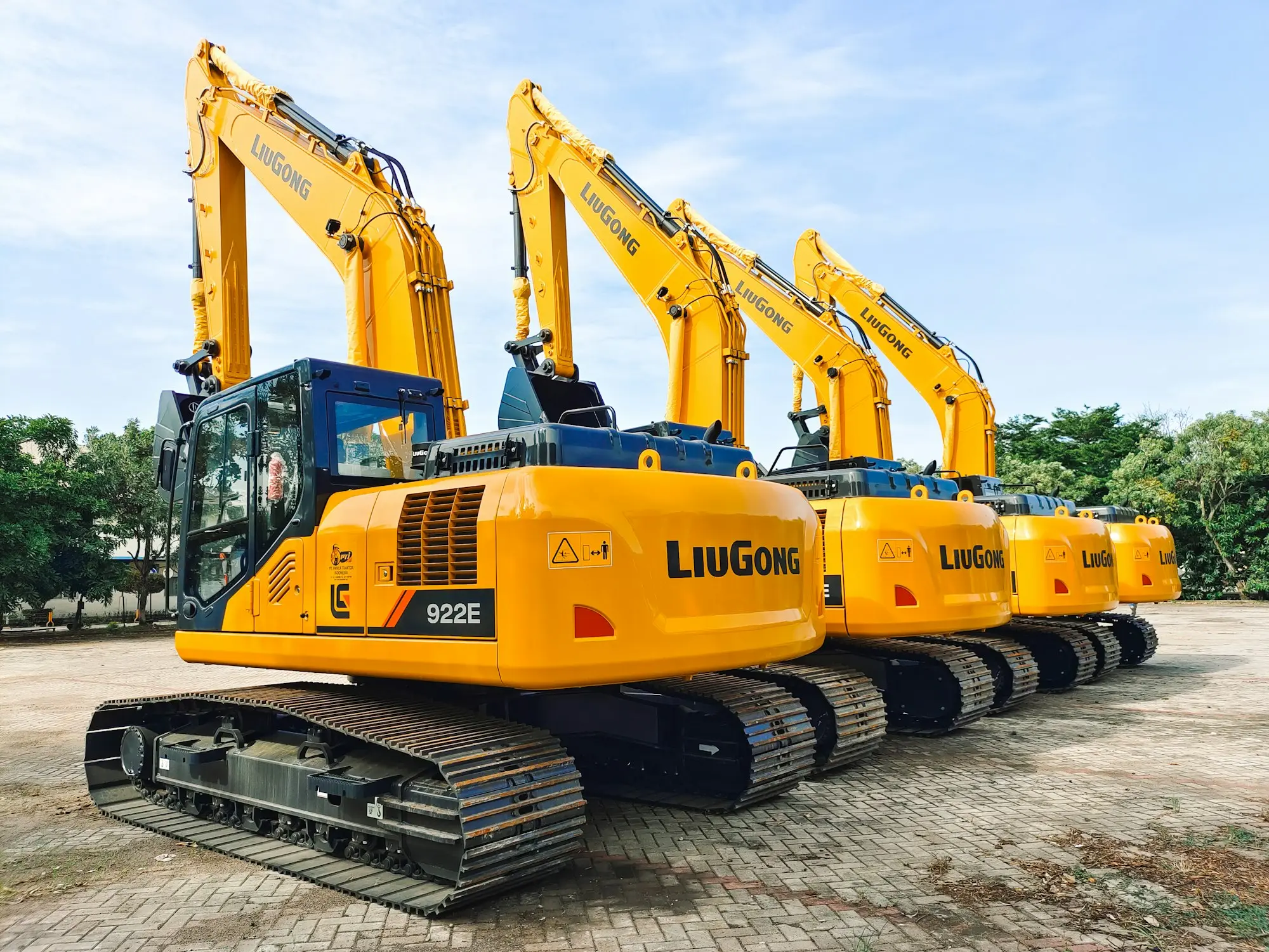
- Excavators and skid steers. The digging fleet is often the largest asset in a concrete pool business.
- Tipper trucks and trailers. Spoil removal and materials delivery.
- Concrete and shotcrete gear. Pumps, rigs and compressors, for builders who don’t subcontract spraying.
- Utes and service vans. For site supervisors, maintenance crews and handover visits.
These are usually funded with equipment finance or a chattel mortgage, where the machine secures the loan. Some builders prefer to subcontract excavation and keep their balance sheet lighter. Either approach is fine; lenders simply want the repayments to fit comfortably within your cash flow.
Fibreglass or concrete: does it change the finance?
Fibreglass installers often pay the shell manufacturer before delivery. The job runs faster, but a large share of the contract value goes out at once, early. A line of credit sized around your busiest month of shell orders works well.
Concrete builders spread costs over longer builds, with more stages and more exposure to site surprises. Hitting rock or groundwater can add days and cost. Make sure your contract allows variations and that your facility has headroom for them, rather than sizing it to the exact quote.
Which risks do lenders look at?
- Seasonality. Quiet winters are normal, but lenders want to see you’ve got through them before.
- Variation disputes. Unbudgeted rock removal or design changes can delay payments if clients push back.
- Licensing and insurance. Pool building is licensed work in every state, and failing to have warranty cover in place can stop you being paid at all. In NSW, pool building work over $5,000 needs a contractor licence, which also covers related safety fencing and filtration.
- Subcontractor dependence. If you rely on one shotcrete crew or excavation contractor, their availability becomes a risk to your schedule.
- Tax timing. Big summer completions produce large BAS bills a quarter later. If you’ve set up instalments with the tax office, flag them early; most lenders can live with that.
Documents that strengthen a pool builder’s application
- A full year of statements from the business account, so a lender sees winter and summer side by side
- Signed contracts for the coming months, with stage payment schedules
- Proof of current licensing and your warranty insurance arrangements
- Outstanding stage claims, listed by client and due date
- Equipment quotes or finance payout figures
- Recent BAS and an ATO statement
Example: a fibreglass installer heading into spring
A hypothetical example. A pool builder on the Sunshine Coast installs fibreglass pools, with excavation done in-house using a 5-tonne excavator and a tipper. By September, 14 contracts are signed for installation between October and December, each averaging around $65k.
Each shell must be paid for before delivery, and with the 5% deposit cap the business has around $250k going out in October alone. The bank is open to an overdraft increase but wants up-to-date financial statements that won’t be ready until November.
A non-bank lender works from the past year’s banking, the signed contracts and the QBCC licence, and approves a $200k revolving line of credit. The builder draws on it as shells are ordered and repays as stage payments land. By February the balance is close to nil, and the bank application proceeds once the accounts are done.
Building your next season with the right finance
Pool builders rarely lack customers in spring. What they often lack is enough cash to start all those jobs at once, given how little money comes in up front. A well-sized facility lets you take on the work you’ve already sold.
We’ve kept our enquiry short: around a minute, and it won’t leave a footprint on your credit report. It’s read in-house and never auctioned off to a queue of lenders, so there’s no wave of cold calls to field from the excavator cab. A specialist goes through your season, your signed contracts and your machinery plans, then rings to discuss them. Give us true figures for turnover and the amount you’re after; accurate answers are what let us land on a suitable facility at the first attempt.
Frequently asked questions
How do pool builders fund the excavation before the first progress payment?
Most use a revolving line of credit, progress payment finance or a short working capital loan. Because deposits are capped by law in most states, the builder usually pays for excavation, steel, plumbing and labour before the first stage payment arrives, so the facility needs to cover that early spend across several jobs.
Can pool builders get equipment finance for excavators and tippers?
Yes. Excavators, tipper trucks, skid steers, concrete pumps and shotcrete rigs are usually financed with a chattel mortgage or similar equipment finance, secured by the machine. Well-known brands with a good resale market are the easiest to fund.
Does home warranty insurance affect when I can be paid?
It can. In NSW, a pool contract over $20,000 needs home building compensation cover before any deposit or payment is requested. In Queensland, home warranty insurance applies to new residential pools over $3,300 and the premium is due before work starts or within ten business days of signing, whichever comes first.
Will lenders worry about the seasonal nature of pool building?
They'll notice it. Showing twelve months of bank statements, signed contracts for the coming months and how your cash moved through last winter helps a lender understand that quieter months are normal, not a warning sign.
Will a bank lend to my pool building business?
Established pool builders with clean accounts and property security are well suited to bank lending, which is often the cheapest. If a bank declines, takes too long before peak season, or asks for more security than you have, non-bank lenders can assess contracts and bank statements instead.