Quick answer
Landscapers mainly borrow for machinery and vehicles (compact track loaders, mini excavators, tippers, trailers and mowers) and for working capital to carry wages through the cooler months. Equipment finance is usually the cheapest way to buy plant because the machine secures the loan. A line of credit smooths seasonal dips. Recurring maintenance contracts with councils, strata or commercial sites make lenders noticeably more comfortable.
Key points
- Lenders split landscaping income into one-off construction jobs and recurring maintenance, and they value the recurring part more
- Compact track loaders, mini excavators and tippers keep resale value, so they suit equipment finance with the machine as security
- Queensland requires a QBCC structural landscaping licence for retaining walls, decks, paving and similar work above $3,300
- A line of credit opened in spring is far easier to get than one you apply for in the middle of a slow winter
Landscaping finance comes down to two questions: what machine do you need next, and how will you pay the crew in July? Get those two right and most other money problems in a landscaping business become manageable. The answers depend heavily on which kind of landscaper you are, so start there.
Are you a builder of gardens, a maintainer, or both?
Lenders look at landscaping income in two buckets, and they treat each differently.
Construction landscaping covers retaining walls, paving, decks, turf, irrigation, garden beds and full backyard makeovers. Jobs are one-off, often worth $15k to $100k or more, with a deposit, progress payments and a final balance. Income is lumpy and depends on new enquiries.
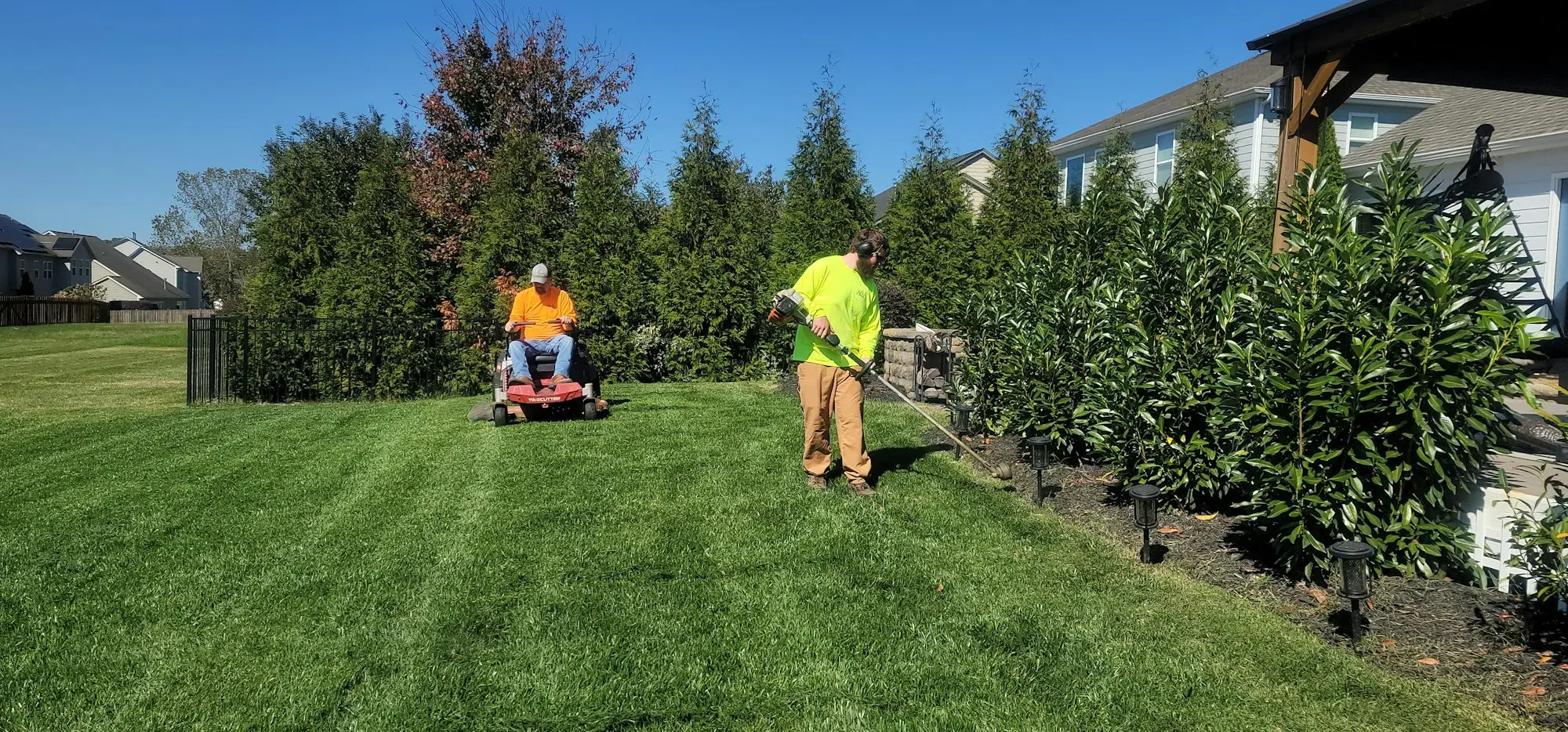
Maintenance landscaping covers mowing, pruning, weeding and grounds care for homeowners, strata schemes, councils, schools and commercial sites. Jobs are small, but contracts roll on month after month.
To a lender, maintenance income is gold. A business with $25k a month in signed maintenance contracts has a floor under its revenue that a pure construction business doesn’t. If you run both, separate the two in your application. Lenders are generally happier to fund machinery for the construction side when the maintenance side is quietly paying the bills.
Which machines and vehicles do landscapers finance?
| Equipment | What to know when financing it |
|---|---|
| Compact track loader or skid steer | Strong resale market. Ask whether attachments (augers, buckets, trenchers) can go in the same contract. |
| Mini excavator | Lenders like it as security. On a second-hand unit, the hour meter reading affects the deal. |
| Tipper truck or tipping trailer | Truck licences and registration costs add up; factor them in. See truck finance. |
| Ride-on and zero-turn mowers | Shorter useful life, so shorter finance terms make sense. |
| Utes and crew vehicles | Usually financed through a chattel mortgage, with the vehicle as security. |
| Plate compactors, saws, small plant | Often cheaper to buy outright or bundle with a larger purchase. |
Equipment finance is usually the cheapest money a landscaper can access, because a machine with a resale market reduces the lender’s risk. A chattel mortgage means your business owns the machine from day one, which suits most landscapers. If you’re weighing a finance lease instead, compare the two with your accountant.
Our page on funding machinery purchases runs through the sizing questions in more detail, and the equipment finance calculator shows indicative repayments.
How do you get through winter without a cash squeeze?
Landscaping is heavily seasonal in most of the country. Spring and early summer bring the rush of backyard projects, Christmas deadlines and new turf. Late autumn and winter slow construction, particularly in Victoria, Tasmania and the southern parts of NSW and SA, while northern regions have their own wet-season slowdowns.
The landscapers who handle it best tend to follow a pattern:
- Build the maintenance book. Year-round contracts are the most reliable winter income you can have.
- Open a facility in spring. A business line of credit applied for after a strong quarter is much easier to get than one requested in June when statements look thin.
- Draw only in the dip. Use it for wages and fuel in the quiet months, then pay it down as construction work picks up.
- Book winter-friendly work. Paving, retaining and hardscaping can often proceed when planting and turf can’t.
- Plan big machine purchases for the start of the busy season, so new repayments begin when income is climbing.
Our guide to funding seasonal swings goes further into setting a limit.
Spring orders already lining up and the bank account still recovering from winter? Enquire in about a minute and we’ll look at what’s realistic, with your credit file left untouched.
Do landscaping licences matter to a lender?
Lenders funding construction landscaping may ask whether you’re licensed for the work, particularly if the loan is tied to a specific contract. The rules vary:
- Queensland: the QBCC structural landscaping licence is needed for work worth more than $3,300. According to the ABLIS listing, it covers decks, pergolas, fences, retaining walls that don’t need engineering certification, landscape drainage, paving and non-vehicular concrete, among other things.
- New South Wales: structural landscaping is one of the licensed categories of residential building work managed by Building Commission NSW.
- Victoria: Consumer Affairs Victoria says Building and Plumbing Commission registration is needed for domestic work worth more than $10,000 unless it involves only one trade on a short exempt list. Landscaping isn’t on that list, so a large backyard job with decks and retaining walls may need a registered practitioner. Check with the BPC if you’re unsure.
Pure maintenance businesses generally don’t need a building licence, which is another reason their applications tend to be simpler.
What should you have ready for a lender?
- Bank statements for the business account, ideally covering a full year so the seasonal pattern shows
- Copies of maintenance contracts, with their terms and monthly values
- Your forward booking list for construction jobs
- Quotes for the machine or vehicle you want, including attachments
- BAS for the past few quarters and an ATO account statement
- Licence numbers where relevant, plus public liability insurance
Example: a Sunshine Coast landscaper adding a track loader
Hypothetical business, used purely to show the mechanics. A landscaping business on the Sunshine Coast runs two crews. One handles maintenance for four strata schemes and a commercial estate, bringing in around $22k a month. The other builds retaining walls, paving and pool surrounds. The owner has been hiring a compact track loader for most construction jobs and wants to buy one, plus a tipping trailer, for about $95k.
Their bank likes the business but wants full-year financials that are three months away. An equipment lender approves a chattel mortgage over the loader and trailer, leaning on the maintenance contracts to show repayments are covered even in a slow month. The owner times settlement for September, so the first repayments land as spring work ramps up, and opens a modest line of credit to sit in reserve for next winter.
Funding the next step for your landscaping business
Landscaping rewards owners who plan a season ahead: the right machine bought before the rush, and cash ready before winter. If your bank is too slow or too rigid for that rhythm, there are lenders who understand it.
Filling in our form takes roughly sixty seconds. There’s no credit enquiry attached to asking, so your score stays exactly as it is. Your enquiry isn’t shopped around the market. It lands with one team, and an experienced person reads it and gives you a call. Be as accurate as you can on turnover, your maintenance income and the amount you need. Solid figures from the start mean the first suggestion we make is likely to be the one that suits.
Frequently asked questions
Can a new landscaping business finance a mini excavator?
Often, yes. Equipment lenders fund machinery for newer ABNs more readily than they offer unsecured loans, because the machine is the security. Expect to be asked for a deposit or a larger one if you've traded under a year, and have a quote and some evidence of booked work ready.
Do maintenance contracts help me borrow more?
They usually help a lot. A signed contract to maintain council parks, strata grounds or commercial sites shows predictable monthly income. Lenders can see it continuing, which supports a larger facility than one-off construction jobs would on their own.
How do landscapers get through winter cash flow?
Most combine three things: maintenance work that continues year round, cash set aside in spring and summer, and a line of credit they draw on only in the quiet months. Opening the facility while trading is strong makes approval much easier.
Should I buy new or used landscaping machinery?
Used machines cost less up front and many lenders will finance them, sometimes over a shorter term or with an inspection. New machines come with warranty and may be easier to finance at longer terms. Compare total cost over the period you expect to keep the machine.
Will a bank lend to a landscaping business?
Yes, particularly to established businesses with two or more years of financials and property or strong machinery equity. Banks are often the cheapest option, so ask them first. If timing or paperwork doesn't line up, specialist equipment and non-bank lenders fill the gap.