Quick answer
Hair and beauty salons typically borrow for fit-outs and wet-area plumbing, styling chairs and basins, laser, IPL and skin treatment machines, retail and colour stock, and buying an existing salon. Equipment finance suits machines and furniture, unsecured loans or a line of credit suit stock and quiet months, and acquisition or property-secured loans suit purchases. Lenders look closely at card takings, rebooking rates, staff models and lease terms.
Key points
- Salons are fit-out heavy: basins mean plumbing, and a landlord who won't sign a waiver can make the furniture hard to finance
- Lenders treat employed stylists, commission arrangements and rented chairs very differently when they read your income
- Since 1 October 2026 card surcharges are banned, but weekend and public holiday surcharges are still allowed
- Beauty equipment such as lasers and skin machines can cost more than the rest of the fit-out combined, and suits equipment finance
Ask a salon owner what their business is worth and you’ll often hear about the fit-out, the location or the products on the shelves. Ask a lender and they’ll want to know something different: how many clients come back, how often, and who they come back for.
That gap explains a lot about how salon finance works. Here’s how to close it.
What does a lender actually see when it looks at a salon?
A salon’s income tends to show up in the bank account as dozens of card settlements a day, plus product sales and gift vouchers. For a lender assessing a loan on bank statements, that’s helpful: it’s a clear, daily record of trading.
What lenders try to work out from that record:
- Consistency. Do takings hold up week to week, or swing wildly?
- Seasonality. Most salons are flat out from mid-November to Christmas, busy before school formals and wedding season, and quieter in January and mid-winter. That’s normal, but repayments need to fit the lean weeks.
- Concentration on one person. If the owner personally generates most of the revenue, the business is more fragile. Lenders like a team where several stylists or therapists each carry a solid column in the appointment book.
- Retail share. Product sales add margin but tie up cash in stock. A healthy retail line is a plus; a storeroom full of slow-moving product is not.
Booking software can help your case. Reports showing rebooking rates, client retention and average spend per visit are the kind of evidence that persuades a credit assessor the takings are repeatable.
How does your staffing model change the picture?
This is the issue that separates salon finance from most other small businesses. Salons run on three broad models, often mixed within the same premises:
| Model | How income shows up | What the credit assessor makes of it |
|---|---|---|
| Employed stylists and therapists | All service revenue is yours; payroll and super leave every pay run | Highest revenue, highest costs. Lenders focus on margin after payroll |
| Commission-based staff | Revenue is yours; a share is paid out per service | Costs flex with sales, which helps in quiet months |
| Chair or room rental | Renters pay you a weekly fee and keep their own takings | Lower, steadier income, closer to rent than trading revenue |
Rental models look tidy, but a lender may ask whether your renters are genuinely running their own businesses. If someone working under a rental arrangement could be treated as an employee, there may be unpaid super or payroll tax sitting in the background. Getting proper advice on how your team is engaged is worth doing before you apply.
For employing salons, award minimums climbed 4.75% in July 2026, and Payday Super now requires superannuation to go out with each pay run. Both pull cash out earlier and faster than before, and both show up in your statements.
What do salons usually borrow for?
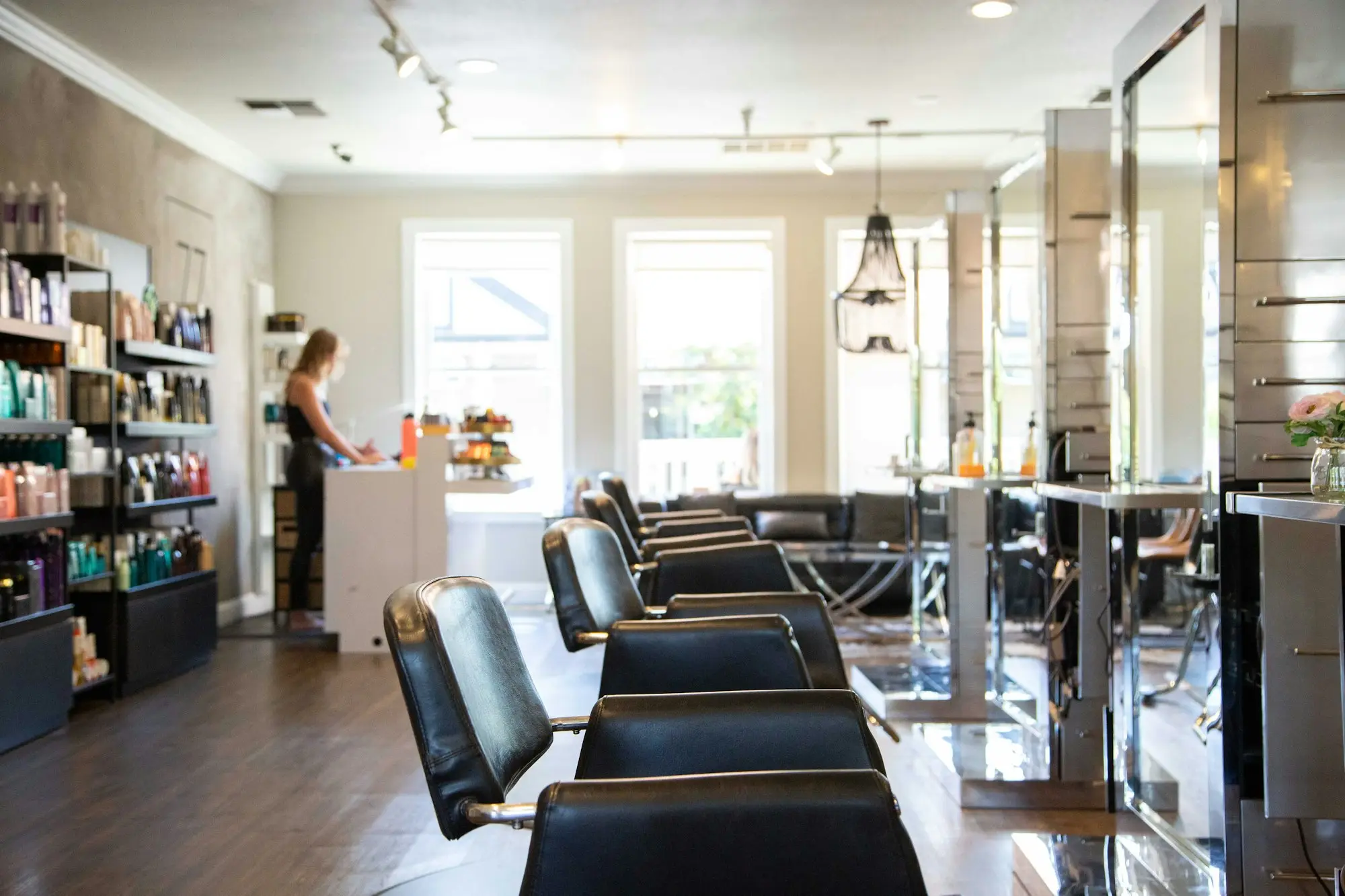
Fit-outs. The expensive bit is often what you can’t see: plumbing for basins and hot water, extra power circuits for dryers and machines, ventilation for colour and nail work. Then come flooring, lighting, mirrors, reception and joinery. See our guide to funding a shop fit-out.
Furniture and equipment. Styling chairs, backwash units, dryers, beauty beds and trolleys suit equipment finance. Our equipment finance calculator can help you compare terms.
Beauty and skin machines. Laser hair removal, IPL, skin analysis and other treatment devices can easily be the single biggest purchase a beauty business makes. A chattel mortgage lets you own the machine while paying it off, and the asset itself secures the loan.
Stock. Colour, backbar supplies and retail product, especially when a supplier offers a better deal on a larger order or you’re stocking up before Christmas.
Buying a salon or opening a second. Funded with an acquisition loan, sometimes topped up with property security.
Planning a refit or a new treatment room? Run it past our team in about a minute, with no hit to your credit score.
What can trip up a salon’s application?
The landlord waiver. Equipment lenders generally want the right to recover their asset if things go wrong. For items bolted into the premises, such as basins and fixed joinery, many will ask your landlord to sign a landlord waiver acknowledging the lender’s interest. A landlord who won’t sign can force you towards an unsecured loan instead.
A short lease. A salon with eighteen months left on its lease is a harder loan to approve than one with five years plus options, particularly for a fit-out the lender expects to last.
Cash takings that never reach the bank. If clients pay cash and it doesn’t get banked, a lender can’t see it, and income they can’t see doesn’t count.
Surcharge changes. From 1 October 2026, businesses can no longer add a surcharge to card payments on eftpos, Mastercard, Visa and American Express. Weekend and public holiday surcharges are still allowed. If your salon used to pass on card fees, that cost now comes out of your margin unless you adjust prices, which a lender lining up this quarter against last year could pick up.
An example: adding a skin clinic to a busy hair salon
A made-up salon, used only to illustrate. A six-chair hair salon in a Perth suburb has been trading for seven years, with four employed stylists and one apprentice. The owner wants to convert an unused back room into a skin treatment room, with a laser and a qualified therapist.
The plan costs around $95k: the machine is roughly two-thirds of it, with the rest going on electrical work, a treatment bed, cabinetry and the therapist’s first few months of wages before the room builds a client base.
The salon’s bank offers to fund the laser through its equipment finance arm but declines to lend for the building work and wages without more security. The owner finances the laser with a chattel mortgage over five years, and takes a smaller unsecured working capital loan, sized on the salon’s card takings, for the fit-out and ramp-up. The owner then uses the margin and markup calculator to set treatment prices that cover the repayments with room to spare.
Your next step
A good salon fit-out lasts years and pays for itself chair by chair. The finance behind it should be planned with the same care you’d put into the colour on a client’s hair.
If you’d like help sorting out the options, the enquiry takes roughly sixty seconds and nobody runs a credit check just because you asked. Your information isn’t shopped around to lender after lender. One of our team looks at the salon as it really is, then gives you a call. Fill it in carefully, with real takings and your actual lease dates, so the first option we suggest is a genuine fit.
Frequently asked questions
Can I get finance for a laser or IPL machine?
Usually, yes. Lasers, IPL, microneedling and skin analysis machines are commonly funded through equipment finance or a chattel mortgage with the machine as security. Lenders prefer reputable brands with a resale market. Check any state licensing rules for cosmetic lasers and IPL before you buy, because a machine you can't legally use is a poor investment.
Do lenders count chair rental income?
Yes, but they see it differently from service income. Rent from stylists who run their own businesses is closer to property income: steady but capped. Lenders will want the rental agreements and to see the payments landing regularly in your account. If chair renters could be treated as employees, that's a risk they may ask about.
How much does a salon fit-out cost to finance?
It varies widely with size, location and finish. Plumbing for basins, electrical work, flooring, lighting and joinery are the big items. Get quotes before you apply, because lenders size the loan on the actual quote and want to know how much of it is removable equipment and how much is fixed building work.
Can I borrow to buy an existing salon?
Yes. A lender will look at the salon's real takings in its bank and booking system records, how much of the client book stays when the owner leaves, the remaining lease term and your own industry experience. Retaining key stylists is often the deciding factor.
Will a bank lend to my salon?
Banks do lend to salons, particularly established ones with a few years of profitable accounts, a long lease and an owner with property. That offer is often the cheapest money you'll find. If you're newer or the bank wants more security than you have, non-bank lenders can assess the salon on recent bank statements instead.