Quick answer
A chattel mortgage and a hire purchase both let a business buy equipment or vehicles in instalments, with similar terms, balloons, tax treatment and upfront GST credits. The real difference is legal title: under a chattel mortgage your business owns the asset from settlement, while under hire purchase the financier owns it until the final payment. That affects selling mid-term, what you can do with the asset and how a default plays out.
Key points
- Since 1 July 2012 hire purchase GST credits can be claimed upfront, removing the old cash-basis advantage of a chattel mortgage
- Tax law treats you as the owner under both, so depreciation, interest and the instant asset write-off are available either way
- The Personal Property Securities Act treats a hire purchase as a security interest, much like a chattel mortgage
- Title is the remaining difference: yours on day one with a mortgage, yours on the last payment with hire purchase
- In practice the choice often comes down to which product the financier or dealer offers for your asset
- Chattel mortgage title
- Your business, from settlement
- Hire purchase title
- Passes on the final payment
- GST credit (both)
- Upfront if registered
- Typical term (both)
- Roughly 1 to 7 years
Most finance comparisons pit two quite different products against each other. This one doesn’t. A chattel mortgage and a hire purchase agreement look alike on a quote, behave alike at tax time and usually cost a similar amount. If you’ve been offered one and wondered whether to hold out for the other, the short answer is that it rarely matters as much as the price, the term and the balloon. The longer answer is below, because in a few situations the difference in legal title does count.
How did two different products end up so similar?
A chattel mortgage is a loan. You buy the asset, you own it, while the lender holds a mortgage over the asset until it’s repaid. A hire purchase is technically a hiring arrangement: the financier buys the asset and hires it to you, with ownership passing when you make the final instalment.
For years, one rule separated them. Businesses accounting for GST on a cash basis could claim the whole GST credit upfront under a chattel mortgage, but only bit by bit as each hire purchase instalment was paid. Financiers responded by steering customers towards chattel mortgages. From 1 July 2012 that rule changed, and hire purchase agreements entered on or after that date allow an upfront GST credit regardless of accounting basis.
Two other areas of law pulled them together too:
- Income tax. Tax law treats a hire purchase as a sale financed by a loan, so your business is treated as the holder of the asset and claims depreciation and the interest component, just as it would under a chattel mortgage.
- Security law. The Personal Property Securities Act looks at substance over form. Section 12 lists a hire purchase agreement as a transaction that creates a security interest, so the financier registers on the PPSR in much the same way a chattel mortgagee does.
Side by side
| Chattel mortgage | Hire purchase | |
|---|---|---|
| Legal owner during the term | Your business | The financier |
| When you become the owner | At settlement | When the last instalment clears |
| GST credit on the price | Upfront, on your next BAS | Upfront, for agreements since 1 July 2012 |
| Depreciation and interest | Claimed by your business | Claimed by your business |
| Instant asset write-off | Available if eligible | Available if eligible |
| Balloon option | Yes | Yes |
| PPSR registration | The lender’s security interest | The financier’s interest, treated as security |
| Selling during the term | Clear the loan from the proceeds | Pay out the agreement before title can pass |
| If you default | Lender enforces its security | Financier terminates and repossesses as owner |
The equipment finance calculator works the same way for both, since the repayment maths is identical once the price, term and balloon are set.
Where legal title still makes a difference
Selling or trading in mid-term. With either product you’ll need a payout figure, because the financier’s registration on the PPSR will show up in any buyer’s search. With hire purchase you also need the financier’s cooperation to transfer title. In practice dealers handle both every day, but a private sale is a little smoother when you already own the asset.
Modifying the asset. If you plan to fit out a van with racking, add attachments to an excavator or sign-write a fleet, owning it outright under a chattel mortgage avoids any question of altering someone else’s property. Many hire purchase agreements allow reasonable modifications, but read the clause first.
Default and repossession. As legal owner, a hire purchase financier recovers its own goods. A chattel mortgagee enforces a security interest. The end result is usually similar, but the contract terms and notices differ, so read the default section of whichever agreement you’re offered.
Balance sheet presentation. Your accountant records both as an asset with a matching liability in most cases, but a few businesses or their banks have a preference about holding legal title. If a lender’s covenants refer to owned assets, ask whether a hire purchase counts.
Got a quote for one and wondering about the other? Tell us about the asset; the form takes about a minute.
When a chattel mortgage wins
- You want title from day one for resale flexibility, modifications or simple peace of mind.
- The financier you prefer only writes chattel mortgages, which is common for vehicles and mainstream equipment.
- Your bank or other lenders look at owned assets when assessing the business.
- You might sell privately before the term ends. Owning the asset makes that conversation easier with a buyer.
Our page on the chattel mortgage covers the GST claim, car limit and balloon choices in detail.
When hire purchase wins
- A dealer or manufacturer program offers it on better terms. Some equipment suppliers still run hire purchase through their own finance arms, sometimes with seasonal repayment options or promotional terms.
- The financier will only take the risk if it keeps title, which can happen with specialised machinery, a newer business or a credit history that needs a little extra comfort for the lender.
- You want the structure to mirror how you think about it: hire now, own at the end, with automatic transfer and nothing further to sign.
The hire purchase page explains how title transfer works on the final payment.
A worked example
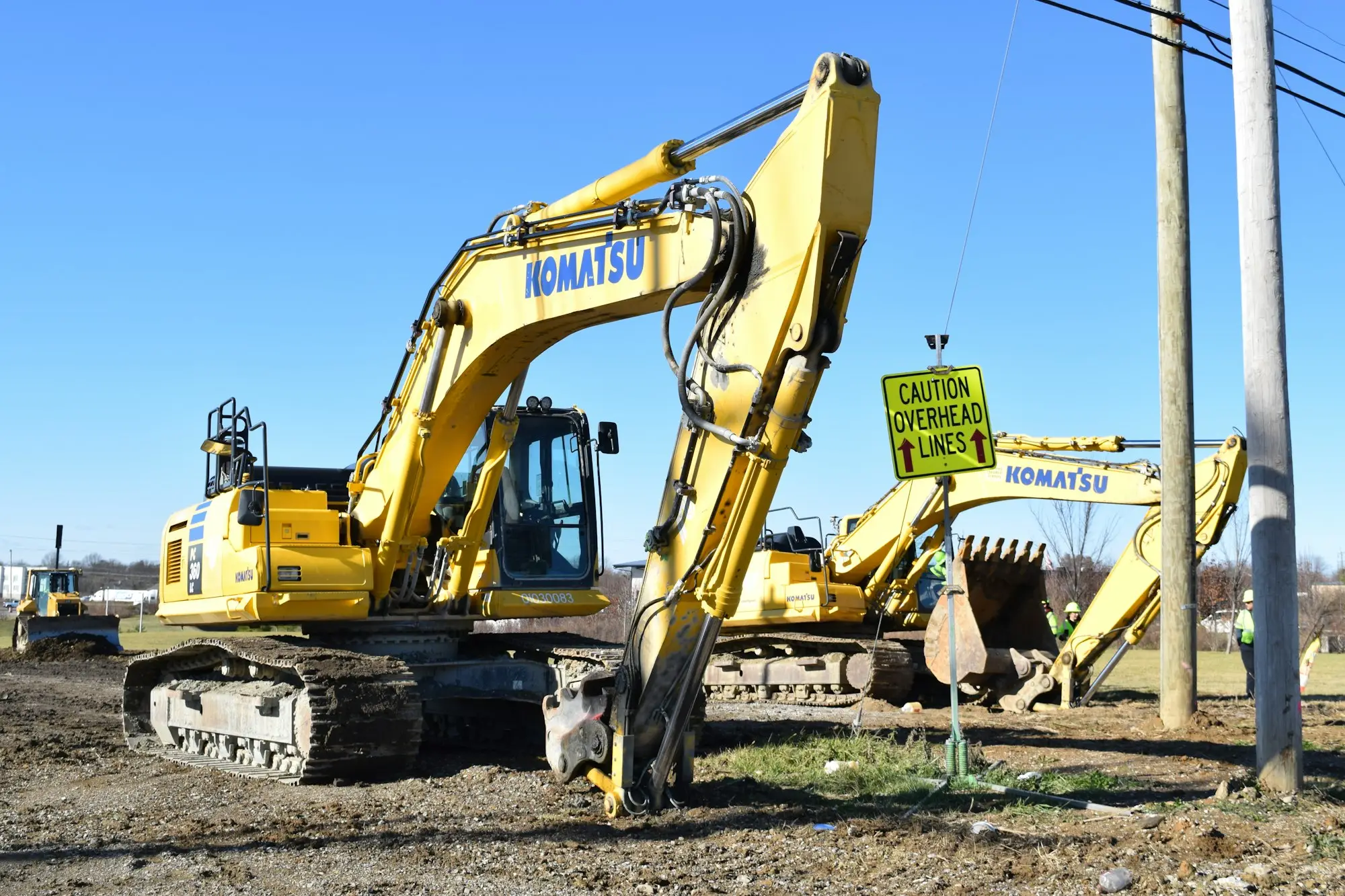
An illustrative earthmoving business wants a $165k excavator (including GST) and gets two quotes over five years, each with a 20% balloon.
- Chattel mortgage from an equipment financier. The business owns the excavator at settlement, claims $15k of GST on its next BAS and depreciates the machine.
- Hire purchase through the manufacturer’s finance arm. The business claims the same $15k GST credit upfront, depreciates the machine in the same way, and becomes legal owner after the final payment.
With tax and GST treatment the same, the decision comes down to three things: the total repayable on each quote, how early payout is calculated, and whether the owner expects to sell or modify the excavator before the term ends. If the manufacturer’s quote is cheaper and the owner plans to keep the machine for ten years, hire purchase is perfectly sound. If the business may upgrade in three years and sell privately, the chattel mortgage edges ahead.
A quick checklist
- Compare total repayable, fees and balloon on each quote, not the product name.
- Ask how early payout is worked out under each agreement.
- Check whether the agreement restricts modifications or moving the asset interstate.
- Confirm with your accountant that both give the same tax result for your structure.
- If you’re also considering leasing, read leasing vs buying equipment or chattel mortgage vs finance lease.
Getting the machine working, whichever label is on the contract
The product name matters less than finding a financier that will approve your business for the asset you need on terms that suit your cash flow. That’s especially true for younger businesses, used equipment or anyone a bank has already turned away. The form is short (sixty seconds or thereabouts) and your credit rating is left alone when you submit it. We don’t pass what you tell us down a parade of lenders: someone who knows equipment finance works through your circumstances and then phones. Give us accurate figures on the asset, its price and your trading so the first suggestion is a good one.
Frequently asked questions
Is hire purchase more expensive than a chattel mortgage?
Not inherently. Pricing depends on the financier, the asset, your business and the term, not the product label. Compare the total repayable, the fees and any balloon on each quote, and ask how early payout is calculated.
Why do most lenders now offer chattel mortgages instead of hire purchase?
Before July 2012, a business using the cash basis for GST could only claim hire purchase GST credits as each instalment was paid, while a chattel mortgage gave the whole credit upfront. That made chattel mortgages the default for many financiers. The law changed, but the habit stuck.
Can I claim the instant asset write-off under hire purchase?
Generally yes. For income tax, a hire purchase is treated as a sale financed by a loan, so the business is treated as holding the asset. Eligible small businesses can immediately deduct qualifying assets costing less than $20,000. Confirm eligibility with your accountant.
Can I sell equipment that's on a chattel mortgage?
You own it, but the lender's security interest is registered on the PPSR, so a buyer will expect the loan to be cleared at or before sale. In practice you get a payout figure and settle the lender from the proceeds, much like hire purchase.
What happens if I can't make the payments?
Under hire purchase the financier, as owner, can terminate and repossess under the agreement. Under a chattel mortgage the lender enforces its security over the asset. Either way the asset is usually sold and any shortfall plus costs may be claimed from you, so talk to the financier early.
Does either one need a deposit?
Not always. Established businesses buying mainstream vehicles or machinery often finance the full price. Newer businesses, those with credit issues, or buyers of specialised gear may be asked for a deposit or a director's guarantee.