Quick answer
Painters usually borrow to cover wages and paint accounts during wet weeks or between progress claims on strata and commercial repaints, and to buy vans, airless spray rigs or an elevated work platform. Because painting businesses own few hard assets, lenders rely heavily on bank statements. Unsecured working capital and lines of credit suit cash flow gaps; equipment finance suits vehicles and lifts. Banks are a good first stop for established firms.
Key points
- Painting businesses own few big assets, so lenders judge them mainly on the rhythm of deposits in their bank statements
- Boom-type elevating work platforms with a boom of 11 metres or more need a high risk work licence to operate, which adds to the buy-or-hire sum
- NSW requires a contractor licence for residential painting worth more than $5,000, while Victoria exempts painting-only jobs from registration
- Strata and commercial repaints are often paid by progress claim, sometimes with retention, which suits revolving credit
A painting business can be fully booked and still short of cash. Three days of rain push two exterior jobs back a week, the wages still go out on Thursday, the paint trade account wants settling by the 30th, and the strata manager has just told you the next progress payment needs committee sign-off. None of that means the business is in trouble. It means the money arrives on a different timetable from the bills.
This page covers how lenders size up painters, the choices worth thinking hard about (especially buying lifts), and which kind of finance suits which problem.
Why do painters look thin on paper to some lenders?
Painting is a low-capital trade. Compared with an earthmover or a joinery workshop, a painter’s balance sheet is light: a van or two, ladders, an airless sprayer, drop sheets. That’s a strength in business terms, because overheads stay low. It’s a weakness in a bank’s credit model, because there’s little to secure a loan against.
So most lenders shift their focus to your transaction history instead. The things that count:
- Regular deposits. Plenty of homeowner jobs paid on completion reads as steady income.
- A sensible spread of customers. A painter who relies on one builder or one strata manager for most of the year carries more risk.
- Few dishonours and no overdrawn days. These matter more than you’d think.
- Tax kept up to date. BAS lodged on time, or a payment plan in place and being met.
If your statements are healthy, an unsecured business loan or a revolving facility is usually available even with no property to offer.
Should you buy a lift or keep hiring one?
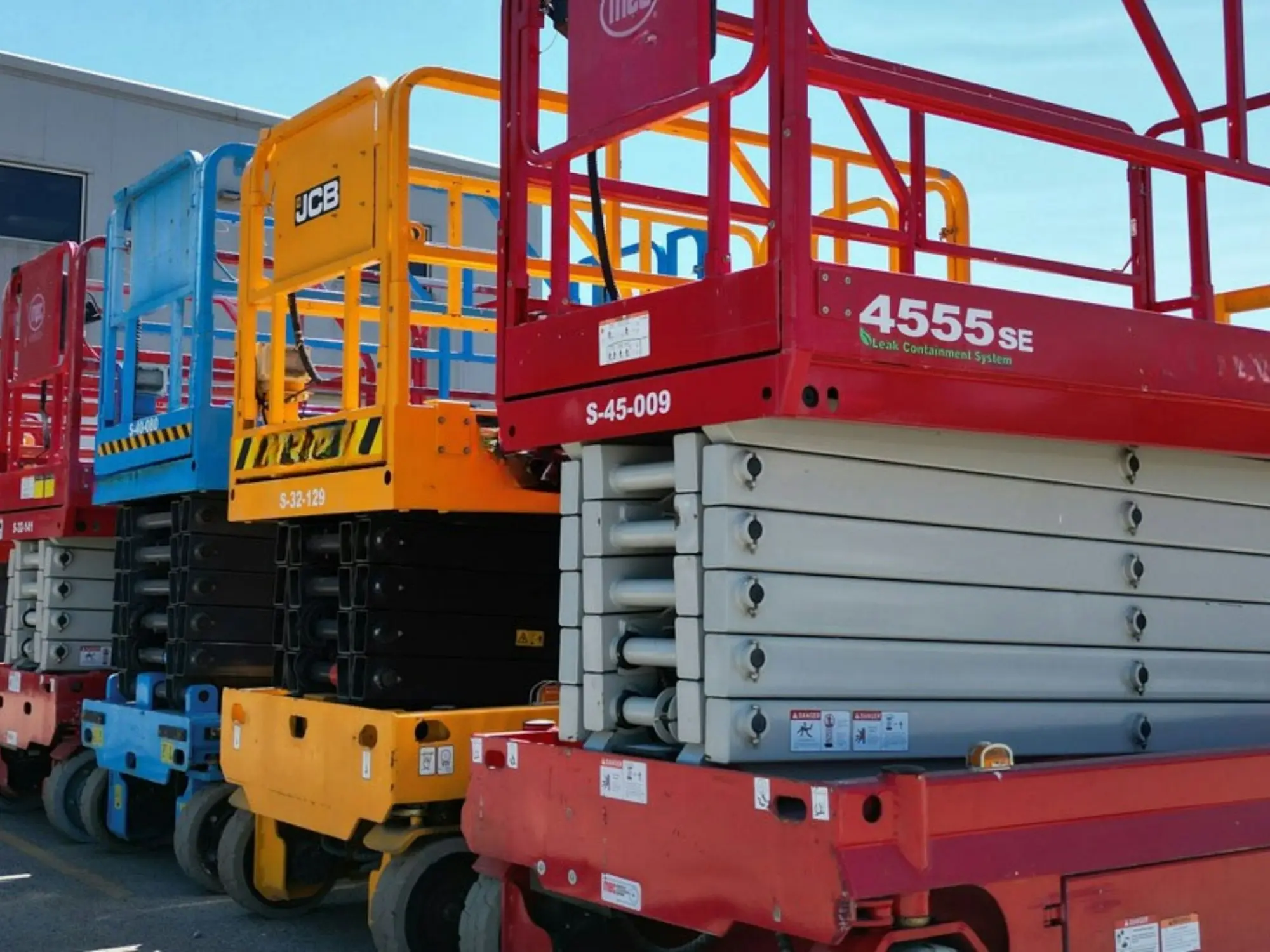
For painters who do multi-storey repaints, strata blocks, warehouses or commercial fit-outs, this is one of the bigger money decisions in the business. A rough way to think it through:
| Question | Points towards hiring | Points towards buying with finance |
|---|---|---|
| How often do you use a lift? | A few jobs a year | Most weeks |
| What size? | Large booms you only need occasionally | A scissor lift or compact boom that fits most of your work |
| Storage and transport | Nowhere to keep it, no suitable truck or trailer | Yard space and a way to move it |
| Servicing and inspections | You’d rather the hire firm handles it | You can budget for scheduled maintenance |
| Licensing | Your crew doesn’t hold the right ticket | Your operators are licensed |
Licensing is the detail painters sometimes miss. WorkSafe WA confirms that operating a boom-type elevating work platform with a boom length of 11 metres or more requires a high risk work licence, and the other states apply the same national licence class. Scissor lifts and smaller booms don’t need that licence, though the employer still has to train operators properly. If buying a larger boom means putting two staff through licensing, add that to the cost.
When buying does stack up, equipment finance is the natural fit, with the machine as security. Weigh it up with our guide on leasing versus buying equipment.
Which finance suits which painting problem?
Roughly in the order painters find them useful:
- A line of credit for weather and slow claims. Set it up while trading is strong, then draw on it when rain stops exterior work or a strata committee delays a payment. You only pay for what you draw. See business lines of credit.
- Vehicle finance for the work van. Painters commonly fund vehicles through a chattel mortgage or similar product, often including racking and signage.
- Equipment finance for lifts and spray rigs. Larger airless and HVLP spray systems and elevating platforms are worth financing over their working life.
- A short unsecured loan for a step up. Hiring a second crew, landing a commercial maintenance contract, or adding a line-marking or protective coatings arm.
- Property-secured lending for larger moves. Buying out a partner or acquiring another painting business. See secured business loans.
Wet month looming and wages to cover? Ask us about a facility built around your season. Enquiring leaves your credit history alone.
How do licensing rules show up in a loan application?
Lenders may ask for your licence details to confirm you can legally do the work you’re funding. Each state handles it its own way:
- NSW: according to NSW Fair Trading, a licence is needed for residential painting worth more than $5,000, counting both labour and materials, including GST.
- Queensland: painting and decorating is a QBCC licence class, and most building work above $3,300 needs a QBCC licence.
- Victoria: Consumer Affairs Victoria lists painting among the trades exempt from Building and Plumbing Commission registration, as long as painting is the only trade involved in the job. If you also do carpentry repairs or render work on the same contract, check whether registration applies.
For a Victorian painter, the lack of a registration number means a lender will lean more on ABN history, insurance and trading records to judge your business.
What makes painters’ cash flow seasonal?
Exterior work drops off in wet months, and in the southern states shorter winter days cut productive hours. Spring and the run to Christmas are typically the busiest time, with homeowners wanting their places finished before visitors arrive. Commercial and strata work tends to be more even, but approvals from owners corporations can take weeks.
Two habits help when you approach a lender:
- Know your quiet months. Twelve months of bank statements will show the pattern anyway, so explain it before you’re asked. Our page on loans for seasonal businesses covers how lenders treat it.
- Model your runway. Our cash runway calculator shows how long your reserves last if work slows for a month or two.
Example: a Newcastle painting company taking on strata work
A made-up scenario for illustration. A Newcastle painting company of six people mostly does residential repaints, paid within a fortnight of finishing. A strata manager offers them repaints for three walk-up blocks, worth about $210k across four months, paid by monthly progress claim with 5% held back until completion.
The owners hire a scissor lift most weeks already, and the strata work would add more. They finance a second-hand scissor lift and a trailer through equipment finance, and set up a $70k line of credit to cover wages and paint in the weeks before each claim is paid. Their bank was keen but wanted a mortgage over the family home; the non-bank option worked from twelve months of statements and their existing contracts.
Getting your painting business funded
A painting business rarely needs a huge loan. What it needs is finance shaped like the work: flexible enough for rain, quick enough for a strata committee, and sensible enough on repayments not to bite in July.
The enquiry is quick, about a minute from start to finish, and lodging it involves no credit search of any kind. One team handles it start to finish, and your number never gets passed around the industry. A specialist who knows trade businesses reads it and rings to discuss what you’re after. It helps if you’re precise about turnover, your mix of residential and commercial work and how much you’d like, because that is what lets us match a suitable product on our first attempt.
Frequently asked questions
Can a sole trader painter get a business loan?
Yes. Sole trader painters with six to twelve months of steady deposits into a business account can usually access small unsecured loans or vehicle finance. Lenders want to see that income is regular and that personal and business spending are reasonably separate.
Is it worth buying a boom lift or scissor lift for a painting business?
It depends on how many days a year you use one. If you hire a lift most weeks, finance repayments can come in below the annual hire bill, and the machine becomes an asset. If you need one a few times a year, hiring is usually cheaper and avoids storage, servicing and transport.
How do painters handle cash flow in wet weather?
The usual approach is a line of credit set up in a good month, then drawn on when rain stops exterior work. You pay interest only on what you use, and you clear it once jobs resume. Indoor work booked for winter helps too.
Do lenders care whether I paint houses or commercial buildings?
Yes. Residential repaints bring many small payments, often a deposit and a final balance within a few weeks. Commercial and strata work brings bigger invoices on longer terms, sometimes with retention. Lenders size and structure finance differently for each.
Will my bank lend to a painting business?
If you have two years of profitable trading, tidy BAS lodgements and some security, a bank is worth approaching first and is often the cheapest choice. Painters who are newer, have had a lumpy year or need money quickly often find non-bank lenders more flexible.