Quick answer
Equipment finance lets a business pay for machinery, vehicles or tools over time, with the asset itself as the lender's security. The lender pays the supplier, you make regular repayments, and at the end you own the item, return it or pay a final amount, depending on the structure. Chattel mortgage, hire purchase and leases are the main types.
Key points
- The equipment secures the loan, which is why approvals can be quicker and need less than an unsecured business loan
- Ownership at the start (chattel mortgage) and ownership at the end (hire purchase, finance lease) lead to different tax and cash-flow outcomes
- Lenders pay the supplier directly against an invoice, and register their interest on the PPSR
- A balloon or residual payment lowers repayments but leaves a lump sum to deal with at the end
- Total cost depends on term, fees and the final payment, so compare the full dollar amount, not just the repayment
A commercial oven dies on a Tuesday. A bakery owner gets three quotes by Thursday, the cheapest at $38k, and has about $9k in the bank. Waiting means no bread, so cash won’t fix it and a general business loan feels heavy for a one-off purchase. This is the situation equipment finance was built for: the oven becomes the security for its own funding, and the repayments run while the oven earns.
The mechanics are simple once you see them, but the structure you choose shapes your tax position, your cash flow and what you hold at the end.
What actually happens in an equipment finance deal?
In most deals the sequence is the same:
- Pick the item and ask the supplier for a written quote.
- Send that quote to a lender along with your business details and recent financials.
- The lender reviews the business and the machine, then issues an approval and contract.
- You sign, and the lender pays the supplier directly.
- Delivery happens and your instalments begin.
- The lender lodges its security interest on the Personal Property Securities Register.
- When the term ends, you settle up in the way the contract allows.
The key idea is that the lender’s risk is covered by something it can repossess and sell. That is why lenders often need less than for unsecured lending, and why the asset’s quality matters as much as your accounts. The wider product is covered on our equipment finance page.
What are the main structures?
| Structure | Owner while repaying | Outcome at term end | Typical fit |
|---|---|---|---|
| Chattel mortgage | You, straight away | Yours once any final payment is made | Businesses wanting ownership and GST/depreciation benefits |
| Hire purchase | The financier, until you pay off the balance | Title transfers to you | Cash-flow smoothing, no GST credit up front |
| Finance lease | The financier | Return, extend, or buy at residual | Assets you want to use more than own |
| Operating lease | The lessor throughout | Return or renew | Technology and equipment that dates quickly |
Our guide to chattel mortgages goes through the most common structure in detail, and leasing versus buying business equipment helps with the decision between leasing and owning.
What do lenders check before approving?
Equipment lenders look at two things together: the business and the asset.
The business
- How long you have traded and whether there is an ABN and, for companies, ACN.
- Turnover and profit, usually through recent financials, BAS or bank statements.
- Existing commitments and credit conduct.
- Whether directors will give personal guarantees.
The asset
- New or used, age and condition.
- Supplier credibility and the invoice.
- Whether it has a serial number and can be registered.
- Resale market: could the lender sell it if needed?
- Whether it is fixed to a building, which raises ownership questions.
Smaller deals may be assessed quickly on a light documents pack, while larger ones need more. Our piece on what lenders look for in an application applies here as well.
How does the PPSR fit in?
Since 2012, the lender records its security interest over equipment on the PPSR, an official national register. Serial-numbered goods, such as many vehicles, are identified by serial number, while other items are identified by details about you as the owner or grantor. The PPSR site explains the difference in how they are searched.
For you, the practical points are these: the lender will register against your asset, a later buyer checking the register can see it, and you shouldn’t sell the item without sorting out the lender’s interest first. See the glossary entry on the PPSR for more.
What does it really cost?
Rates change, so we won’t quote any. Think in total dollars. The main elements are:
- Repayments over the term, set by amount, term and any final payment.
- Establishment and documentation fees, and sometimes monthly account fees.
- Early termination costs if you pay out early.
- Balloon or residual payment, if you chose one.
- GST treatment, which differs by structure.
A balloon lowers each repayment because part of the price waits until the end. That helps cash flow, but means a lump sum due, which you can pay, refinance or settle by selling the asset. Read the pros and cons of balloon payments before deciding.
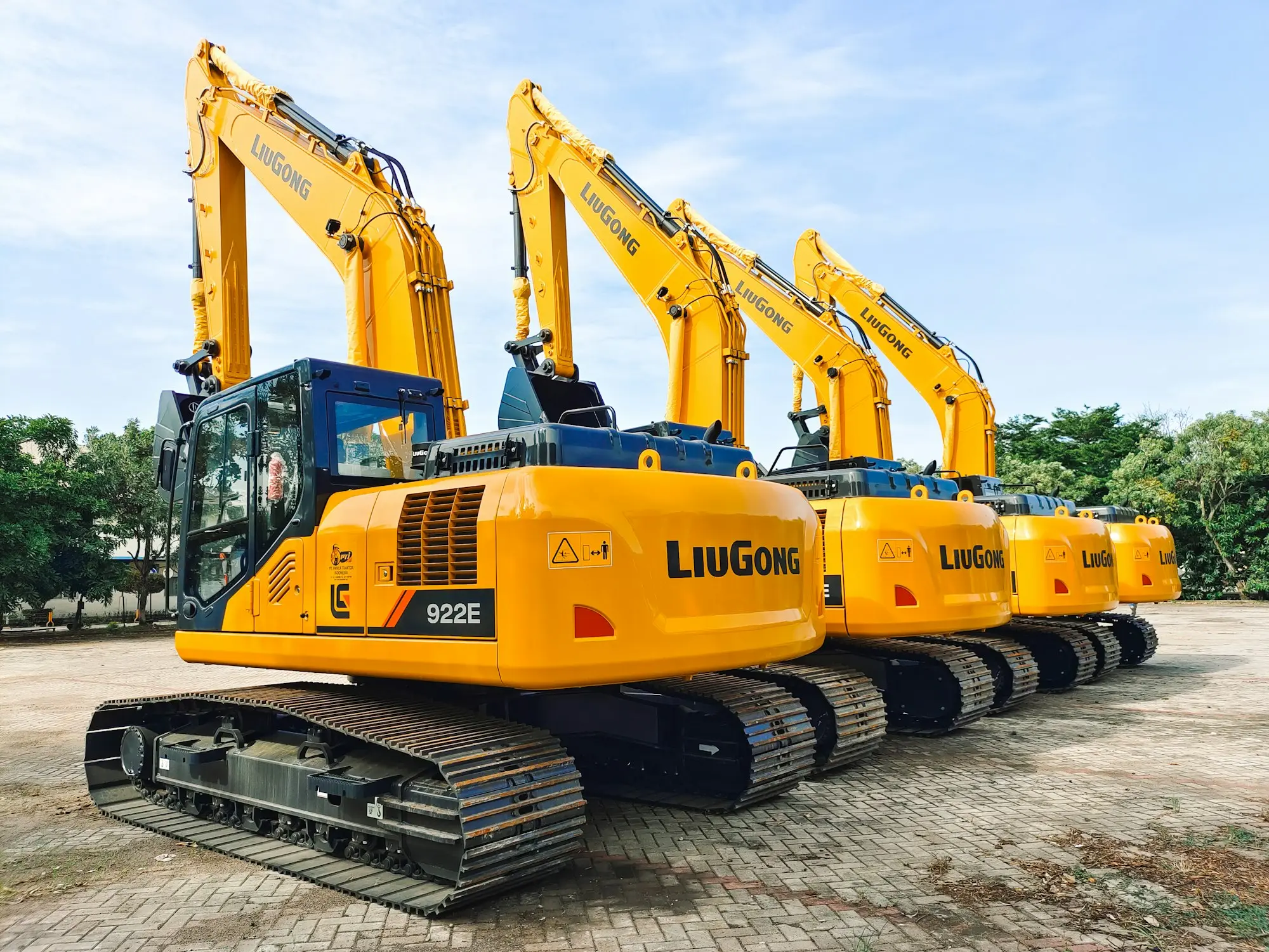
A worked example, with invented figures. A $60k excavator on a five-year term with no balloon could cost somewhere around $70k to $75k in total repayments once interest and fees are included, depending on the lender. With a 30 per cent balloon, the monthly amounts shrink, the total cost rises somewhat, and a lump sum of about $18k is due in year five. Try your own numbers in the equipment finance calculator.
If you’d like a lender’s view on a particular quote, the enquiry form is a one-minute step.
How does tax come into it?
Tax treatment depends on your structure, your business and the asset, so speak with your accountant before signing. Three points come up often:
- GST. Under a chattel mortgage, a registered business can normally recover the GST included in the price through its following BAS. On passenger cars there is a ceiling: one-eleventh of the ATO car limit. The ATO’s published limit for 2026-27 is $69,883, so the most you can recover is $6,353. Look up the limit for the year you actually buy.
- Depreciation. For assets you own for tax purposes, deductions follow the depreciation rules, including instant asset write-off thresholds that apply for eligible small businesses. The ATO has published a $20,000 per-asset threshold for 2025-26 first use. Settings beyond that year may change, so confirm the rule that applies on your purchase date.
- Business use. Only the business-use share of a mixed-use asset is deductible.
What mistakes should I avoid?
- Choosing on repayment alone. A low repayment may hide a large final payment.
- Ignoring the term versus asset life. Don’t finance a laptop over five years.
- Not reading early-exit terms. You may need to upgrade sooner than planned.
- Accepting the supplier’s finance without comparing. It can be competitive, but it’s worth one comparison.
- Skipping insurance. The lender will insist the item is covered and will want its name on the policy.
- A missing serial number on the invoice, which holds up registration.
What if my bank says no, or I’m starting out?
A bank is often a strong source of equipment funding for an established business with clean accounts, and when you meet their criteria the offer deserves serious attention. If you have been declined, the reasons are often about age of business, asset type or paperwork, not the quality of the plan. A newer business should read our guide to equipment finance for new businesses, which covers deposits, guarantees and what else can help.
Ready to put a quote through?
Got a quote on the desk, or a machine you’re still weighing up? Send it through. The form is a minute’s work, and nobody pulls your credit file when you ask, so your score stays put.
There’s no mass mailing of your information to lenders here. One of our people reads what you’ve written, considers the asset and the business together, and phones to discuss which structure fits. Be exact about the price, the age of the machine and your trading time, and the first suggestion is far more likely to be the right one.
Frequently asked questions
Do I need a deposit for equipment finance?
Not always. Many lenders fund the full price of new equipment from established businesses, while newer businesses, used equipment or weaker credit histories may need a deposit. A deposit can lower repayments and is often the quickest way to turn a borderline approval into a clean one.
What can be financed?
Most hard assets with a resale market: trucks, vans, utes, excavators, forklifts, kitchen equipment, medical and dental machines, printing presses, farm machinery, and some technology. Lenders are cautious about items that lose value fast, are hard to resell, or can't be identified by serial number.
Who owns the equipment during the loan?
It depends on the structure. With a chattel mortgage you own it from day one and the lender holds a registered security interest. With hire purchase or a finance lease, the financier typically owns it until the end. An operating lease means the lessor owns it throughout.
Can I finance used equipment?
Yes, with conditions. Lenders may cap the age of the asset at the end of the term, ask for an inspection or valuation, and want serial numbers that can be registered on the PPSR. Buying through a dealer is generally easier than buying privately, though private sales are financed too.
How quickly can equipment finance be approved?
Straightforward deals with a clear supplier invoice can be approved quickly, sometimes within a day or two, once the documents are in. Complex or used assets, or applications with gaps in paperwork, take longer. Speed mostly depends on how complete your pack is.
What happens if I want to sell the equipment before the loan ends?
You normally need the lender's consent and must pay out the remaining balance, which may include early termination costs. Plan for this: if you expect to upgrade within a few years, choose a structure and term that makes that easy.