Quick answer
A sole trader is an individual who runs a business in their own name, using their own ABN, with no company or trust in between. It's Australia's simplest and cheapest business structure. The owner reports business income in their personal tax return and is personally responsible for every business debt, which is why lenders assess a sole trader's personal credit, assets and commitments alongside the business's trading.
Key points
- The business and the owner are legally the same person, so liability for debts is unlimited
- Business profit is taxed as personal income through the individual tax return
- GST registration becomes compulsory once turnover reaches $75,000 a year
- Lenders read the owner's personal tax returns and credit file as the business's own
Plenty of Australian businesses never get more complicated than one person, one ABN and a ute. That’s a sole trader: an individual in business on their own account. There’s no company to register, no trust deed, no separate tax return for the business. You are the business, legally and financially.
Sole trader vs company at a glance
| Sole trader | Company | |
|---|---|---|
| Legal identity | Same as the owner | Separate legal entity with an ACN |
| Liability for debts | Unlimited; personal assets exposed | Generally limited to the company, unless directors guarantee |
| Tax | Owner’s individual rates via personal return | Company rate via company return |
| Setup and running cost | Low | Higher: ASIC fees, extra accounting |
| What lenders read | Personal returns, notices of assessment, personal credit file | Company financials, director credit files, guarantees |
A sole trader can still employ staff, register a business name and trade nationally. The structure only limits how the business is owned, not how big it can grow, though many owners move to a company or trust once profits rise.
How lenders view sole traders
Because there’s no separation between person and business, lenders assess them together. Expect to provide:
- Personal tax returns with matching ATO notices of assessment; banks commonly want two years
- Business bank statements, which fintech and non-bank lenders lean on heavily
- BAS, if registered for GST, which helps confirm turnover between returns
- A list of personal debts like home loan, car finance and credit card limits
The upside is simplicity: one credit file, one set of returns. The catch is that a personal default, a large car loan or an overdue personal tax bill feeds straight into the business assessment. Mixed spending in one account also clouds the picture, which is why a dedicated business account pays for itself at application time.
Thinking about borrowing as a sole trader? Outline your plans in our short form.
A worked example
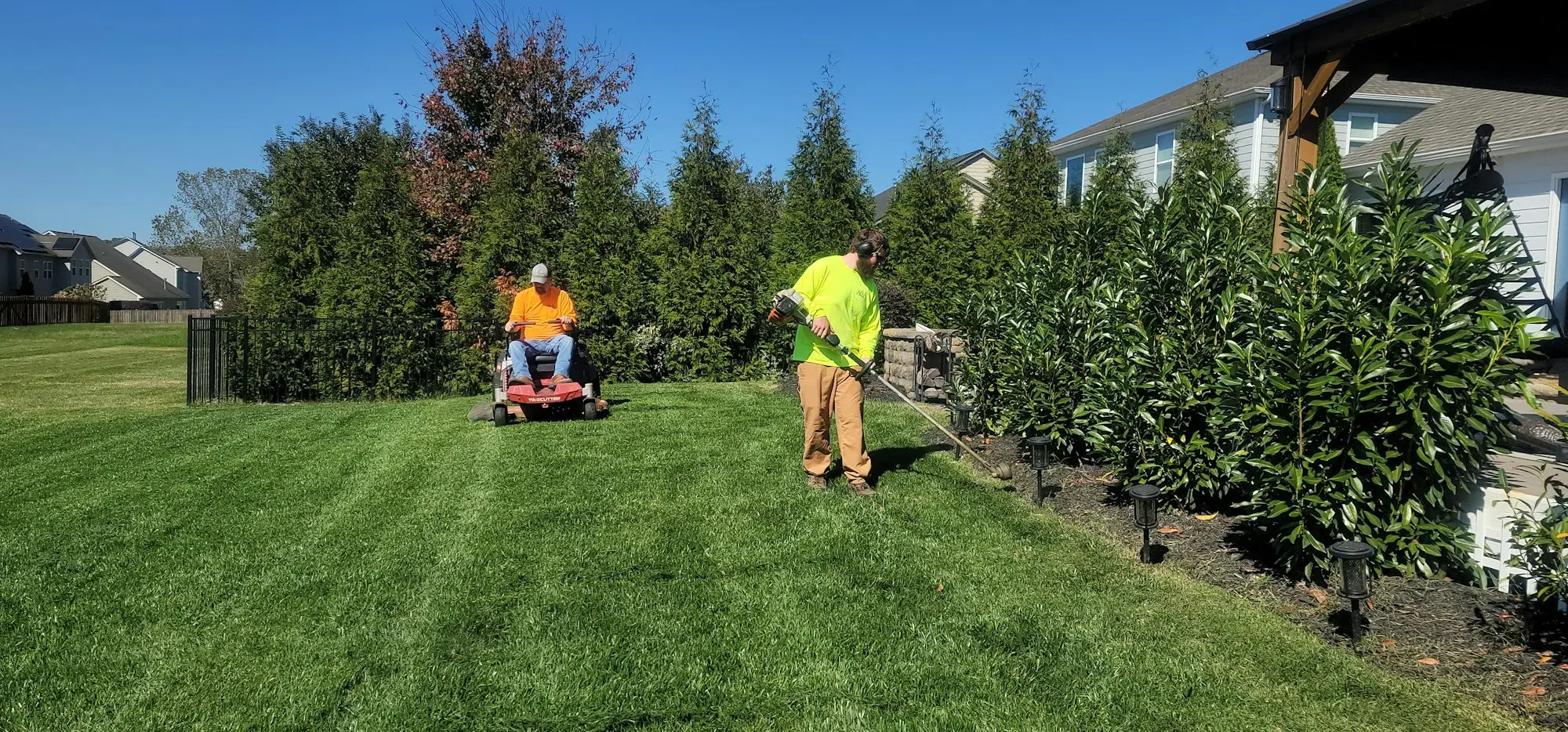
Mia, a Sunshine Coast sole trader, runs a lawn and garden maintenance round. Her latest tax return shows $118k of business income and $71k net profit. She wants $45k for a new ride-on mower and trailer.
A bank would add up her net profit, subtract her share of the home loan repayments and her existing car finance, and check the new equipment repayments fit inside what’s left. An equipment financier might focus more on the mower itself as security and her twelve months of bank deposits. Both treat her personal commitments as business commitments, because legally they are.
If Mia’s income had only recently grown, or her return were a year behind, a low doc business loan using bank statements or an accountant’s declaration could fill the gap. Our page on sole trader business loans compares the main options in more detail, and the company vs sole trader for borrowing guide looks at when changing structure makes sense.
Related terms
- Partnership: two or more people in business together, sharing liability
- Personal guarantee: what company directors sign instead of being directly liable
- Tax return: the core income document for a sole trader loan
- Bankruptcy: the personal insolvency process that applies to sole traders
Ready to fund the next step on your own terms?
Sole traders often wear every hat in the business, so a straightforward process matters. Our enquiry asks a few questions about what you do and what you need, and takes around a minute. You won’t leave a credit enquiry behind by sending it, and we don’t hand your name around a crowd of funders. Someone on our team, not a bot, reads what you wrote and phones you. Give us honest figures for income and personal debts, since those are what a lender will test, so our first suggestion has a real chance of fitting.
Frequently asked questions
Can a sole trader get a business loan?
Yes. Banks, non-banks and fintech lenders all lend to sole traders. Most want an active ABN, often for at least six to twelve months, plus personal tax returns or business bank statements showing steady income. Property owners can also borrow against their real estate for business purposes.
Do sole traders need to give a personal guarantee?
Usually not, because there's no separate entity to guarantee. The sole trader borrows personally and is already fully liable. If a spouse or relative is asked to support the loan, they may be asked to guarantee it or offer property as security.
Does a sole trader need a separate business bank account?
It isn't a legal requirement, but it's strongly recommended. Lenders that assess bank statements find it much easier to read a dedicated business account, and mixed personal and business spending can make income look lower or harder to verify.
Is it harder to borrow as a sole trader than as a company?
Not necessarily. The assessment is simpler in some ways, since there's only one set of tax returns and no company accounts. The main difference is that personal debts such as a home loan and car finance count directly against serviceability.
What happens to business debts if a sole trader can't pay?
The creditor can pursue the owner personally, including their personal assets. Unpaid debts of $10,000 or more can lead to a bankruptcy notice, which is the individual equivalent of a statutory demand on a company.